
















Welcome to the world of catfishing! If you’re a beginner eager to embark on your first fishing adventure, catfish may just be the perfect targets for your line. Known not only for their delicious taste but also for their thrilling fight when hooked, catfish fishing can be both rewarding and enjoyable.
Understanding the Basics of Catfish
Catfish are diverse freshwater fish species found in rivers, lakes, and streams across the globe. With over 3,000 species, the most popular ones for anglers include the Channel Catfish, Blue Catfish, and Flathead Catfish. Their unique characteristics make them appealing targets for both new and experienced fishermen.
Species Overview
- Channel Catfish: Recognized by their forked tails and deep bodies, these catfish typically weigh between 5-20 pounds.
- Blue Catfish: This species can grow significantly larger, with some specimens exceeding 100 pounds! They’re identifiable by their blue-gray color and long, forked tails.
- Flathead Catfish: Known for their flat heads and yellowish color, flatheads can also reach substantial sizes, averaging between 10-50 pounds.
Choosing the Right Equipment
Successful catfishing begins with the right gear. Here’s what you need to set yourself up for success.
Rods and Reels
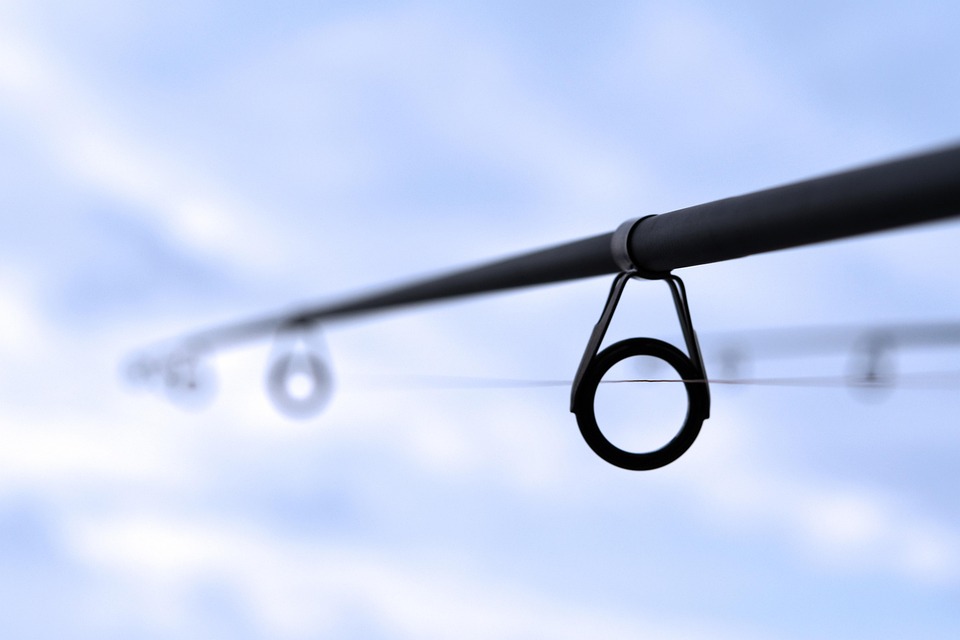
For catfishing, a heavy-action rod is ideal. A 6-7 foot rod provides excellent leverage for fighting larger fish. Pair this with a reel that has a high drag system and a line capacity of at least 200-300 yards.
Lines and Hooks
When it comes to line, consider using a braided line (20-30 lb test) for its strength and durability. As for hooks, circle hooks (size 4/0 to 10/0) work wonderfully, allowing for better hook sets with minimal gut hooking.
Terminal Tackle
You will need sinkers to keep your bait submerged. Slip sinkers or egg sinkers are excellent choices, as they allow the catfish to take the bait without feeling resistance.
Baiting for Catfish
Choosing the right bait can make all the difference. Catfish are opportunistic feeders, often drawn to strong scents. Here are some popular bait options:
- Live bait: Nightcrawlers, shad, and minnows are often irresistible to catfish.
- Cut bait: Freshly cut chunks of fish, chicken liver, and even dough balls can yield good results.
- Store-bought bait: Commercial catfish bait is also available in various scents and flavors, specifically designed for attracting catfish.
Selecting the Right Fishing Location
Now that you’ve got the gear and bait ready, the next step is finding where to fish. Catfish can often be found in:
- Slow-moving pools or eddies behind rocks and vegetation.
- Near the mouths of rivers and streams that feed into larger bodies of water.
- Along the shoreline in shallow waters, particularly during spawning season.
Best Times to Fish for Catfish
Catfish are typically more active after sunset and during the night, making evening and nighttime fishing prime opportunities. However, they also bite well during the early morning hours, especially in warmer months. Seasonal changes affect catfish activity, so keep this in mind when planning your trips.
Techniques for Catching Catfish
Catfishing can be performed using various methods. Each technique has its advantages, depending on your location and preference.
Bottom Fishing
Bottom fishing is one of the most common methods for catching catfish. Simply cast your baited line to the desired depth and wait for the fish to bite. This method is especially useful in rivers and lakes where catfish tend to lurk near the bottom.
Drift Fishing
Drifting involves slowly moving your bait downstream while maintaining a tight line. This technique allows you to cover more water, giving you a better chance of finding active catfish.
Jug Fishing
This method utilizes floats (jugs) suspended with bait. You can set multiple jugs out along key areas and check back periodically. Jug fishing is especially effective for larger catfish, making it a thrilling option for beginners!
Outsmarting the Catfish
Patience and observation are essential in outsmarting catfish. Watch for signs of activity, such as jumping fish and surface disturbances. Adjust your bait and location accordingly. Using scent attractants or bait sprays can also enhance your chances of success.
Catching and Handling Catfish
Once you feel a tug on your line, it’s time to reel in your catch. Here are some tips to ensure a successful landing:
- Wait for a strong pull before setting the hook, especially when using circle hooks.
- Keep the line taut, but avoid reeling in too quickly to prevent breaking the line.
- Wear gloves when handling catfish; their skin can be slimy and they may have sharp spines on their fins.
Cleaning and Cooking Your Catfish
Once you’ve successfully caught your catfish, you’ll want to clean it for cooking. Follow these steps:
Cleaning the Catfish
- Rinse the catfish in clean water.
- Cut through the skin at the base of the head and peel it back.
- Remove the entrails and rinse the cavity thoroughly.
Cooking Methods
Catfish can be prepared in numerous ways, including frying, grilling, baking, or even smoking. Here’s a simple and delicious frying recipe:
Fried Catfish
- Dredge cleaned catfish fillets in seasoned cornmeal.
- Heat oil in a frying pan over medium-high heat.
- Fry the fillets for about 3-5 minutes per side until golden brown.
- Serve with tartar sauce, lemon, and a side of coleslaw!
Conclusion
Catfishing is a rewarding and enjoyable activity that can be easily mastered by beginners. By using the right equipment, bait, and techniques, you can significantly increase your chances of landing your first catfish. Whether you’re fishing with friends or soaking in the tranquility of nature, your catfishing journey will surely be filled with precious moments. So grab your gear, find a good spot, and cast that line!
FAQs
1. What is the best time of year to catch catfish?
The best time for catfishing is during the warmer months, particularly late spring through early fall. However, catfish can be caught year-round, especially by using the right methods and baits.
2. Do catfish bite during the day?
While catfish are often more active at night, they can and do bite during the day, especially in the early morning and late afternoon. In deeper waters, they may remain active even during bright sunlight.
3. Should I release all catfish I catch?
This depends on the regulations of the area you’re fishing and your personal choice. It’s good practice to check local fishing regulations regarding size and bag limits. If you’re fishing for food, ensure it’s safe and legal to keep.
4. Are there any safety concerns when catfishing?
Yes, always practice safety when fishing near water bodies. Watch out for slippery banks, and wear a life jacket if you’re fishing from a boat. Also, handle catfish carefully due to their sharp spines.
- beginner bass fishing
- beginner carp fishing
- beginner catfish fishing
- beginner fishing advice
- beginner fishing baits
- beginner fishing gear
- beginner fishing guides
- beginner fishing guides online
- beginner fishing knots
- beginner fishing lures
- beginner fishing mistakes
- beginner fishing reels
- beginner fishing rods
- beginner fishing strategies
- beginner fishing techniques
- beginner fishing tips
- beginner fishing trips
- beginner fishing tutorials
- beginner fishing videos
- beginner fly fishing
- beginner freshwater fishing
- beginner muskie fishing
- beginner panfish fishing
- beginner pike fishing
- beginner saltwater fishing
- beginner trout fishing
- fishing basics
- fishing for beginners
- how to fish
- new anglers tips
















Leave a comment