





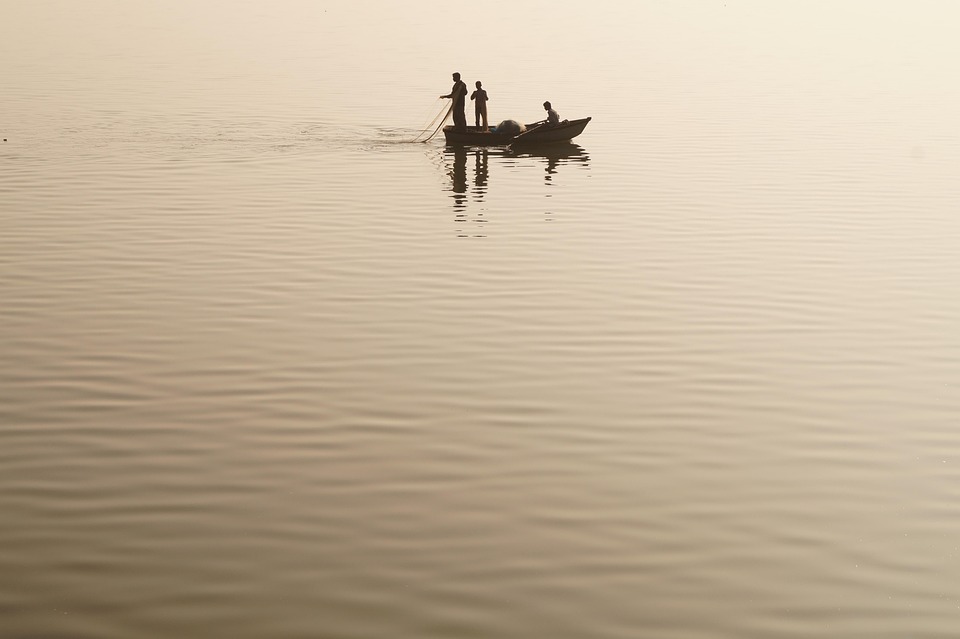



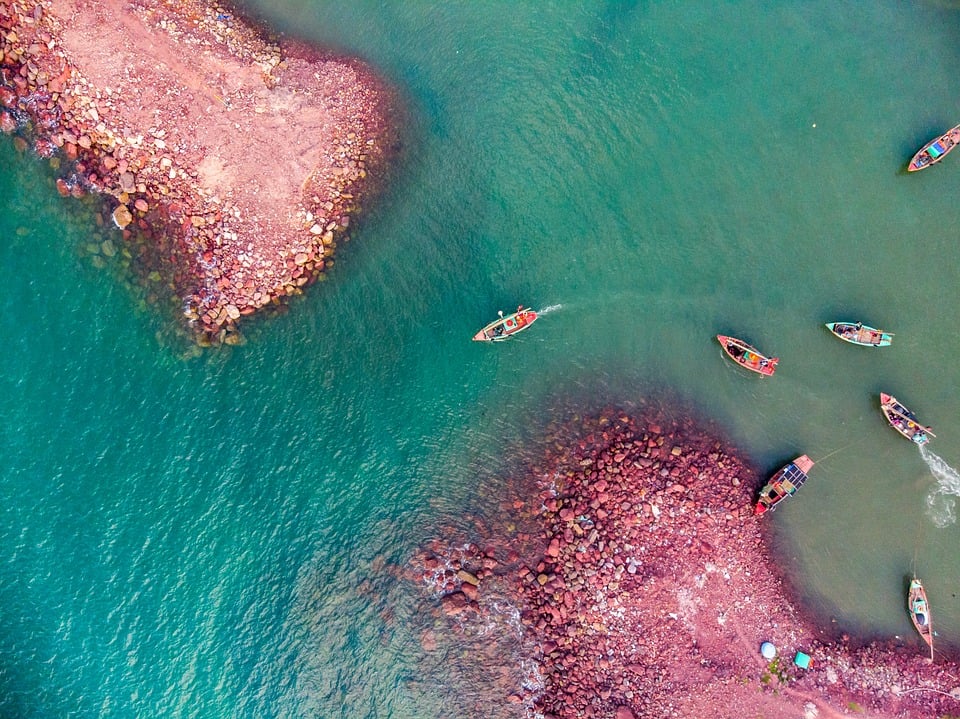
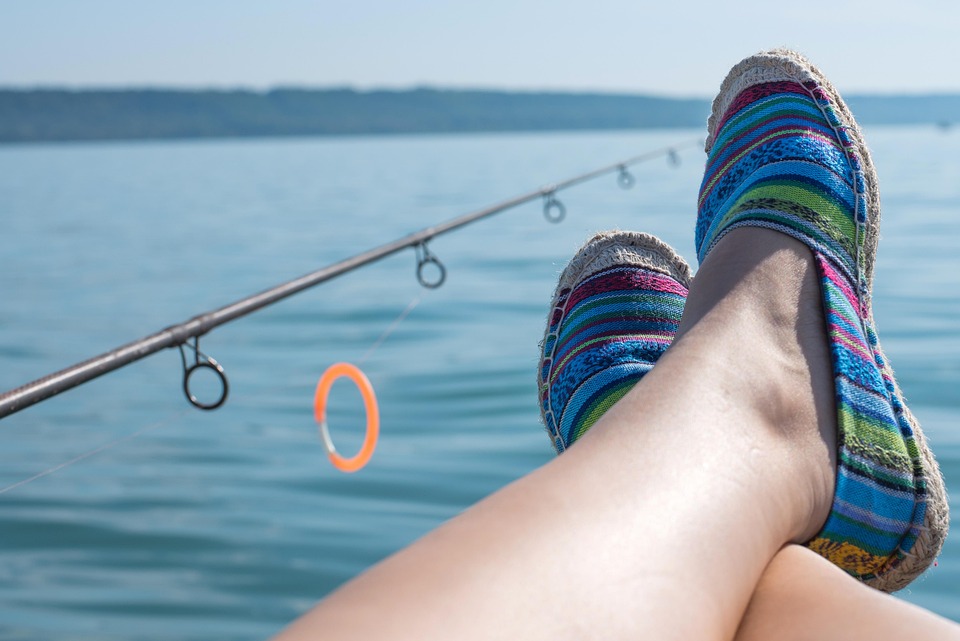

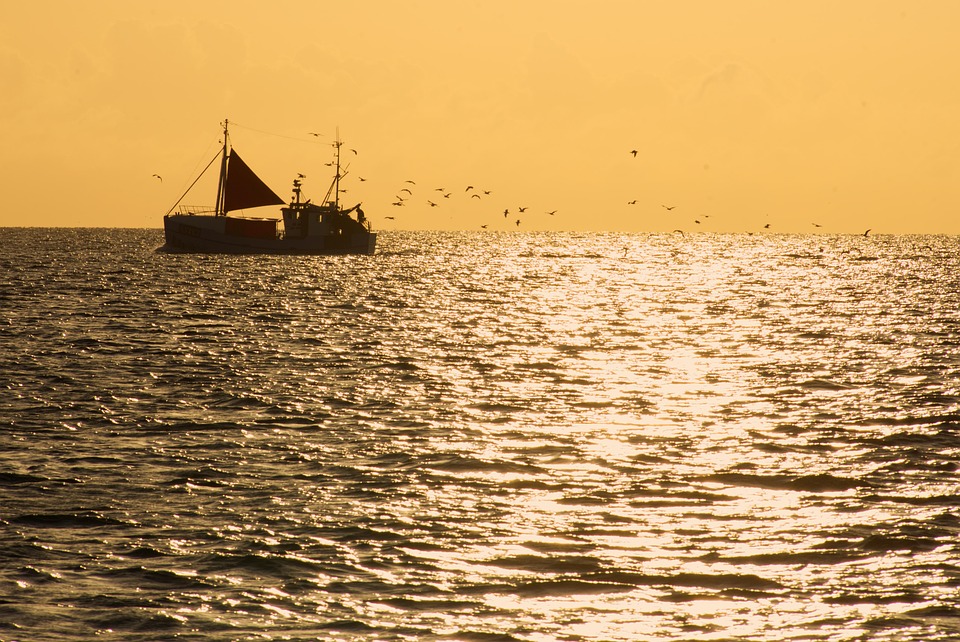
Fishing is not just a hobby; it’s an experience that connects you with nature, offers relaxation, and challenges your skills. Whether you are a complete novice or a seasoned pro, learning the basics of fishing can greatly enhance your enjoyment and success on the water. In this feature article, we will explore the essential components that every angler needs to know, covering everything from choosing your gear to understanding fishing regulations.
Getting Started: The Essential Gear
Before you cast your line, you need to gather the right equipment. Don’t be overwhelmed—let’s break it down into parts:
1. Rod and Reel
The rod and reel combo is the heart of your fishing setup. Here are a few key points to keep in mind:
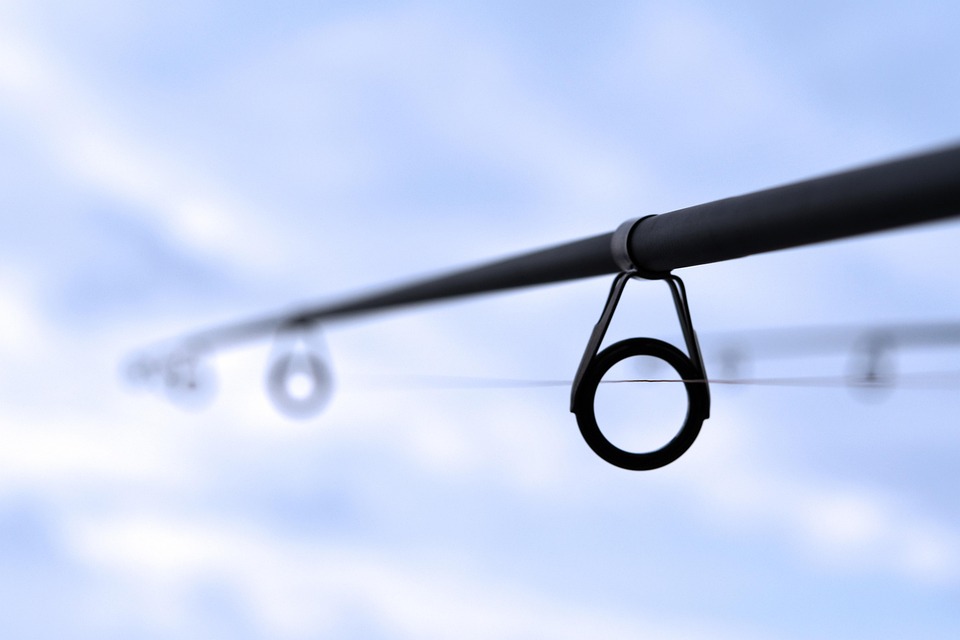
- Rod Length: For beginners, a 6 to 7-foot rod is ideal for freshwater fishing.
- Reel Type: Spin reels are user-friendly and great for beginners.
- Combination: Most stores offer spinning combos that include both the rod and reel at a reasonable price.
2. Fishing Line
Your fishing line is crucial as it connects you to the fish. Common types include:
- Monofilament: Versatile and forgiving, ideal for beginners.
- Braid: Strong and thin, great for heavy cover fishing.
- Fluorocarbon: Nearly invisible underwater, helps improve bite rates.
For beginners, a 10-20 lb monofilament line works well in a variety of situations.
3. Hooks and Baits
It’s time to get the fish’s attention! You can choose from a wide range of hooks and baits:
- Hooks: Size matters! A #6 to #10 hook is typically suitable for panfish, whereas larger hooks (#1 to 2/0) work for bass and catfish.
- Baits: Beginners may prefer using live baits like worms or minnows, as they are often more enticing to fish.
Finding the Right Spot
Now that you have your gear, the next step is locating the best fishing spots:
1. Freshwater Locations
Popular spots include:
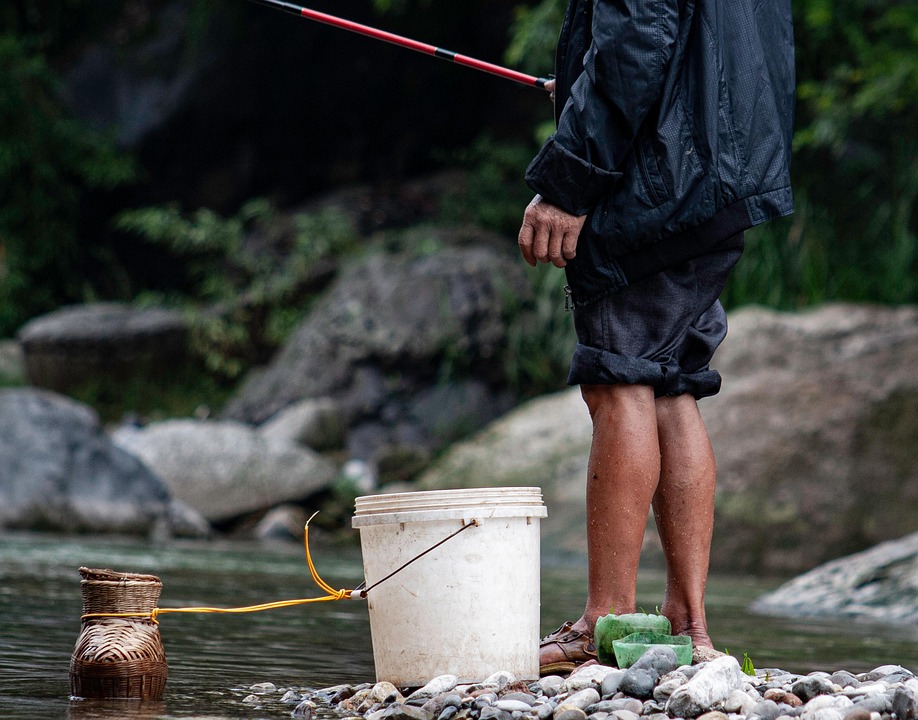
- Lakes and ponds
- Rivers and streams
2. Saltwater Locations
For saltwater fishing, consider:
- Coastal beaches
- Marinas
- Reefs
3. Seasonal Considerations
Fish are more active at certain times of the year, particularly during spring and fall. Weather also plays a role; overcast days can enhance fishing success.
Fishing Techniques: Cast, Retrieve, and Repeat
Understanding various fishing techniques can significantly impact your success:
1. Casting Techniques
Practice your casting skills; a good cast can increase your chance of catching fish. The most common types are:
- Overhead Cast: The basic cast for most anglers.
- Sidearm Cast: Useful in trees or under low structures.
2. Retrieval Techniques
Once your bait is in the water, it’s crucial to know how to retrieve it:
- Slow Retrieve: Good for enticing slower fish.
- Jigging: Move your bait up and down to mimic injured prey.
3. Patience and Observation
Patience is key in fishing. Observe the water for signs of fish activity, such as jumping or splashing.
Know the Rules: Fishing Regulations
Each state has its own regulations regarding fishing that are designed to protect fish populations and habitats. Here are some common components to consider:
- Fishing Licenses: Most states require anglers to have a fishing license, which can often be purchased online or at local sporting goods stores.
- Catch Limits: Regulations often specify the number and size of fish you can keep.
- Seasonal Restrictions: Some fish have specific seasons when they can be legally fished.
It is essential to research your local regulations before heading out.
The Environmental Angle: Promoting Conservation
Caring for the environment is crucial for sustaining fishing as a pastime. Responsible fishing techniques include:
- Catch and Release: Properly releasing fish back into the water can help maintain fish populations.
- No Littering: Always take your trash with you to maintain clean waters.
- Use Conservation Techniques: Such as using barbless hooks to reduce harm to fish.
As an angler, you have a responsibility to protect the natural resources that make fishing enjoyable for everyone.
Conclusion
Starting your angling adventure can be as simple as understanding the fundamentals of fishing. By investing time in learning about the right equipment, fishing locations, techniques, and regulations, you can enhance your fishing experience. Remember that fishing is not just about catching fish; it’s also about enjoying nature, developing skills, and creating memories. So grab your rod, find a peaceful spot, and embark on an adventure that you will cherish for years to come.
FAQs
1. Do I need a fishing license?
Yes, a fishing license is required in most states. Check your local regulations for details on obtaining a license.
2. What is the best time of day to fish?
Early mornings and late afternoons are often the most productive times to fish as fish are more active during these hours.
3. Can I use my own bait?
Yes, you can use your own bait, but be sure it complies with local regulations. Common options include worms, minnows, or artificial lures.
4. What should I do if I catch a fish?
If you plan to keep it, check local regulations for size and quantity limits. If you are practicing catch-and-release, handle the fish gently and return it to the water as quickly as possible.
5. Are there any fishing ethics I should be aware of?
Yes, always practice respect for nature by following local regulations, cleaning up after yourself, and treating wildlife with care.
- beginner bass fishing
- beginner carp fishing
- beginner catfish fishing
- beginner fishing advice
- beginner fishing baits
- beginner fishing gear
- beginner fishing guides
- beginner fishing guides online
- beginner fishing knots
- beginner fishing lures
- beginner fishing mistakes
- beginner fishing reels
- beginner fishing rods
- beginner fishing strategies
- beginner fishing techniques
- beginner fishing tips
- beginner fishing trips
- beginner fishing tutorials
- beginner fishing videos
- beginner fly fishing
- beginner freshwater fishing
- beginner muskie fishing
- beginner panfish fishing
- beginner pike fishing
- beginner saltwater fishing
- beginner trout fishing
- fishing basics
- fishing for beginners
- how to fish
- new anglers tips









Leave a comment