








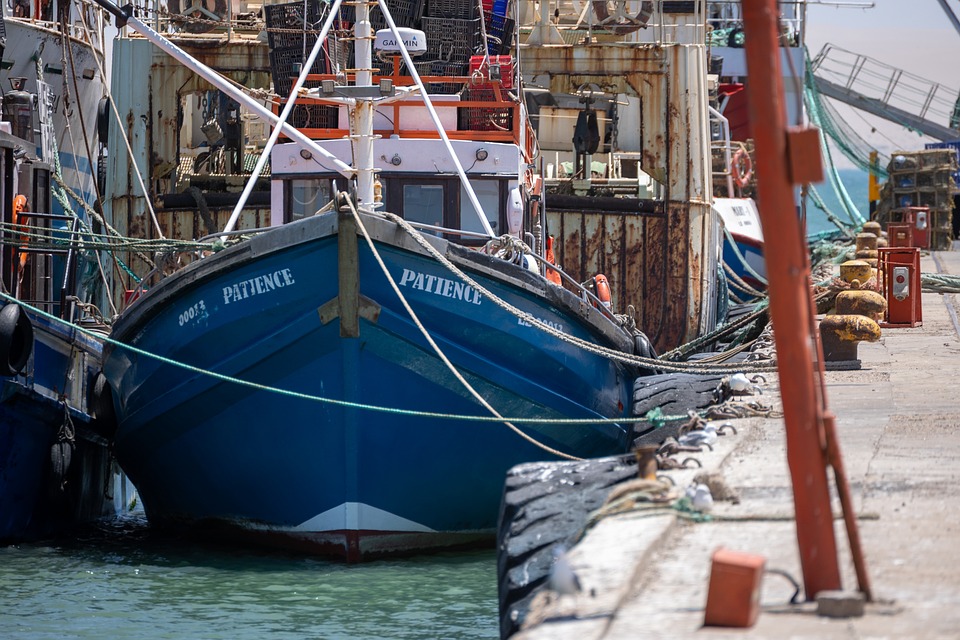
The excitement of fishing lies in the chase—the adrenaline rush of reeling in a fighter of the deep. For anglers, aggressive fish species present a unique challenge and an exhilarating experience. From the mighty Marlin to the feisty Barracuda, situations abound where careful strategy and skill can lead to thrilling catches. This article aims to unveil some of the best spots around the globe for chasing aggressive fish, providing a tapestry of locations, strategies, and insights tailored to exploit these ferocious aquatic adversaries.
Understanding Aggressive Fish Species
Aggressive fish are often characterized by their territorial behavior and predatory instincts. Species like the Tarpon, Pike, and Mahi-Mahi not only challenge anglers with their strength but also captivate them with their unique behaviors. Understanding a fish species’ habits, preferred environments, and feeding patterns can significantly enhance the likelihood of a successful catch.
For instance, Tarpon are known for their acrobatics and can leap several feet out of the water when hooked, making them a dream catch for many anglers. They thrive in warm coastal waters and are often found in estuaries and bays, especially during their migration seasons.
Top Locations for Aggressive Fish Fishing
1. Florida Keys, USA
Warm ocean waters, coral reefs, and vast mangroves make the Florida Keys an unparalleled fishing destination. Experienced anglers flock here for its diverse aggressive fish species, including Mahi-Mahi, Sailfish, and Tarpon. The waters surrounding Key West are especially popular due to the presence of the famous “Hump,” a deep-water reef known for its abundance of aggressive game fish.
The best time to visit is from late spring to early fall for maximum success. Fish here are often lured using live bait such as mullet or pilchards, which attract the larger predatory species lurking beneath the surface.
2. Amazon River Basin, Brazil
The Amazon River is home to some of the fiercest freshwater fish in the world. The legendary Piranha and the formidable Peacocks Bass are known for their aggressive behavior, drawing thrill-seekers into the jungle. Fishing in this biodiverse region can offer unique challenges, and due to limited fishing pressure, many areas remain untouched.
Late summer to early fall offers the best fishing, as the water levels recede, concentrating fish populations in smaller bodies. Anglers typically use topwater lures to incite aggressive strikes from Peacocks and can experiment with jigs and spoons for Piranha.
3. Baja California, Mexico
For those chasing saltwater fish, Baja California offers abundant opportunities for aggressive species such as Yellowfin Tuna, Wahoo, and Dorado. The clear waters of the Sea of Cortez provide a stunning backdrop for fishing adventures, while the nutrient-rich waters support thriving fish populations.
The prime months for fishing in Baja span from June to October, with June representing the peak for Yellowfin Tuna and Dorado. Anglers often utilize trolling techniques combined with live bait for the best chances of hooking these aggressive species.
4. Seychelles Islands, Indian Ocean
With unparalleled beauty and diverse ecosystems, Seychelles has become a favored spot for game fishing enthusiasts chasing species like Giant Trevally and Bonefish. Known for their tenacity and speed, these species provide thrilling fights that leave anglers breathless.
The fishing season here runs from October to May, with the best spots located around the outer reefs and atolls. Fly fishing is immensely popular in Seychelles, particularly when targeting Bonefish, which require stealth and technique to catch.
5. Cairns, Australia
Renowned for its big-game fishing, Cairns is famous for the annual Black Marlin competition. The region’s deep waters attract large populations of Marlin, making it a prime destination for avid anglers. The sheer size of these fish is a testament to the thrill of the chase: they can weigh over 1,000 pounds.
The fishing season extends from September to December when these predator fish migrate along the Great Barrier Reef. Skeptics can employ both trolling and live baiting techniques to entice Marlin, ensuring an electrifying experience.
Fishing Techniques for Aggressive Fish
When targeting aggressive fish, the right technique can make all the difference. Here are some strategies to improve your chances:
1. Trolling
Trolling is often the go-to method for chasing large pelagic species in open waters. By dragging lures or live bait behind a moving boat, anglers can cover vast areas and attract predatory fish that hunt for moving prey.
2. Casting
For freshwater species like Pike and Peacock Bass, casting lures into likely hiding spots—such as submerged structures—can provoke aggressive strikes. High-action lures that mimic injured prey often yield the best results.
3. Fly Fishing
For species such as Tarpon and Bonefish, fly fishing presents a thrilling challenge. Presenting carefully crafted flies that mimic natural insects or baitfish can elicit instinctive strikes from wary fish.
4. Bottom Fishing
Bottom fishing techniques are well-suited for targeting fish like Snapper or Grouper that dwell near the seafloor. Heavy sinkers and sturdy tackle can withstand the intense battles these species offer when hooked.
5. Night Fishing
Many aggressive species feed at night, making nocturnal fishing a viable technique, particularly for species like Mahi-Mahi and Tarpon. Utilizing the moon to your advantage and using illuminated lures can entice fish that would otherwise be inactive during daylight hours.
Environmental Considerations
As an angler, it is crucial to acknowledge the environmental impact of aggressive fish fishing. Overfishing, habitat destruction, and climate change pose serious threats to fish populations and ecosystems. Adopting sustainable fishing practices, like catch-and-release, using appropriate tackle to minimize harm, and respecting local regulations, plays a critical role in ensuring that these exhilarating fishing opportunities remain available for future generations.
Conclusion
The thrill of the chase in aggressive fish fishing is unmatched. From the vibrant waters of the Florida Keys to the remote Amazon River, anglers can find their adrenaline fix while navigating the unpredictable nature of aquatic predators. Whether you are an experienced angler or a newcomer eager for adventure, each location offers a unique blend of challenges and rewards.
Appropriate techniques and an understanding of fish behavior enhance the chances of making remarkable catches. Ultimately, the combination of breathtaking environments and the joy of fishing creates an experience that resonates deeply within the hearts of anglers. Embrace the adventure, and you may just find yourself returning to these extraordinary locales time and time again.
FAQs
What is the best time of year for aggressive fish fishing?
The best time varies by location and species. Generally, late spring through early fall offers great fishing opportunities in many regions, while certain areas like Cairns peak during the warmer months from September to December.
What type of gear is recommended for aggressive fish fishing?
Choosing gear will depend on the species targeted. Heavy-duty rods and reels are essential for larger saltwater species, while lighter gear may be suitable for freshwater species. It’s also advisable to use high-quality lines and strong hooks to withstand the fight.
Are there ethical considerations for aggressive fish fishing?
Yes, sustainable fishing practices are crucial to preserving fish populations and ecosystems. Anglers should consider catch-and-release methods, follow local regulations, and avoid overfishing to minimize their environmental impact.
Can beginners target aggressive fish species?
While targeting aggressive fish can be challenging, beginners can still enjoy success by choosing accessible locations, seeking guidance from experienced anglers, and using appropriate techniques and gear.
What are some good bait options for aggressive fish?
Live bait such as mullet, pogies, or shrimp is commonly used. Artificial lures that mimic the movement of prey can also be effective, including jigs, poppers, and topwater lures, depending on the fish species.
- advanced predator fishing
- aggressive fish fishing
- barracuda fishing
- barracuda lure fishing
- freshwater predator fishing
- large predator fishing
- muskie fishing
- muskie lure fishing
- pike fishing
- pike lure fishing
- predator angling
- predator fishing
- predator fishing baits
- predator fishing destinations
- predator fishing for beginners
- predator fishing gear
- predator fishing guides
- predator fishing lures
- predator fishing reels
- predator fishing rigs
- predator fishing rods
- predator fishing seasons
- predator fishing spots
- predator fishing tactics
- predator fishing techniques
- predator fishing tips
- predatory fish fishing
- saltwater predator fishing
- zander fishing
- zander jigging














Leave a comment