


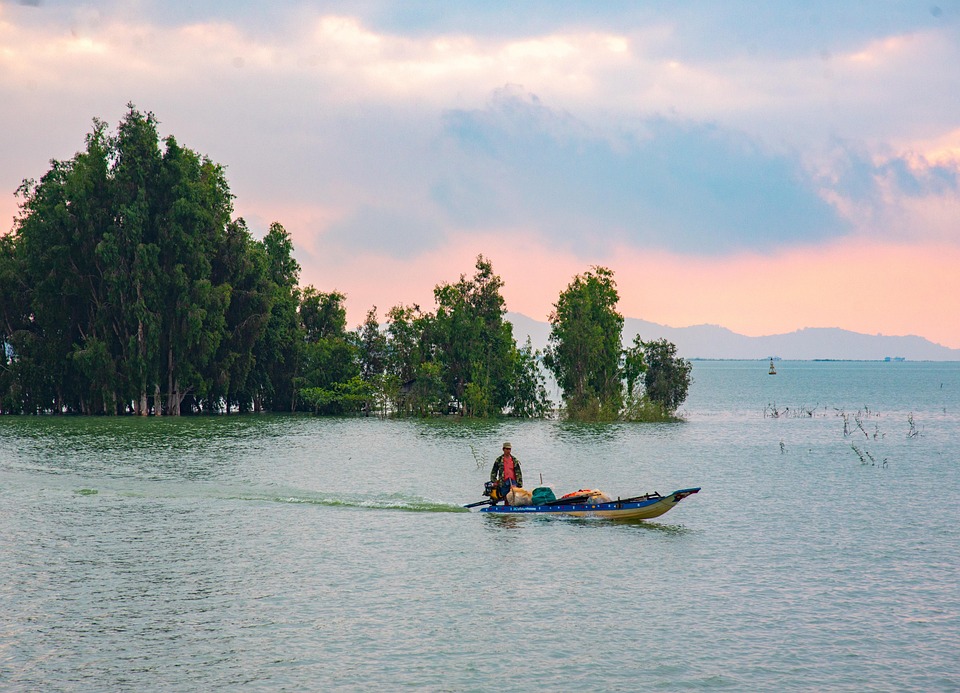
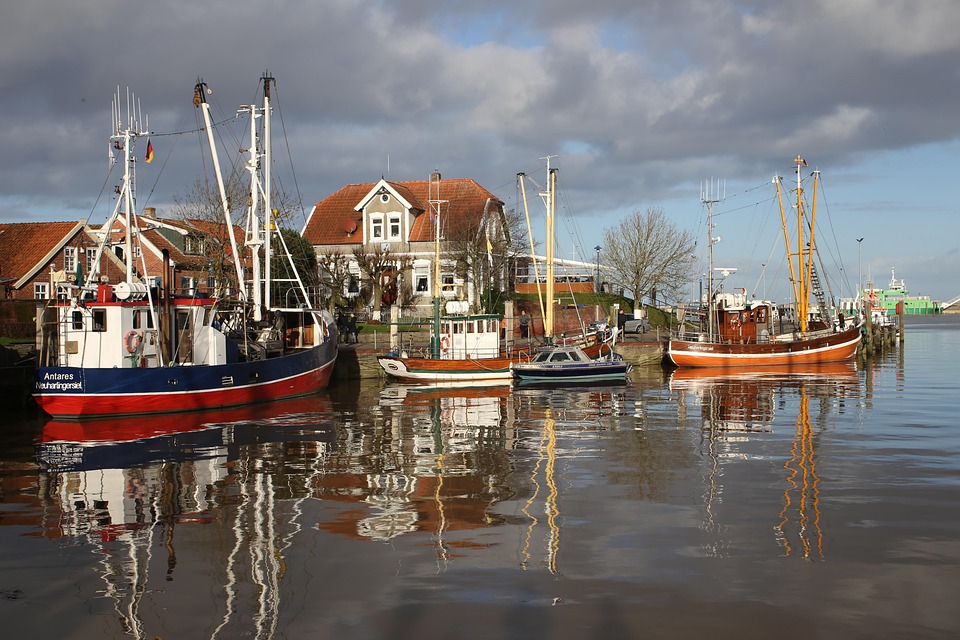
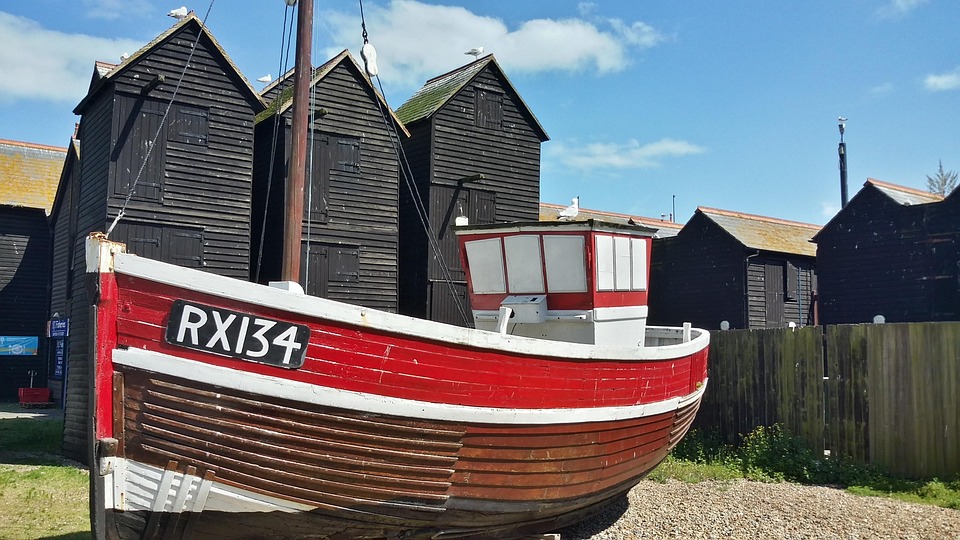




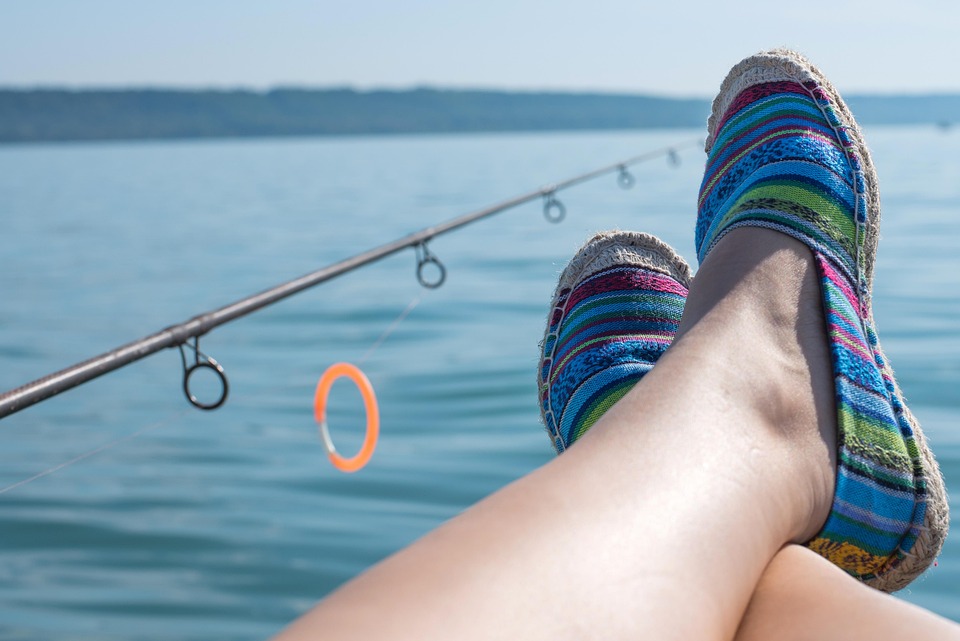


Salmon fishing is more than just a hobby; it’s a passion that has captured the hearts of anglers worldwide. From the icy rivers of Alaska to the serene lakes in Washington, salmon fishing offers both thrilling challenges and serene moments of connection with nature. Mastering the art of salmon fishing involves understanding the fish, the environments in which they thrive, and the techniques best suited for successful catches. In this guide, we will explore the essential aspects of salmon fishing, ensuring you are well-prepared to reel in the big one.
The Fascinating World of Salmon
Salmon are anadromous fish, meaning they are born in freshwater, migrate to the ocean, and return to freshwater to spawn. The most common species in North America include:
- Chinook (King) Salmon: The largest of the Pacific salmon, known for its rich flavor and weighty size.
- Coho (Silver) Salmon: Renowned for its fighting spirit and delicious taste.
- Sockeye (Red) Salmon: Famous for its vibrant color and intense flavor.
- Pink Salmon: Smaller and milder, these are favored for their ease of capture.
- Chum Salmon: Known for their distinctive color patterns and lower fat content.
Best Locations for Salmon Fishing
Choosing the right fishing location is crucial for success. Here are some of the top spots across North America:
- Alaska: The ultimate destination for salmon fishing with abundant waterways and all five species found in its rivers.
- Washington: The Columbia River and Puget Sound are prime spots for catching various salmon species.
- California: Especially renowned for Chinook catches along the Central Coast and inland rivers.
- British Columbia: The Fraser River and coastal waters are havens for salmon anglers.
- Oregon: The Rogue and Willamette Rivers provide excellent fishing opportunities.
Essential Gear for Salmon Fishing
Equipping yourself with the right gear is fundamental to a successful fishing outing. Here’s a breakdown of essential items:
Rods and Reels
A good salmon fishing setup includes:
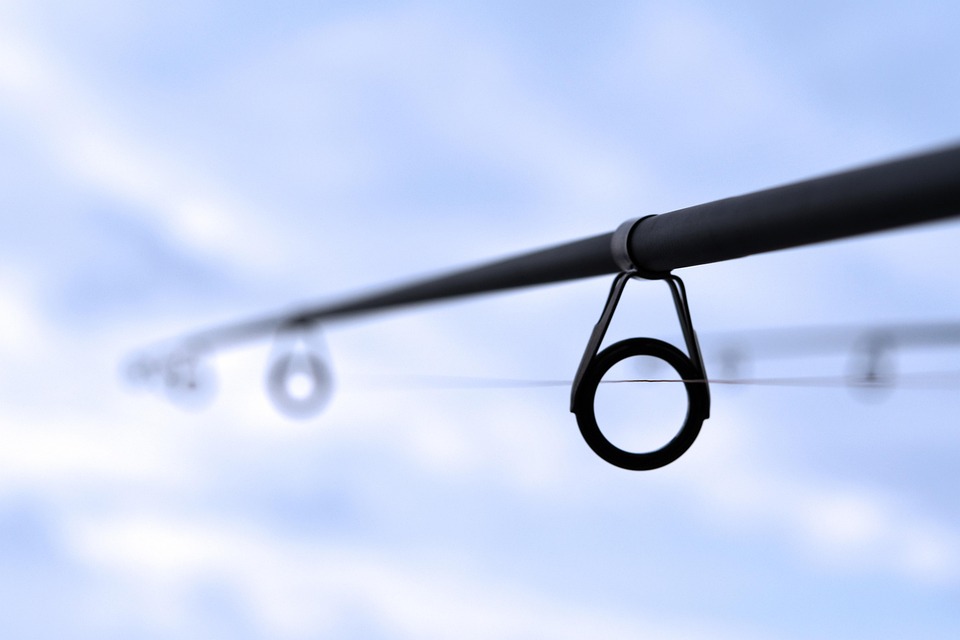
- **Rod:** A 9 to 11-foot medium-heavy rod is ideal for handling larger salmon.
- **Reel:** A high-capacity spinning or baitcasting reel that can hold a minimum of 200 yards of 20-30 lb test line.
Line and Leader
Using the right line and leader helps ensure a higher catch rate:
- **Line:** Monofilament or braided lines are popular, with braided lines offering greater sensitivity.
- **Leader:** Fluorocarbon leaders are nearly invisible in water, making them perfect for wary salmon.
Baits and Lures
Choosing appropriate baits or lures can significantly impact your success:
- Baits: Salmon eggs, herring, or shrimp can be very effective.
- Lures: Spoons, spinners, and plug lures such as the popular Flatfish or K11 are great options.
Top Fishing Techniques for Salmon
Once equipped, understanding the techniques used in salmon fishing can make a world of difference. Here are some tried-and-true methods:
Drift Fishing
Drift fishing involves allowing your line and bait to flow naturally with the current. This technique is especially effective during spawning runs in rivers.
Trolling
This method is best utilized in open waters, where you pull lures or bait behind a moving boat. Trolling is efficient for covering large areas quickly.
Fly Fishing
Though it requires skill and patience, fly fishing for salmon can be incredibly rewarding, particularly for Coho and King salmon.
Bottom Fishing
Utilizing weights to keep bait near the bottom can yield excellent results, especially in deeper waters.
Reading the Water
Successful anglers know how to read the water. Look for key indicators such as:
- Current Changes: Salmon often congregate at currents where they can rest and feed.
- Structure: Rocks, logs, and ledges provide cover for salmon.
- Temperature Variations: Salmon prefer temperatures between 50°F and 60°F (10°C to 15°C).
Seasonal Considerations
The salmon fishing season varies by location and species. In general:
- Spring: Ideal for Chinook and Coho as they head upstream.
- Summer: Peak time for all species, particularly in coastal areas.
- Fall: Excellent for Sockeye and Chum during their spawning runs.
Conservation and Ethical Fishing
As thrilling as salmon fishing can be, it’s essential to practice conservation. Respect regulations such as:
- Understanding catch limits and sizes.
- Focusing on sustainable fishing practices.
- Considering catch and release methods to preserve future fish populations.
Conclusion
Mastering the art of salmon fishing requires a blend of knowledge, skill, and respect for nature. With the right gear, techniques, and ethical practices, you can enjoy a fulfilling experience with every cast. Whether you’re fishing in a serene river or the ocean’s expanse, the thrill of reeling in a big one will undoubtedly become a cherished memory.
FAQs
1. What is the best time of year to fish for salmon?
The best time depends on the species and location, but generally, summer is peak season for most salmon in North America.
2. What type of bait works best for salmon fishing?
Live baits like salmon eggs, herring, or shrimp are popular, while artificial lures such as spoons and spinners can also be very effective.
3. Do I need a fishing license to fish for salmon?
Yes, a valid fishing license is required. Make sure to check local regulations as they may vary significantly.
4. Can beginners go salmon fishing?
Absolutely! Beginners can have a great time salmon fishing by starting with guided tours or fishing with experienced anglers who can provide valuable tips.
5. What are the most effective techniques for catching salmon?
Drift fishing, trolling, fly fishing, and bottom fishing are all effective methods, depending on the fishing environment and conditions.
- bass fishing
- Bluegill Fishing
- carp fishing
- catfish fishing
- Crappie Fishing
- freshwater angling
- freshwater bait fishing
- freshwater fishing
- freshwater fishing gear
- freshwater fishing guides
- freshwater fishing species
- freshwater fishing techniques
- freshwater fishing tips
- freshwater fly fishing
- freshwater spinning fishing
- inland fishing
- lake fishing
- lakes fishing
- largemouth bass fishing
- muskie fishing
- panfish fishing
- Perch Fishing
- pike fishing
- pond fishing
- reservoir fishing
- reservoirs fishing
- river fishing
- rivers fishing
- Salmon Fishing
- smallmouth bass fishing
- stream fishing
- Tilapia Fishing
- Trout Fishing
- Walleye Fishing









Leave a comment