













Fishing enthusiasts have always sought the best techniques to maximize their catch. In recent years, the Zander jigging technique has emerged as a game-changer, especially for angling zander, a predatory fish highly sought after in freshwater lakes and rivers. This article explores the Zander jigging revolution, providing insights into why this technique is gaining popularity, the best practices, and expert tips on not just hooking more fish but also enhancing your overall fishing experience.
Understanding Zander and Its Habitat
Zander (Sander lucioperca) is a type of freshwater fish closely related to perch and native to Europe and parts of Asia. Recognizable by its elongated body and sharp teeth, zander can grow up to 1 meter long, making it a prized catch for many anglers.
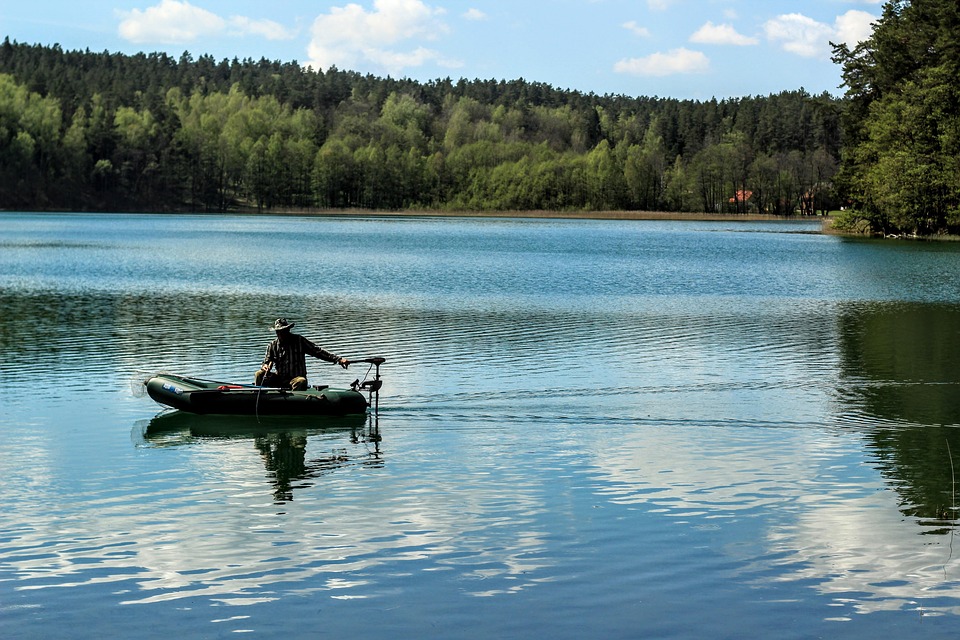
They thrive in various freshwater habitats, including lakes, rivers, and canals, often preferring deeper waters during the day and shallower regions at night. Understanding their behavior and feeding patterns is crucial for successful fishing.
The Benefits of Jigging
Jigging is a technique that involves moving a lure vertically in the water column to attract fish. Unlike traditional bait fishing, jigging allows for more control and versatility. Here are several benefits:
- Precision: Jigging offers precise control over the lure’s movements, allowing anglers to mimic the motion of injured prey, which zander find hard to resist.
- Versatility: Different jigs can be used for varying water conditions, depths, and fish sizes.
- Efficiency: Jigging can cover larger areas more effectively, making it easier to locate active zander.
- Excitement: The thrill of feeling a fish strike while jigging adds an exciting element to the fishing experience.
Gear and Equipment
To successfully embrace the Zander jigging technique, equipping yourself with the right gear is essential. Below are the key components:
Rods and Reels
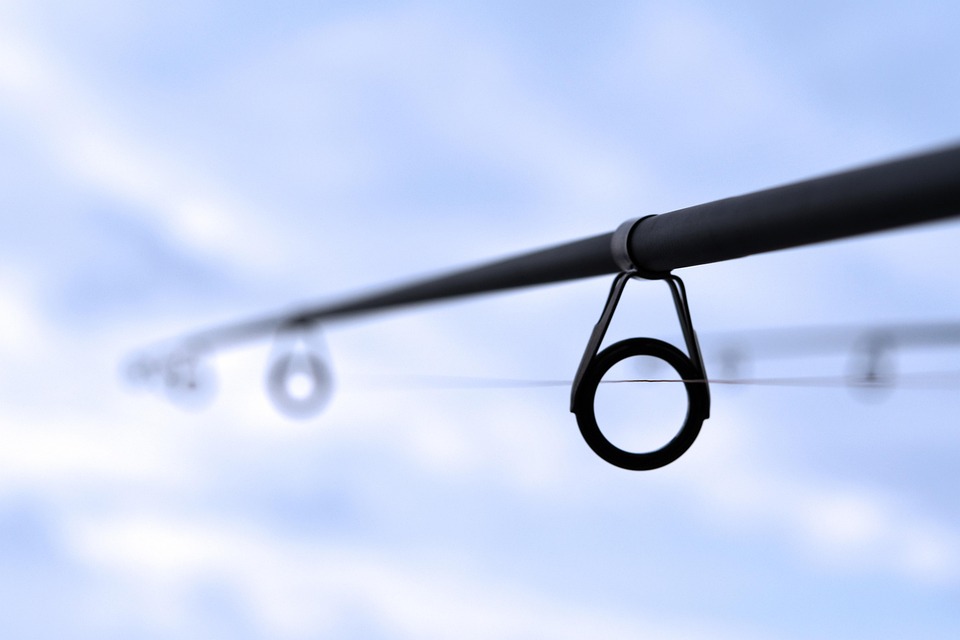
Opt for a medium to medium-heavy jigging rod, typically between 6’6″ to 7’6″. These rods provide the sensitivity and strength needed to handle zander effectively. Pair your rod with a reel that offers a smooth drag system; a spinning reel is often preferred for easier casting and retrieval.
Jigs
The choice of jigs can make or break your success. Heavy jigs, around 18-40 grams, are ideal for deeper waters, while lighter ones can be used in shallower regions. Popular types include:
- Soft plastic jigs: Mimic the movement of small fish, which makes them extremely effective.
- Blade jigs: Create vibrations and flash that attract zander from a distance.
- Spinner jigs: Combine the weight of a jig with the action of a spinner.
Line and Terminal Tackle
Use a strong braided line for better sensitivity and strength, typically in the 15-30 lb test range. Fluorocarbon leaders can also be an excellent choice for added stealth, especially in clear water conditions.
Techniques for Zander Jigging
The technique is as important as the gear. Here are some tips to master your jigging skills:
Finding the Right Spot
Start by mapping areas where zander are known to inhabit. Utilize depth finders to locate underwater structures like rocks, ledges, and channels where zander often reside.
Jigging Motion
The key to successful jigging is mastering the upward and downward motion. A common approach is to lift the jig 1-3 feet off the bottom and then let it fall back. This mimics the movement of injured baitfish.
Adjusting Speed
Experiment with different jigging speeds; sometimes, a slow and steady rise and fall are effective, while other times, a more aggressive movement may elicit strikes. Pay close attention to the fish’s response to adjust your technique accordingly.
Timing and Seasonal Considerations
Zander behavior changes with the seasons, making timing crucial for successful fishing. Here’s a brief overview:
- Spring: Zander spawn, making them less active. Fish deeper waters during this time.
- Summer: They move to shallower areas during the night to feed, increasing the odds of a catch.
- Autumn: Zander begin feeding aggressively, making this the ideal time for jigging.
- Winter: Fishing becomes more challenging; focus on deeper lakes and slow down your jigging motion.
Conservation and Ethical Fishing
As anglers, it’s our responsibility to practice ethical fishing and conservation. Always adhere to local regulations regarding size limits and bag limits. Catch and release practices can help ensure the zander population remains healthy for future generations.
Conclusion
The Zander jigging revolution is more than just a new technique; it’s an evolution driven by a deeper understanding of fish behavior and angling strategies. As interactions between anglers and fish evolve, so too do our methods—the Zander jigging technique offers a powerful way to increase your catch rates this season, enhancing both your skills and your enjoyment on the water. With the right gear, techniques, and a commitment to ethical fishing, the bounty of zander awaits fishers ready to embrace this exciting fishing method.
FAQs
1. Do I need special equipment for zander jigging?
While you can use general fishing gear, specific jigging rods and reels designed for sensitivity and strength can enhance your experience and success rate.
2. What time of day is best for zander jigging?
Zander tend to be more active during early mornings and late evenings, but night fishing can also yield excellent results as they move shallower to feed.
3. How deep should I fish for zander?
This depends on the season and time of day. In warmer months, they can be found in shallower waters, while in colder months, deeper areas are more productive.
4. Is jigging effective in both rivers and lakes?
Yes, jigging can be effective in both environments. Adjust your tactics based on the water conditions—currents in rivers may require heavier jigs and different retrieves.
- advanced predator fishing
- aggressive fish fishing
- barracuda fishing
- barracuda lure fishing
- freshwater predator fishing
- large predator fishing
- muskie fishing
- muskie lure fishing
- pike fishing
- pike lure fishing
- predator angling
- predator fishing
- predator fishing baits
- predator fishing destinations
- predator fishing for beginners
- predator fishing gear
- predator fishing guides
- predator fishing lures
- predator fishing reels
- predator fishing rigs
- predator fishing rods
- predator fishing seasons
- predator fishing spots
- predator fishing tactics
- predator fishing techniques
- predator fishing tips
- predatory fish fishing
- saltwater predator fishing
- zander fishing
- zander jigging












Leave a comment