











Bass fishing is not just a hobby; it’s a thrilling pursuit that offers anglers both tranquility and excitement. These freshwater fish, classified primarily as largemouth and smallmouth, can be found lurking beneath the water’s surface in lakes, rivers, and ponds throughout North America. Understanding how to effectively catch bass requires more than just throwing a line into the water. It demands knowledge of the fish’s behavior, their seasonal habitats, and the right techniques and equipment. In this guide, we’ll delve into the seasonal strategies that can enhance your bass fishing success, provide insights into techniques, and explore some of the best locations for catching these slippery targets.
Understanding Bass Behavior Through the Seasons
Bass are cold-blooded animals that respond to changes in temperature, light, and food availability throughout the year. Therefore, as the seasons change, so do their feeding habits and habitats.
Spring: The Spawning Season
Spring marks a pivotal time in the life of bass, as they enter their spawning season. Water temperatures begin to rise, typically reaching 60°F to 75°F, prompting the fish to move into shallow waters for mating.
- Location: During this season, look for bass around shallow beds, especially near gravel or sand where they lay their eggs.
- Techniques: Utilize soft plastics, jigs, and spinnerbaits to mimic potential prey.
- Best Times: Early mornings and late evenings are ideal for fishing, as bass are more active during these times.
Summer: Feeding Frenzy
As temperatures soar during the summer months, typically from June to August, bass often retreat to deeper waters in search of cooler temperatures. However, this does not diminish their feeding behavior.
- Location: Look for bass near drop-offs, submerged structures, and areas with shade provided by vegetation.
- Techniques: Use topwater lures in the early morning and late evening, and switch to deeper diving lures or jigs during the heat of the day.
- Best Times: Early morning and late evening offer optimal conditions, while the mid-afternoon may require deeper tactics.
Fall: Pre-Winter Feeding Spree
Fall is a critical time for bass as they prepare for winter. As water temperatures drop, typically ranging from 55°F to 65°F, bass begin a final feeding frenzy to build up energy reserves.
- Location: Focus on shallow areas in lakes and rivers where baitfish are abundant.
- Techniques: Use crankbaits, spoons, and swimbaits to imitate the activity of the baitfish.
- Best Times: Fishing during cloudy days or right before a storm can yield rewarding results, as the bass tend to be more active.
Winter: Tough Conditions, Strategic Approaches
Winter presents unique challenges for anglers. During this season, bass become lethargic due to cold temperatures, often retreating into deeper waters (below 50°F).
- Location: Bass can generally be found at significant depths in structure-rich areas, like ledges or submerged trees.
- Techniques: Slow presentations with jigs or drop-shot rigs are key. Patience is essential, as bites may be fewer.
- Best Times: Midday can often be the most fruitful time to fish when the water temperature is at its warmest.
Choosing the Right Equipment
Equipping yourself with the right tools can significantly influence your fishing success. Here is a list of essential gear tailored for bass fishing:
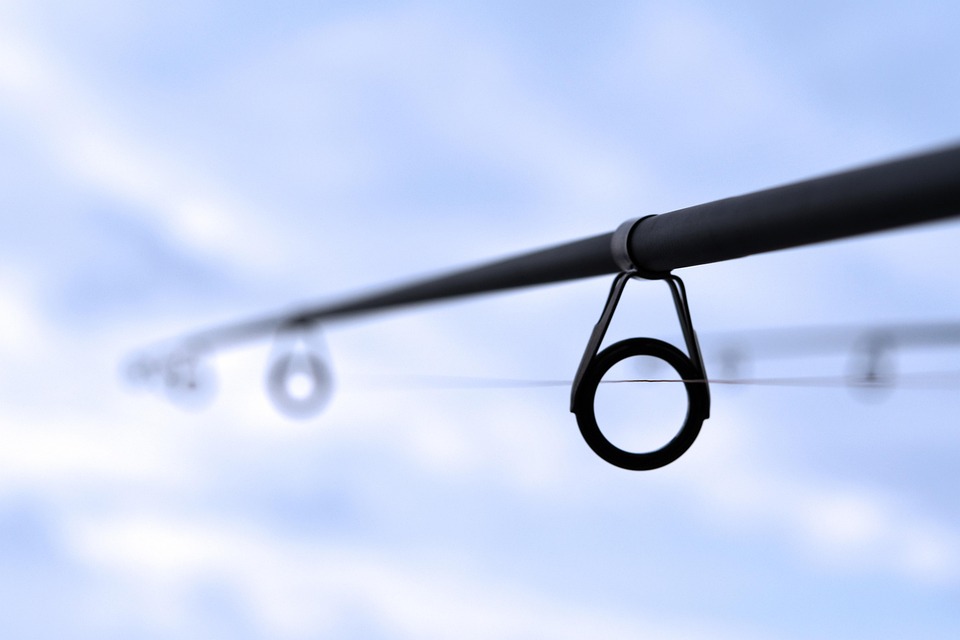
- Rod and Reel: A medium to medium-heavy baitcasting outfit generally serves best for bass fishing. Look for rods around 6’6” to 7’6” for versatility.
- Line: Monofilament or braided line in the 10-20 lb range offers the strength needed to catch bass.
- Lures: Having a variety on hand—jigs, crankbaits, spinnerbaits, and soft plastics—can make a difference depending on the season and technique.
- Terminal Tackle: Be sure to carry hooks, sinkers, and clips to customize your setup according to different fishing conditions.
Top Bass Fishing Locations in North America
The United States is home to some of the best bass fishing waterways. Here are a few prime locations:
- Lake Guntersville, Alabama: Known for its abundance of largemouth bass, this large lake offers great fishing conditions year-round.
- St. Lawrence River, New York: This river is a hotspot for smallmouth bass, especially during the summer and fall.
- Lake Erie, Ohio: Famous for its trophy-sized bass, Lake Erie provides excellent fishing opportunities throughout the warmer months.
- Florida’s lakes: Famous for their big bass, Florida offers numerous lakes and ponds teeming with catchable fish.
Conservation and Ethics in Bass Fishing
Anglers must consider the importance of sustainable fishing practices to preserve bass populations for future generations. You can contribute to conservation efforts by:
- Practicing Catch and Release: Releasing caught fish back into the water promotes population sustainability.
- Staying Informed: Being aware of and adhering to local regulations regarding size and bag limits ensures responsible fishing.
- Participating in Clean-Ups: Join local fishing clubs or groups focused on cleaning up lakes and rivers to maintain healthy habitats.
Conclusion
Bass fishing is a rewarding and engaging activity that offers endless opportunities for learning and exploration. By tailoring your approach based on seasonal changes, using appropriate gear, and respecting the environment, you can reel in success no matter where you fish. Whether you’re a seasoned angler or just starting, understanding the nuances of bass behavior throughout the year can significantly augment your fishing experience. So grab your rod, pack your lures, and embark on a fishing adventure that connects you to nature and enriches your life.
FAQs
1. What is the best time of day to fish for bass?
The best time to fish for bass is typically early morning and late evening when they are most active.
2. What type of bait is best for catching bass?
Soft plastic lures, jigs, and crankbaits are among the most effective bait types for bass fishing.
3. Can I catch bass from the shore?
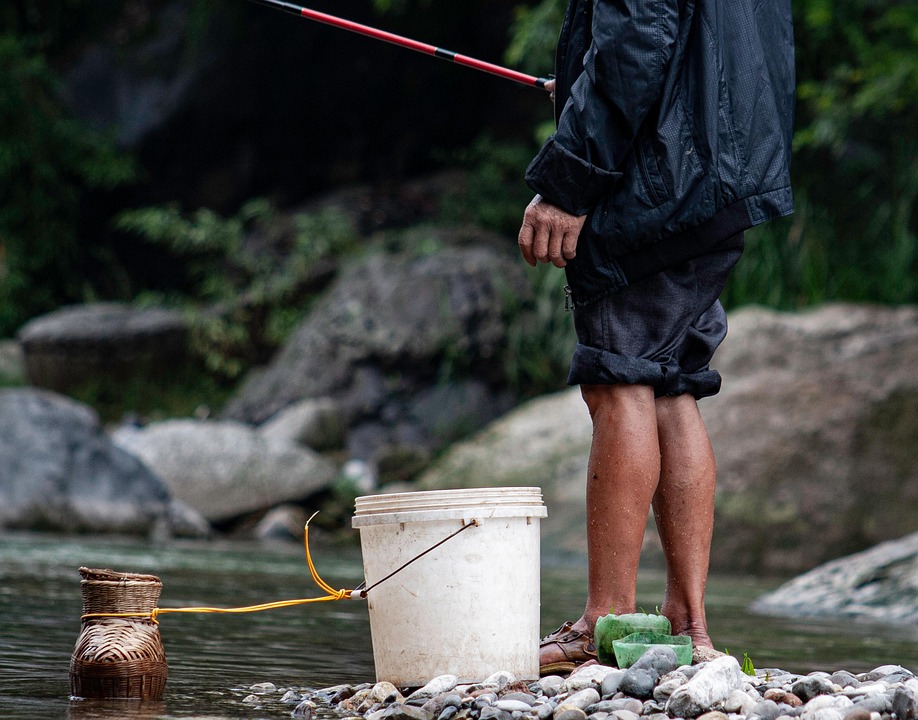
Yes, many anglers successfully catch bass from the shore, especially in lakes and rivers with accessible banks.
4. Are there different techniques for catching largemouth and smallmouth bass?
While some techniques overlap, smallmouth bass often prefer rocky areas and may respond better to swimbaits, while largemouth bass are typically found in cover and may be caught effectively using jigs or topwater lures.
5. How can I ensure proper catch and release?
To ensure proper catch and release, use wet hands when handling fish, use appropriate hooks that minimize injury, and release the fish gently back into the water quickly.
- bait fishing seasons
- bass fishing seasons
- best fishing times
- bluegill fishing seasons
- carp fishing seasons
- catfish fishing seasons
- crappie fishing seasons
- fishing seasons
- fly fishing seasons
- inshore fishing seasons
- jigging seasons
- marlin fishing seasons
- muskie fishing seasons
- offshore fishing seasons
- panfish fishing seasons
- pike fishing seasons
- popping seasons
- sailfish fishing seasons
- salmon fishing seasons
- seasonal fishing for beginners
- seasonal fishing guides
- seasonal fishing guides worldwide
- seasonal fishing strategies
- seasonal fishing tips
- shark fishing seasons
- spinning fishing seasons
- trolling seasons
- trout fishing seasons
- tuna fishing seasons
- walleye fishing seasons
- zander fishing seasons








Leave a comment