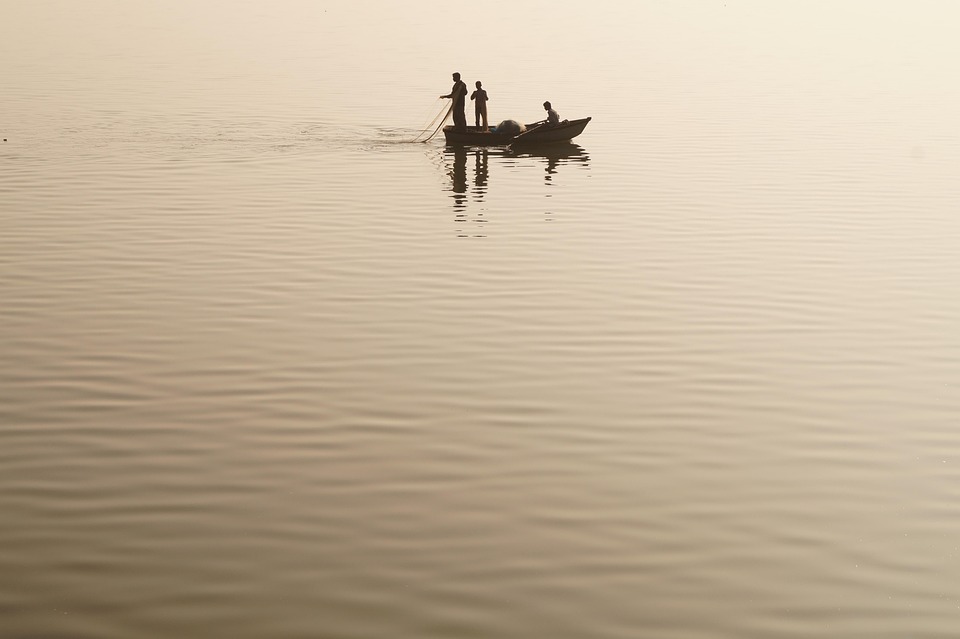
<p>Nothing compares to the serenity of a sunrise over a quiet reservoir, where the water glistens like a million diamonds. For many anglers, reservoir fishing is not just a hobby; it's a passion—a pursuit of both skill and nature. This feature article will explore the secrets of successful reservoir fishing, emphasizing techniques, strategies, and insights that can transform an average outing into a memorable experience.</p>
<h2>The Dynamics of Reservoir Fishing</h2>
<p>Reservoirs, created primarily for water storage and flood control, offer a unique fishing ecosystem. They differ from natural lakes or rivers in several ways:</p>

<ul>

    <li><strong>Water Levels:</strong> Reservoirs have managed water levels, allowing anglers to predict fish behavior better.</li>

    <li><strong>Structure and Cover:</strong> They often feature submerged structures like trees, rocks, and man-made habitats that attract fish.</li>

    <li><strong>Temperature Stratification:</strong> Warmer and cooler layers of water can host different species at various times.</li>

</ul>
<p>Understanding these dynamics is crucial, as they dictate where fish will be found and when they are most likely to be active. Each reservoir is a unique puzzle, inviting anglers to unlock its secrets.</p>
<h2>Essential Gear for Success</h2>
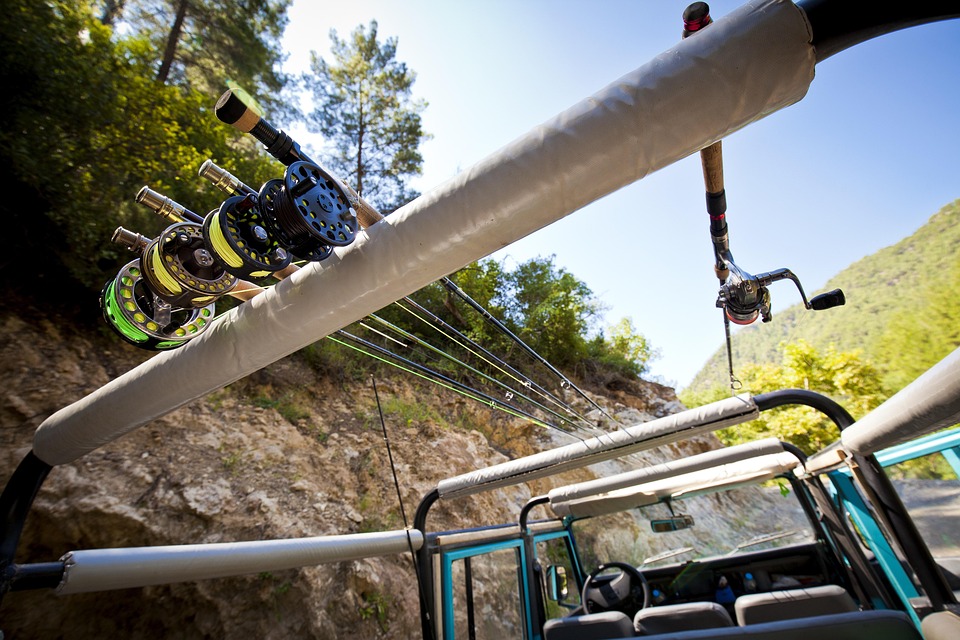
<p>To navigate the intricacies of reservoir fishing effectively, the right gear is indispensable. Here’s a rundown of essential items every angler should consider:</p>
<h3>Rod and Reel</h3>

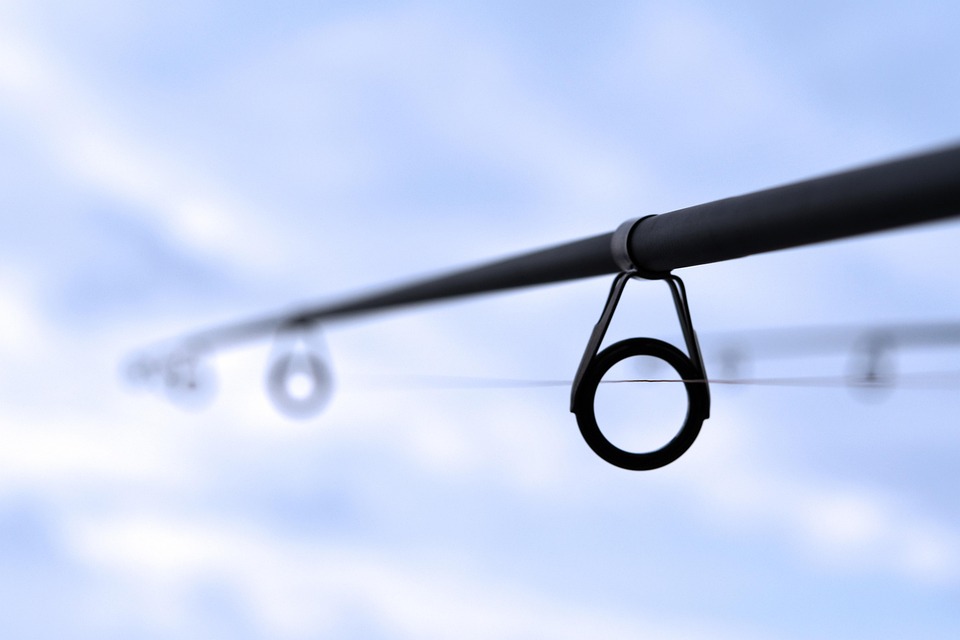
<p>A quality rod and reel setup is the first step toward ensuring a successful day on the water. A medium-heavy rod paired with a spinning or baitcasting reel provides the versatility needed for various techniques.</p>
<h3>Line and Lures</h3>

<p>Choosing the right line is equally important. Fluorocarbon lines are nearly invisible underwater, making them ideal for clear waters, while braided lines offer strength for tussling with larger fish.</p>

<p>As for lures, anglers should be prepared with a selection that includes:</p>

<ul>

    <li><strong>Topwater lures:</strong> Exciting to use, these lures can provoke explosive strikes during the early morning or late evening.</li>

    <li><strong>Spinnerbaits:</strong> Great for navigating around submerged structures.</li>

    <li><strong>Soft plastics:</strong> Versatile for various fish species, suitable for finesse fishing.</li>

</ul>
<h2>Strategizing Your Fishing Trip</h2>
<p>Effective reservoir fishing is as much about strategy as it is about gear. Knowing what to look for can drastically improve your success rate.</p>
<h3>Understanding Fish Behavior</h3>

<p>Different fish exhibit unique behaviors depending on the time of year, weather conditions, and water temperature. The primary species found in reservoirs include bass, trout, catfish, and panfish. Here’s a brief overview of their habits:</p>

<ul>

    <li><strong>Bass:</strong> Often found near structures, they are most active during warmer months and can be caught using topwater baits in the early morning.</li>

    <li><strong>Trout:</strong> Prefer cooler waters and can often be found near inflows and deeper sections, especially in warmer months.</li>

    <li><strong>Catfish:</strong> Nocturnal feeders that thrive near banks and submerged structures.</li>

    <li><strong>Panfish:</strong> Found near vegetation, often targeting them requires light tackle and small bait.</li>

</ul>
<h3>Time of Day and Seasonal Considerations</h3>

<p>The time of day can significantly affect fish activity. Early mornings and late evenings often yield the best results, especially during summer months. Additionally, seasonal changes should dictate your approach:</p>

<ul>

    <li><strong>Spring:</strong> Fish are spawning and can be found in shallow waters.</li>

    <li><strong>Summer:</strong> Fish tend to stay deeper and will often hold near cover or cooler waters.</li>

    <li><strong>Fall:</strong> As temperatures drop, fish feed aggressively to prepare for winter.</li>

    <li><strong>Winter:</strong> Fishing success can be low, but deeper areas or areas with current can be productive.</li>

</ul>
<h2>The Art of Casting</h2>
<p>Casting is where skill meets art in reservoir fishing. Mastering different casting techniques can open opportunities for targeting fish in tricky spots.</p>
<h3>Types of Casts</h3>

<ul>

    <li><strong>Overhead Cast:</strong> Useful for long-distance casting, helpful for covering more water.</li>

    <li><strong>Sidearm Cast:</strong> Essential for casting under low-hanging branches or tight spots.</li>

    <li><strong>Pitching and Flipping:</strong> Ideal for precise placement of lures near cover.</li>

</ul>
<h3>Accuracy and Distance</h3>

<p>Practicing your casting skills away from the water can significantly enhance your accuracy. Focus on aiming for smaller targets and gradually increase distance. Remember that, in many cases, it’s not how far you cast, but how accurately you place your lure that will entice a strike.</p>
<h2>Conservation and Responsible Fishing</h2>
<p>As anglers, protecting our fisheries is vital for future generations. Practicing catch and release, adhering to local regulations, and being mindful of our environmental impact are crucial responsibilities. Here are some tips for responsible fishing:</p>

<ul>

    <li><strong>Respect Local Regulations:</strong> Always check local rules regarding size limits and species protection.</li>

    <li><strong>Handle Fish Carefully:</strong> Keep fish in the water as much as possible and wet your hands before handling them.</li>

    <li><strong>Pack Out What You Pack In:</strong> Leave no trace; take all trash with you.</li>

</ul>
<h2>Conclusion</h2>
<p>Reservoir fishing is a blend of strategy, skill, and respect for nature. Understanding the behavior of fish, mastering the right techniques, and using the appropriate gear are foundational for any angler determined to unlock the secrets of successful fishing. Whether you’re a seasoned veteran or a newbie at the shore, the journey of reservoir fishing promises both challenges and rewards, turning each trip into an adventure worth pursuing.</p>
<h2>FAQs</h2>
<h3>1. What are the best times to fish in a reservoir?</h3>

<p>Early mornings and late evenings are generally the most productive times, especially in warmer months. Seasonally, spring and fall tend to be excellent for bass, while summer can be favorable to deeper waters.</p>
<h3>2. What types of fish can I expect to catch in a reservoir?</h3>

<p>Common species include bass, trout, catfish, and various panfish, but availability can depend on the specific reservoir and regional regulations.</p>
<h3>3. Do I need a fishing license to fish in reservoirs?</h3>

<p>Yes, most states require anglers to have a fishing license. Ensure to check local regulations to avoid any penalties.</p>
<h3>4. How can I improve my casting technique?</h3>

<p>Practicing different types of casts and focusing on accuracy will improve your technique. You can also watch instructional videos or take lessons from experienced anglers.</p>
<h3>5. How can I practice catch and release effectively?</h3>

<p>To practice catch and release, keep fish in the water as much as possible, minimize handling, and ensure you have the right tools (like barbless hooks) to aid in their safe return to the water.</p>























Leave a comment