
















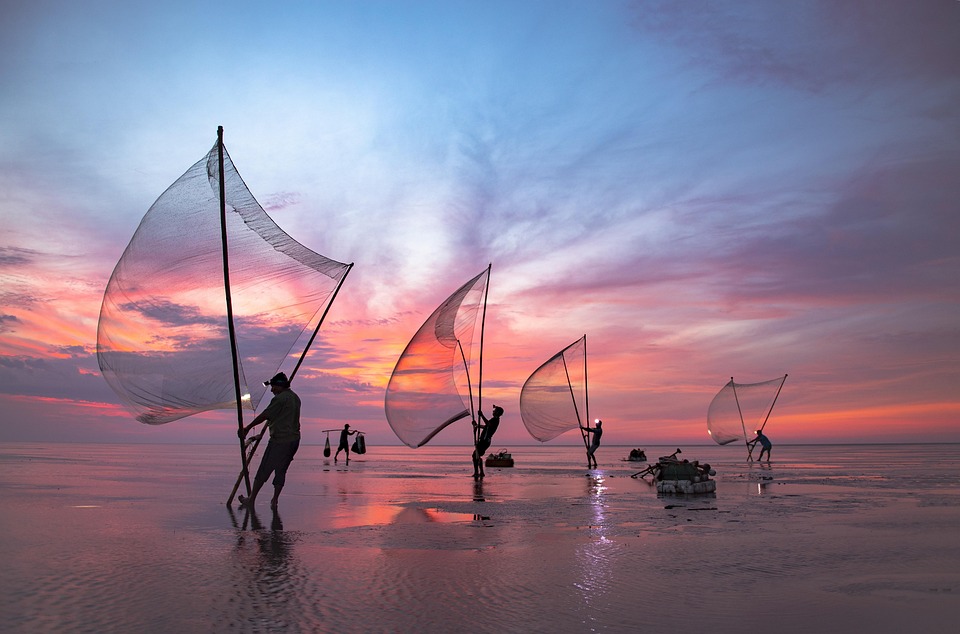
The ocean is a vast expanse, and within its depths lies a treasure trove of species, each offering unique challenges and rewards. Among the most exhilarating targets is the Mahi Mahi, also known as the Dorado or Dolphin Fish. Renowned for its vibrant colors and acrobatic displays, fishing for Mahi Mahi provides not only sporting thrills but also culinary rewards. Mastering the deep and honing your skills can set you apart in the world of deep-sea sportfishing.
Understanding Mahi Mahi: The Fish of Many Colors
Mahi Mahi (Coryphaena hippurus) is a fast-growing fish that can reach lengths of up to 6.5 feet and weights of up to 88 pounds. They are often celebrated for their striking hues—brilliant blue and green with a golden belly—which can change as they are caught. These fish thrive in warm ocean waters, primarily in the tropics and subtropics, with most catches occurring between 20°N and 20°S latitude.
Notably, Mahi Mahi are surface feeders, preying on smaller fish and even plankton. Their speed and agility make them a formidable opponent, often leaping from the water in an attempt to shake off hooks. This dynamic behavior, combined with their delicious, firm flesh, makes them a prized catch for both recreational and commercial fishermen.
Gear Up: Essential Equipment for Mahi Mahi Fishing
Successful Mahi Mahi fishing begins with the right gear. Here’s what you need:
- Rod and Reel: Choose a medium to heavy action rod paired with a reel that can handle 20-50 pound test monofilament or braid. Spinning reels are popular, but conventional reels also work well.
- Line: Use a braided line for better sensitivity and strength; fluorocarbon leaders are ideal as they are nearly invisible underwater.
- Hooks: Circle hooks in sizes 4/0 to 8/0 are preferred for Mahi Mahi fishing as they minimize gut hooking and increase survival rates when catch-and-release is practiced.
Location, Location, Location: Where to Find Mahi Mahi
Understanding where to seek Mahi Mahi is crucial for success. They often congregate around floating debris, weed lines, and underwater structures such as reefs. Here are some effective places to target:
- Floating Objects: Look for buoys, logs, and other floating debris, as Mahi Mahi gather under these as they provide cover and attract baitfish.
- Color Changes: Pay attention to color changes in the water, indicating currents or temperature shifts that can attract prey.
- Bird Activity: Watch for birds dive-bombing the water, which often signals a school of fish below. Mahi Mahi are quick to take advantage of schools of smaller fish.
Time It Right: The Best Seasons for Mahi Mahi Fishing
Mahi Mahi are generally most abundant in warmer months, peaking in late spring through early fall, depending on your location. The best times to fish are:
- Early Morning: The calm of the early morning hours can yield excellent fishing conditions and when fish are actively feeding.
- Late Afternoon: As the day starts to cool, fish, including Mahi Mahi, often return to the surface to feed.
Bait and Presentation: Lure Them In
Choosing the right bait is key to enticing Mahi Mahi. Live bait such as small mahi, sardines, or ballyhoo work well. When it comes to lures, try:
- Jigs: Brightly colored jigs mimic the fish Mahi Mahi are feeding on and can be effective when retrieved at varying speeds.
- Plastics: Soft plastics rigged on a jig head can be used to represent baitfish, often drawing Mahi Mahi in for a strike.
Techniques: Mastering the Art of Hooking Mahi Mahi
When targeting Mahi Mahi, the technique can influence your success substantially. Here are some practices to consider:
- Slow Trolling: Often the most effective way to catch Mahi Mahi. Use live bait or lures and keep your speed at around 4-8 knots.
- Bait and Switch: Use a live bait setup to attract larger Mahi Mahi, and then switch to a larger lure to entice a strike.
Handling and Conservation: Best Practices for Mahi Mahi Fishing
Being responsible is not just about what you catch; it’s also how you handle your catch. Mahi Mahi are beautiful creatures—understanding catch and release practices can help preserve their populations.
- Quick Handling: Minimize the time out of water to avoid stress. Use wet hands to handle fish and avoid gills.
- Release Techniques: Ensure the fish is released as quickly as possible or kept in the water if you plan on taking a quick photo.
Conclusion
Mastering Mahi Mahi fishing is an exhilarating pursuit that combines skill, patience, and understanding the ocean’s rhythms. By equipping yourself with the right gear, knowing the best locations, choosing the right bait, and practicing responsible fishing, you can significantly enhance your chances of landing this beautiful fish. Beyond the thrill of the catch, Mahi Mahi fishing offers a deeper connection to nature, reminding us of the importance of conservation and sustainability in our oceans.
FAQs
1. What is the best time of year to catch Mahi Mahi?
The prime months for Mahi Mahi fishing are typically late spring through early fall, depending on your location.
2. What are the best lures for Mahi Mahi fishing?
Brightly colored jigs and soft plastics are effective, along with live bait such as ballyhoo or small sardines.
3. What is the average size of Mahi Mahi?
Mahi Mahi can grow large, typically ranging from 15 to 40 pounds, but trophy specimens can exceed 80 pounds.
4. How can I practice catch and release effectively?
Keep the fish in the water as much as possible, use wet hands to minimize damage, and avoid touching the gills. If taking a photo, do so as quickly as possible.
5. Are Mahi Mahi good to eat?
Yes, Mahi Mahi is considered a delicacy with a mild, slightly sweet flavor and firm texture, making it popular in various cuisines.
- barracuda fishing
- beach fishing
- big game fishing
- bluewater fishing
- boat fishing
- coastal fishing
- deep ocean fishing
- deep sea fishing
- drift fishing
- grouper fishing
- jigging fishing
- kingfish fishing
- mahi mahi fishing
- marlin fishing
- ocean fishing
- offshore fishing
- pier fishing
- reef fishing
- sailfish fishing
- saltwater angling
- saltwater fishing
- saltwater fishing guides
- shark fishing
- shore fishing
- snapper fishing
- sport fishing
- surf fishing
- trolling fishing
- tuna fishing








Leave a comment