

















Fishing is more than just a pastime; it’s an experience deeply embedded in nature that can foster tranquility, thrill, and a sense of achievement. Whether you’re casting a line for the first time or revisiting it after years, this guide will help you navigate through the essential aspects of fishing.
The Allure of Fishing
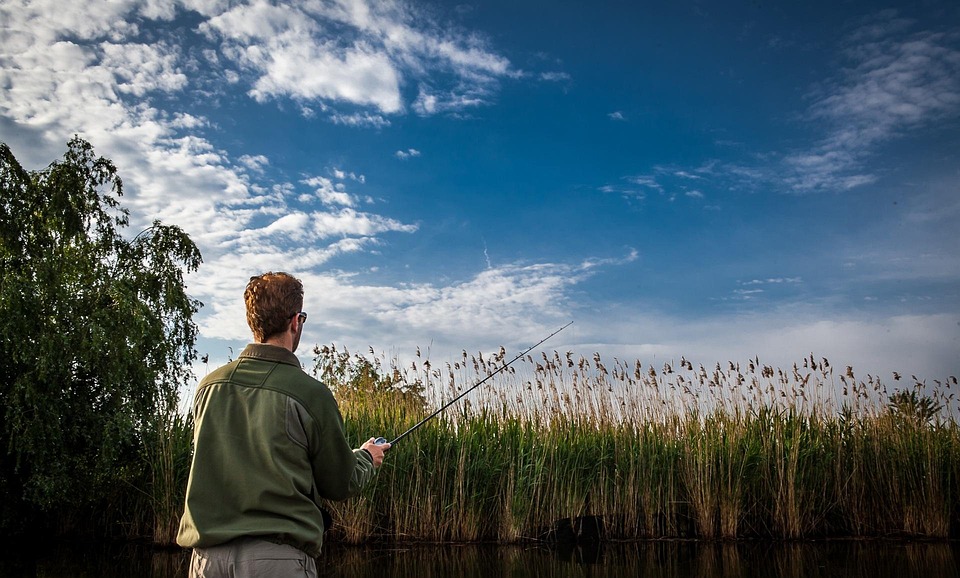
Fishing connects us to nature, offering us a break from our hectic routines. The rhythm of casting a line, the patience it requires, and the serenity of waterside environments create a unique harmony. Moreover, studies show that spending time in nature improves mental health, reduces stress, and promotes relaxation.
Getting Started: Equipment Essentials
Your fishing experience will largely depend on the gear you choose. Here’s a list of basic equipment that every beginner should consider:
- Fishing Rod and Reel: Choose a simple rod and spinning reel combo for ease of use. These are versatile for various fishing environments.
- Fishing Line: A monofilament line with a test strength of around 8-12 pounds is suitable for beginners.
- Bait and Lures: Live bait (worms, minnows) and artificial lures (spinners, jigs) can help in attracting fish.
- Fishing Tackle Box: This is essential for organizing hooks, weights, and other small tools.
- Clothing and Accessories: Dress appropriately for the weather. A hat, sunglasses, and sunscreen are important for sun protection.
- Fishing License: Check your local regulations regarding licenses; fishing without one can lead to fines.
Understanding Fishing Techniques
There are multiple fishing techniques depending on the type of fishing you want to engage in:
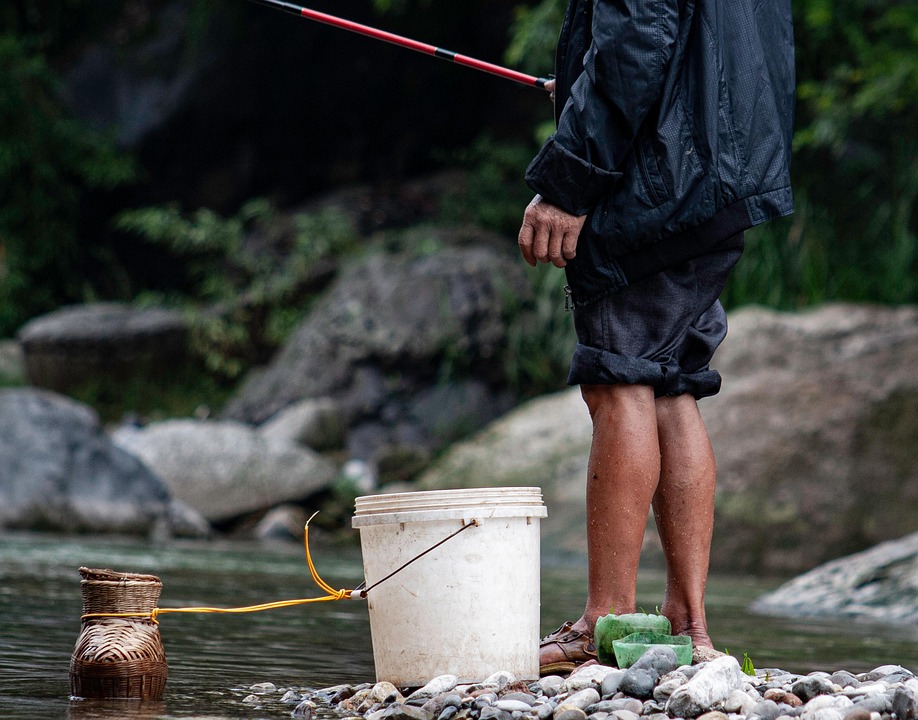
- Freshwater Fishing: Engaging in lakes, rivers, and ponds, this involves casting bait or lures to attract species like bass, trout, and catfish.
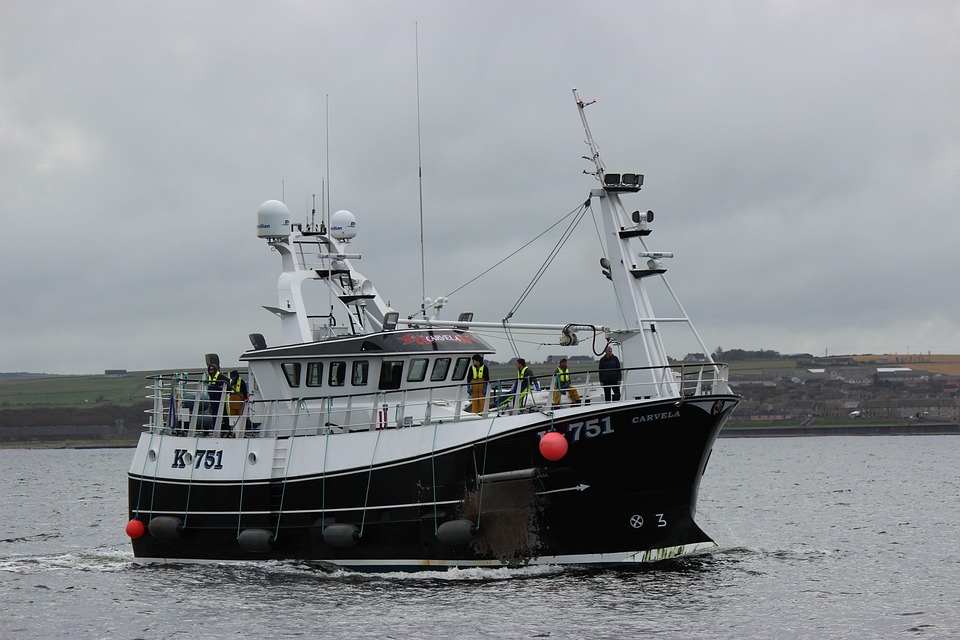
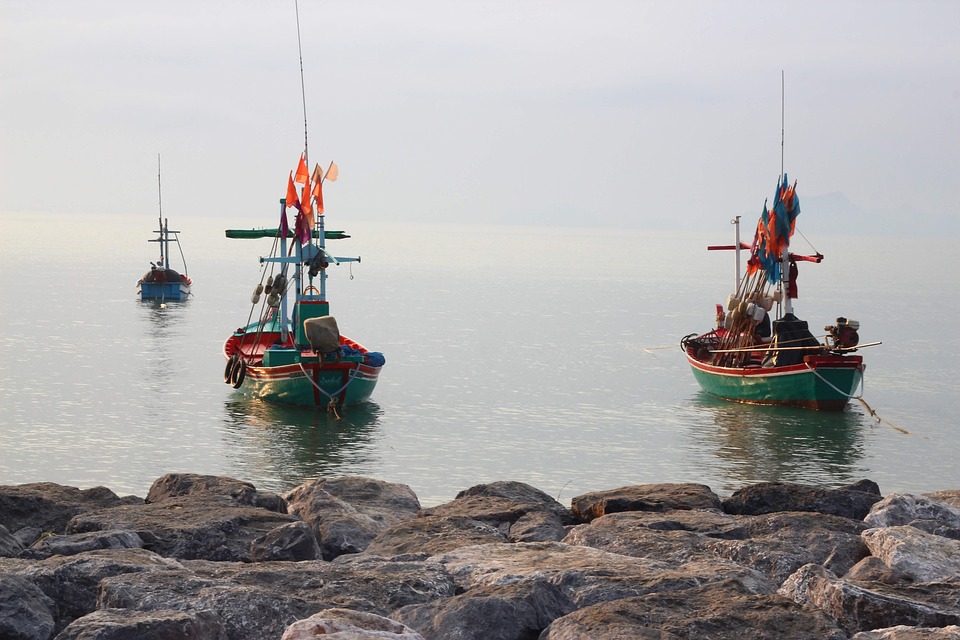
- Saltwater Fishing: Occurs in oceans and seas, targeting fish like tuna and marlin, usually necessitating more robust gear.
- Fly Fishing: An artful method requiring specialized gear to cast lightweight flies; ideal for tricking fish like trout.
- Ice Fishing: In colder climates, this unique technique involves drilling holes in ice to fish below.
Finding the Right Fishing Location
Choosing a fishing spot is crucial for success. Factors to consider include:
- Accessibility: Look for local fishing spots that are easily accessible for beginners.
- Fish Species: Research local species to determine the best time and method for fishing (e.g., early morning for bass).
- Local Regulations: Always check for specific rules regarding sizes, limits, and protected areas.
Skills to Cultivate
As a beginner, it’s essential to nurture a few key skills:
- Casting: Practice how to cast your line effectively. Start by getting a feel for your rod and the motion needed.
- Reeling: Learn to reel in fish smoothly without causing them to get loose.
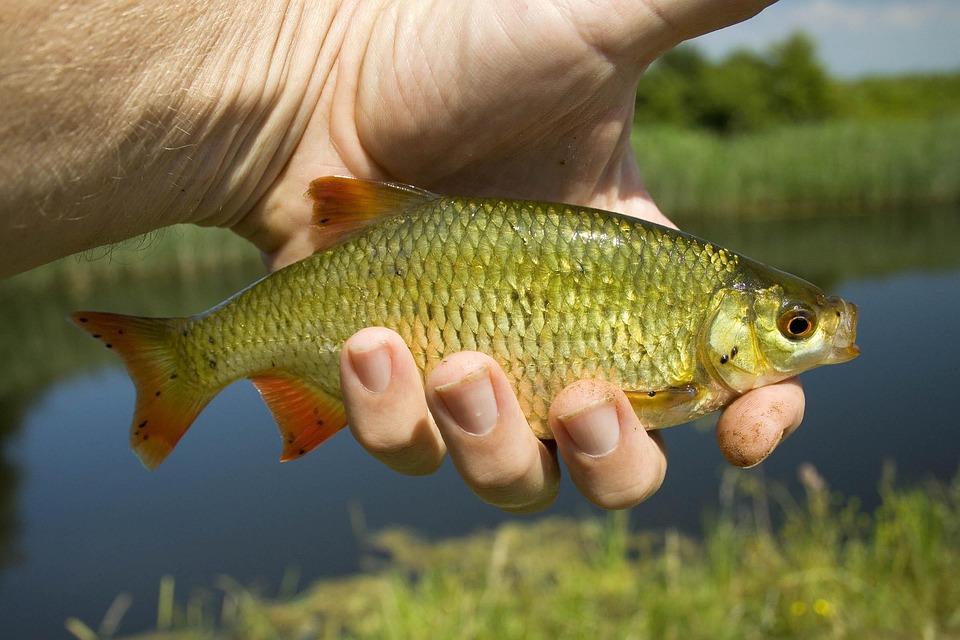
- Identifying Fish: Understanding different types of fish and their habits can help optimize your approach.
Patience is Key
Fishing demands patience. It’s about connecting with the environment and understanding the nuances of fishing. Don’t be discouraged by slow days—each experience offers something to learn. Focus on the process rather than solely on the catch.
Catch and Release Practices
If you choose not to keep your catch, familiarize yourself with catch and release practices. This is essential for preserving fish populations and ensuring a sustainable fishing environment.
Fishing and Community
One of the beauties of fishing is its ability to bring people together. Joining local fishing groups, clubs, or attending workshops can enrich your experience and provide valuable learning opportunities. Online platforms also offer a wealth of information, from forums to video tutorials.
Conclusion
Embarking on your fishing journey can lead to a rewarding experience filled with adventure, camaraderie, and a profound connection to nature. By equipping yourself with the right knowledge, gear, and mindset, you can enjoy this timeless activity. Remember to be patient, respect the environment, and most importantly, have fun. Whether you catch the big one or enjoy the serenity by the water’s edge, what matters most is the experience you create along the way.
FAQs
1. Do I need a fishing license to fish?
Yes, in most locations a fishing license is required to fish legally. Check your local regulations for specific requirements.
2. What is the best time of day to go fishing?
Typically, early morning and late afternoon/evening are the best times to fish, as fish are more active during these periods.
3. What types of fish can I catch as a beginner?
Common beginner-friendly fish include bluegill, catfish, and bass. These species are often found in freshwater bodies and are relatively easier to catch.
4. How do I know where to fish?
Research local fishing reports, join community fishing groups, or consult local fishing guides to find the best spots and techniques for your area.
5. Can I fish all year round?
Fishing seasons vary by region and species. Be sure to check local regulations to know when you can fish and if any species have specific closed seasons.
- beginner bass fishing
- beginner carp fishing
- beginner catfish fishing
- beginner fishing advice
- beginner fishing baits
- beginner fishing gear
- beginner fishing guides
- beginner fishing guides online
- beginner fishing knots
- beginner fishing lures
- beginner fishing mistakes
- beginner fishing reels
- beginner fishing rods
- beginner fishing strategies
- beginner fishing techniques
- beginner fishing tips
- beginner fishing trips
- beginner fishing tutorials
- beginner fishing videos
- beginner fly fishing
- beginner freshwater fishing
- beginner muskie fishing
- beginner panfish fishing
- beginner pike fishing
- beginner saltwater fishing
- beginner trout fishing
- fishing basics
- fishing for beginners
- how to fish
- new anglers tips










Leave a comment