









Freshwater fishing is an enchanting escape into nature where the rhythm of the water matches the rhythm of life itself. Whether you’re aiming for a relaxing day on the lake or hoping to catch dinner, having the right knowledge can enhance your experience significantly. This article aims to provide you with essential freshwater fishing tips for beginners, from choosing the right gear to understanding the habits of fish.
Understanding the Basics of Freshwater Fishing
Before diving into specific tips, let’s clear up some foundational concepts:
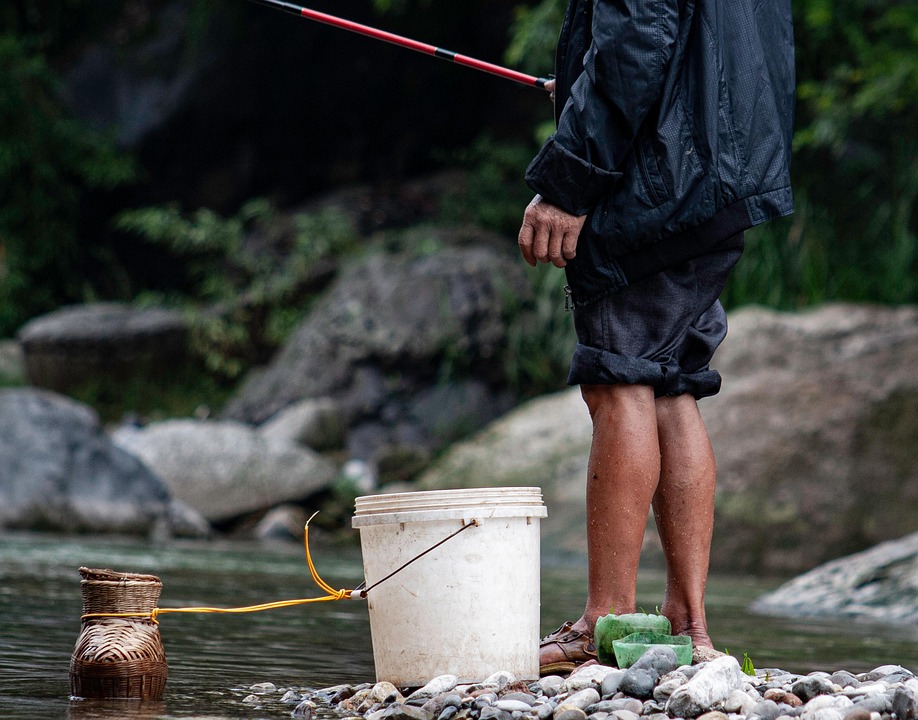
- Types of Freshwater Bodies: Lakes, rivers, ponds, and streams each hold different types of fish. Understanding where to fish based on species can improve your success rate.
- Fish Species: Familiarize yourself with common freshwater species such as bass, trout, catfish, and panfish. Each has unique habits and patterns that can be exploited.
- Seasons and Time of Day: Fish behavior changes with the seasons and time. Early mornings and late afternoons tend to be ideal times for fishing.
Choosing the Right Gear
One of the key elements of fishing success is having the right gear. As a beginner, investing in quality yet affordable equipment can greatly enhance your fishing experience.
Rods and Reels
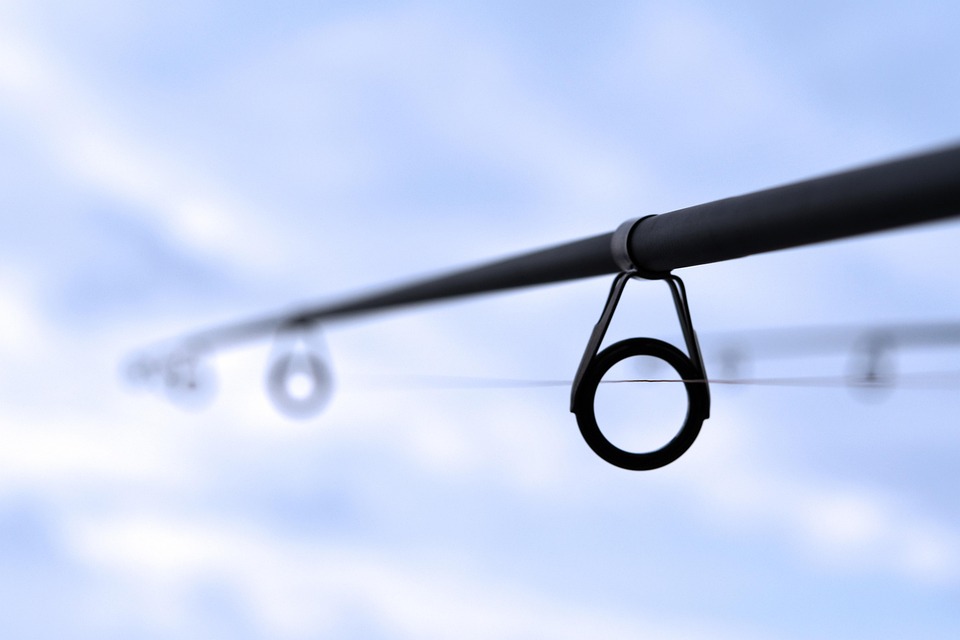
For beginners, a good all-around rod is essential. Consider a 6–7 foot spinning rod paired with a spinning reel. This combo is versatile and user-friendly. Look for the following when choosing:
- Material: Graphite rods offer sensitivity, while fiberglass rods provide sturdiness.
- Action: A medium action rod is an excellent choice for versatile fishing.
Line and Lures
Your fishing line will be your lifeline to the fish. For a beginner, a monofilament line rated between 8-12 lb test is ideal. In terms of lures:
- Spinnerbaits: Effective for catching bass in various conditions.
- Crankbaits: Mimic injured baitfish, drawing in predatory species.
- Live Bait: Worms, minnows, and insects can be highly effective and easy to use.
Learning the Skills
Once you’ve got your gear, it’s vital to learn the basic skills of freshwater fishing. Here are several critical techniques:
Cast Techniques
Practice your casting technique to improve distance and accuracy. The simplest method is:
- Hold the rod at a 45-degree angle with the line behind you.
- Quickly flick your wrist forward while releasing the line.
- Follow through with the rod to direct your lure towards your target.
Hooking and Landing Fish
Timing is crucial when hooking a fish. Feel for resistance and set the hook by pulling upward swiftly. Once hooked, use a smooth reeling action to bring the fish towards you.
Understanding Fish Behavior
Knowledge of fish behavior will boost your chances of a successful catch. Consider these factors:
Water Temperature
Warmer waters generally encourage fish to be more active. Check local temperatures before heading out to fish. Ideal ranges vary by species but typically fall between 60°F and 75°F.
Cover and Structure
Fish often seek out underwater structures — rocks, logs, and vegetation. Focus your efforts on these areas as they provide hiding spots and ambush points.
Safety Considerations
While fishing can be relaxing, it’s essential to prioritize safety. Here are some tips:
- Wear a Life Jacket: Always have life jackets on board, especially in boats.
- Sun Protection: Apply sunscreen and wear a hat and sunglasses to shield yourself from UV rays.
- Stay Hydrated: Bring plenty of water, especially during hot months.
Respecting the Environment
As a fisherman, it’s crucial to practice sustainable fishing. Always follow local regulations regarding limits and sizes. Focus on catch and release practices where appropriate to support fish populations.
Conclusion
Freshwater fishing is a rewarding outdoor activity that can foster a deep connection with nature. As a beginner, focus on understanding the basics of gear selection, essential skills, fish behavior, and environmental respect. With patience and practice, you can turn initial frustrations into a deep-seated passion for this age-old sport. Remember, fishing is as much about the experience as it is about the catch. Happy fishing!
FAQs
1. What is the best time of year to go freshwater fishing?
The best times for freshwater fishing often include spring and fall. During these seasons, fish are more active, and they’ll be biting more aggressively.
2. Do I need a fishing license?
Yes, in most regions, a fishing license is required to fish legally. Make sure to check local regulations to ensure compliance.
3. What bait should I use as a beginner?
Starting with live bait such as worms or minnows is often most effective. They attract a wide range of fish species and are easy to use.
4. How do I know where to fish?
Research local fishing reports, visit local tackle shops for advice, and scout the waters yourself to look for promising spots.
5. How can I tell if I’ve caught a fish?
You will feel a tug on the line or resistance when a fish bites. This is usually accompanied by some pulling action. When this occurs, it’s important to react quickly to set the hook!
- fishing bait tips
- fishing gear hacks
- fishing hacks
- fishing knot guides
- fishing knot techniques
- fishing knot tying
- fishing knots
- fishing knots for advanced
- fishing knots for beginners
- fishing leader knots
- fishing line knots
- fishing loop knots
- fishing lure tips
- fishing rig guides
- fishing rig hacks
- fishing rig setups
- fishing rig tips
- fishing rig tricks
- fishing rigs
- fishing strategies
- fishing techniques
- fishing tips
- fishing tips and tricks
- fishing tips for beginners
- fishing tips for experts
- fishing tips for freshwater
- fishing tips for saltwater
- fishing tips online
- fishing tricks
- fishing tricks for better catch











Leave a comment