

















Fly casting is more than just a technique; it’s an art form that combines grace, skill, and an understanding of the
natural world. Whether you are a seasoned angler or a novice heading to the water for the first time, mastering fly
casting can dramatically elevate your fishing experience. This article aims to explore various fly casting techniques, helping you improve your skills and find enjoyment in the process.
Understanding the Fundamentals of Fly Casting
At its core, fly casting involves the use of specialized rods and lines to deliver artificial flies to fish. The
foundation rests on three key components: the rod, the line, and the fly. Understanding how these elements work
together is crucial for successful casting.
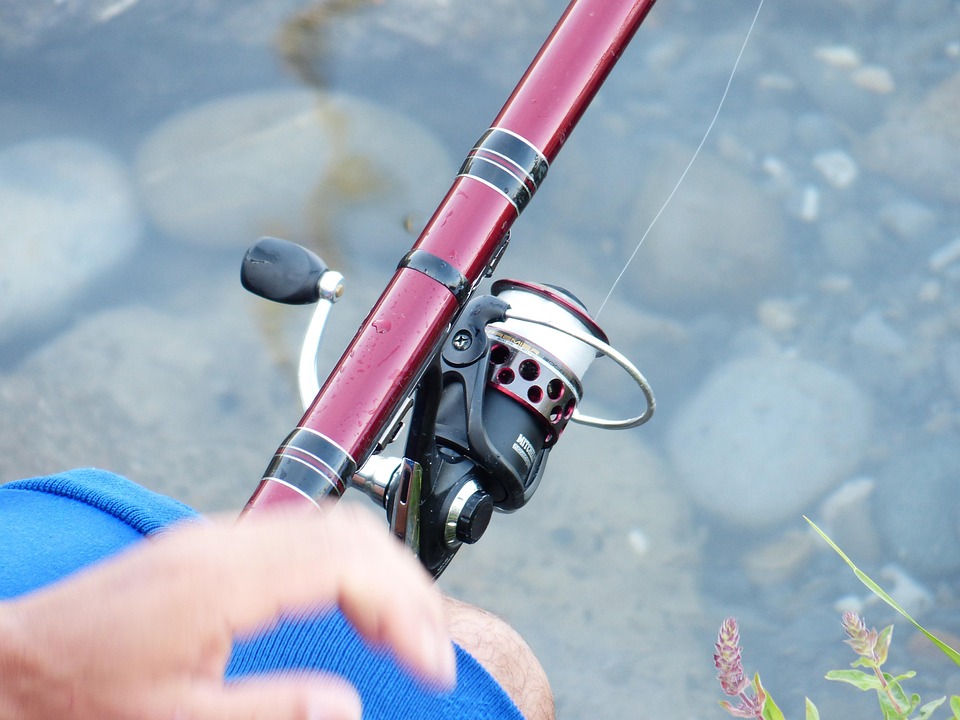
The Fly Rod
A fly rod is designed to cast a lightweight line with precision. The length and weight of the rod influence your
casting style. A longer rod enables longer casts, while a shorter rod offers greater control in tight spaces. The
action of the rod—whether it’s slow, medium, or fast—also dictates how the line is loaded and unloaded during the
cast.
The Fly Line
The fly line is heavier than the leader and tippet combined, allowing it to carry the fly to the target area.
Understanding line weight is essential, as it must match the rod for optimal performance. Fly lines come in
various taper styles, from weight-forward to double-taper, and each type serves a specific purpose in casting.
The Fly
The fly—a simulation of an insect, baitfish, or other prey—is the final piece of the puzzle. Each fly has its
own characteristics and sink rate, so understanding your target species and the conditions can influence your
choice. Whether you are casting a dry fly that floats on the surface or a sinking nymph, knowing how to present the
fly is critical.
Basic Casting Techniques
There are several core casting techniques that all anglers should master. These methods provide the foundation
for more advanced casting styles.
1. The Overhead Cast
The most common method for delivering a fly to the water is the overhead cast. It involves using a smooth,
controlled motion to bring the rod back and then forward, propelling the line. To perform an overhead cast:
- Stand with your feet shoulder-width apart, facing your target.
- Hold the rod with a relaxed grip, using your dominant hand.
- Pull back the rod to about 2 o’clock while keeping your elbow steady.
- Quickly flick your wrist and push the rod forward to 10 o’clock, releasing the line at the peak of your
forward motion.
2. The Roll Cast
Ideal for situations where backcasting is restricted, the roll cast allows you to cast without moving the line
behind you. This technique uses the momentum and inertia of the line to move forward. Here’s how to execute a roll
cast:
- Start with the line on the water in front of you, keeping a small amount of slack.
- Raise the rod tip with a smooth motion until it’s about eye level.
- With a flick of your wrist, push the rod forward, causing the line to roll off the water and over your
target area.
3. The Sidearm Cast
The sidearm cast is useful for low ceilings or when casting upstream in a river. It involves casting at a
horizontal plane, making it ideal for tight quarters:
- Position yourself sideways to the target with your non-dominant shoulder facing it.
- Pull the rod back to your side, keeping it at waist level.
- Flick your wrist while smoothly bringing the rod forward, releasing the line as it reaches the target
area.
Advanced Casting Techniques
Once you have mastered the basic techniques, you can venture into advanced casting styles that can improve your
casting precision and distance.
1. The Double Haul
The double haul increases line speed, which can help you achieve greater distances. This technique utilizes
two pulls of the line during the backcast and forward cast:
- As you begin your backcast, use your non-dominant hand to pull the line downwards.
- Once the rod reaches its peak, quickly release the haul and flick the rod forward.
- Repeat the haul during the forward cast to maximize distance.
2. The Shooting Head Cast
This casting technique is advantageous in saltwater or situations where you need to cover a large distance.
- Start by placing the shooting head line on the water, with the rod tip low.
- With a swift pull, shoot the line forward while following through with your cast.
- Utilize your body’s rotation to generate maximum power and distance.
3. The Spey Cast
Originating from Scotland, the Spey cast is excellent for fishing in rivers with little space for backcasting.
It allows the angler to cast without moving the line behind them:
- Position your rod at a 45-degree angle upstream.
- Bring your rod down and then quickly up, moving the line across the surface of the water.
- Perform a forward cast while keeping the rod in motion—this helps to turn over the line and fly.
Tips for Perfecting Your Cast
While mastering techniques is crucial, refining your casting also involves developing good habits and avoiding
pitfalls.
Practice Quality Over Quantity
Rather than spending hours repetitively casting, focus on quality. Work on specific techniques and pay attention
to your form. Use a mirror or record yourself to identify areas for improvement.
Watch the Line, Not the Rod
Develop your ability to observe the line while casting. The line’s movement will indicate your casting
success. Ideally, a well-cast fly should travel in a straight line, create a tight loop, and present softly on
the water.
Use a Target
When practicing, use visual targets to improve your accuracy. Practice casting to a specific spot on the
water, and gradually increase the distance as your skill improves.
Conclusion
Mastering the art of fly casting involves patience, practice, and a willingness to learn. Understanding the
nuances of your equipment and implementing the various techniques can take your angling skills to new heights.
Whether you are fly fishing in a serene mountain stream, battling the surf in saltwater, or casting for trophy
fish in expansive lakes, the ability to cast effectively is integral to your success. With consistent effort and
focused practice, you will find joy not only in catching fish but also in the rhythm and artistry of fly casting.
Frequently Asked Questions (FAQs)
1. How long does it take to master fly casting?
The timeline varies based on your dedication and practice frequency. Many find significant improvement within a few weeks, while mastery can take years.
2. Do I need professional lessons to learn fly casting?
While professional lessons can provide invaluable insights, many self-taught anglers succeed by leveraging instructional videos and books.
3. What equipment is necessary for beginners?
A basic fly rod, fly reel, floating line, and a few flies suited for your local waters are essential. Investing in quality gear enhances your learning experience.
4. Is fly casting only effective for fishing?
While primarily designed for fishing, fly casting can also be an enjoyable practice activity. Many anglers engage in casting for relaxation and skill development.
5. Can I practice fly casting without a body of water?
Yes! You can practice casting in open fields or backyards. Just ensure there’s ample space to avoid obstacles and breakables.
- advanced fly fishing
- bass fly fishing
- dry fly fishing
- fly casting techniques
- fly fishing
- fly fishing destinations
- fly fishing flies
- fly fishing for beginners
- fly fishing gear
- fly fishing guides
- fly fishing reels
- fly fishing rivers
- fly fishing rods
- fly fishing species
- fly fishing techniques
- fly fishing tips
- fly tying
- fly tying patterns
- freshwater fly fishing
- lake fly fishing
- nymph fishing
- river fly fishing
- salmon fly fishing
- saltwater fly fishing
- steelhead fly fishing
- stream fly fishing
- streamer fishing
- trout fly fishing
- wet fly fishing
- worldwide fly fishing











Leave a comment