











River fishing is more than just a pastime; it’s a connection to nature that many enthusiasts cherish. The gentle sound of the flowing water, the serene environment, and the thrill of catching a fish create a compelling experience. Whether you are a novice or an experienced angler, understanding the intricacies of river fishing can enhance your success rate and enjoyment. In this guide, we’ll explore essential tips, tricks, and techniques to make your river fishing adventure a memorable one.
1. Understanding River Ecosystems
Before casting your line, it’s crucial to comprehend the river ecosystem. Rivers are home to various fish species, each with its own habitat preferences. Common species include:
- Trout: Preferring cooler, oxygen-rich waters, trout thrive in clean streams and rivers with vegetation.
- Bass: Found in warmer waters, bass often hide around structures like rocks, logs, and vegetation.
- Panfish: Species such as bluegill favor warmer waters and are often found around submerged structures.
- Catfish: Typically bottom feeders, catfish are found in deeper pools and areas with slow-moving currents.
2. Choosing the Right Gear
Your fishing gear will significantly impact your success. Consider these key components:
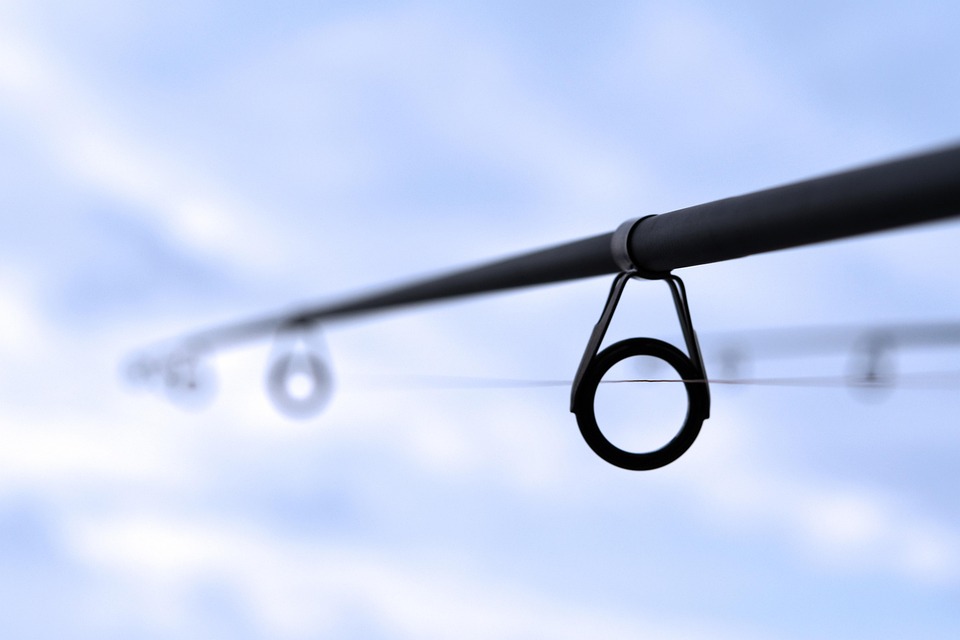
- Fishing Rod: A medium-action rod between 6 to 7 feet is ideal for river fishing, offering flexibility and control.
- Reel: Spinning reels are widely favored, as they accommodate various line weights and make casting effortless.
- Fishing Line: A monofilament line is suitable for most river fishing, with a test strength of 6 to 12 pounds.
- Hooks and Baits: Use hooks tailored to your target fish and live bait like worms, minnows, or artificial lures.
3. Best Techniques for River Fishing
Mastering fishing techniques can significantly increase your chances of landing a catch. Here are some proven methods:
Drift Fishing
Drift fishing leverages the river’s current to present your bait naturally. Cast upstream and allow your bait to drift downstream, mimicking the natural movement of prey.
Bottom Fishing
For species like catfish, this technique involves letting your bait sink to the bottom. Use a sinker to ensure your bait stays submerged and is more likely to attract bottom feeders.
Streamers and Nymphing
If targeting trout, consider using streamers or practicing nymphing. The former involves casting artificial flies that mimic larger prey, while the latter requires presenting underwater flies to match aquatic larvae.
4. Understanding River Conditions
Weather and current conditions greatly affect fish behavior. Here are key factors to consider:
- Water Temperature: Fish are more active in warmer waters, typically between 60°F to 75°F, depending on species.
- Flow Rate: Fast-flowing areas can push fish into slower currents where they feel more secure, whereas low flow may lead to scattered fish.
- Weather Patterns: Overcast days can enhance fishing because fish are more likely to venture out of their hiding spots.
5. Selecting the Right Location
Finding the best fishing spots in a river can be the difference between a successful trip and a frustrating day. Here are some prime locations to explore:
- Pools: Deeper sections where fish tend to rest and conserve energy.
- Riffles: Shallow, fast-flowing water where fish feed on the surface or just below.
- Cut Banks: Areas where the bank has eroded, creating structure and providing cover for fish.
6. Conservation and Ethics
As lovers of the outdoors, anglers have a responsibility to maintain the river environment. Follow these conservation tips:
- Practice “Catch and Release” to help sustain fish populations.
- Clean up after your fishing trips to minimize pollution.
- Adhere to local fishing regulations regarding size and species limits.
Conclusion
River fishing offers a unique opportunity to engage with nature and unwind from the hustle of everyday life. By understanding river ecosystems, choosing the right gear, mastering various fishing techniques, and being mindful of river conditions, you can greatly enhance your fishing success. Above all, remember the importance of conservation and ethical fishing practices to ensure that generations to come can enjoy the same experience.
FAQs
1. What is the best time of day to fish in rivers?
The early morning and late afternoon are typically the best times, as fish are more active during these cooler parts of the day.
2. Do I need a fishing license to fish in rivers?
Yes, most regions require a fishing license. Check local regulations for specific requirements.
3. What bait works best for river fishing?
Commonly effective baits include worms, minnows, and artificial lures. The choice depends on the species you’re targeting.
4. How do I know where to cast my line?
Look for structures, such as rocks, submerged trees, and deep pools; these are often excellent spots to catch fish.
5. What should I bring along when river fishing?
In addition to your fishing gear, bring snacks, plenty of water, sunblock, and a first-aid kit. A comfortable chair and a hat can make your experience more enjoyable.
- bass fishing
- Bluegill Fishing
- carp fishing
- catfish fishing
- Crappie Fishing
- freshwater angling
- freshwater bait fishing
- freshwater fishing
- freshwater fishing gear
- freshwater fishing guides
- freshwater fishing species
- freshwater fishing techniques
- freshwater fishing tips
- freshwater fly fishing
- freshwater spinning fishing
- inland fishing
- lake fishing
- lakes fishing
- largemouth bass fishing
- muskie fishing
- panfish fishing
- Perch Fishing
- pike fishing
- pond fishing
- reservoir fishing
- reservoirs fishing
- river fishing
- rivers fishing
- Salmon Fishing
- smallmouth bass fishing
- stream fishing
- Tilapia Fishing
- Trout Fishing
- Walleye Fishing











Leave a comment