









Popping fishing, a dynamic and exhilarating form of angling, has found its way into the hearts of many fishing enthusiasts around the world. This technique involves the use of “popping lures,” which create a distinctive splashing sound on the water’s surface, enticing predatory fish to strike. Though it may seem relatively straightforward, popping fishing is a sophisticated art tempered by scientific understanding, revealing the nuances of the aquatic environment and fish behavior.
The Appeal of Popping Fishing
One of the most captivating aspects of popping fishing is the sheer excitement it offers. There’s nothing quite like the drama of a massive fish breaching the surface, propelled by instinct and the allure of a brightly colored lure. Enthusiasts claim that part of the thrill lies in the anticipation of each strike, punctuated by the unmistakable sound of a popper being pulled through the water.
Moreover, popping fishing serves as a convergence of art and technique. Captivating color designs, patterns, and sizes of lures reflect the fisherman’s artistic tendencies, while the actual technique of casting, retrieving, and timing requires skill and scientific acumen.
The Science Behind Popping Fishing
The success of popping fishing hinges on a fundamental understanding of fish behavior. Predatory fish, such as tuna, mahi-mahi, and marlin, are instinctively drawn to distress signals that suggest the presence of prey. When beads and internal weights within popping lures are swiftly retrieved, they create the telltale “pop” sound—acting as an acoustic beacon for fish navigating through their aquatic realms.
This behavior ties into the broader scientific understanding of piscatorial anatomy and physiology. For example, many predatory fish possess acute hearing, enabling them to detect minute vibrations in water. Scientists have demonstrated that fish utilize their lateral lines—line-like sensory organs running along their sides—to perceive changes in water pressure and movement, allowing them to hone in on potential prey.
Choosing the Right Gear
Just as music requires the right instruments, so does popping fishing demand appropriate gear. Here’s a breakdown of essential equipment:
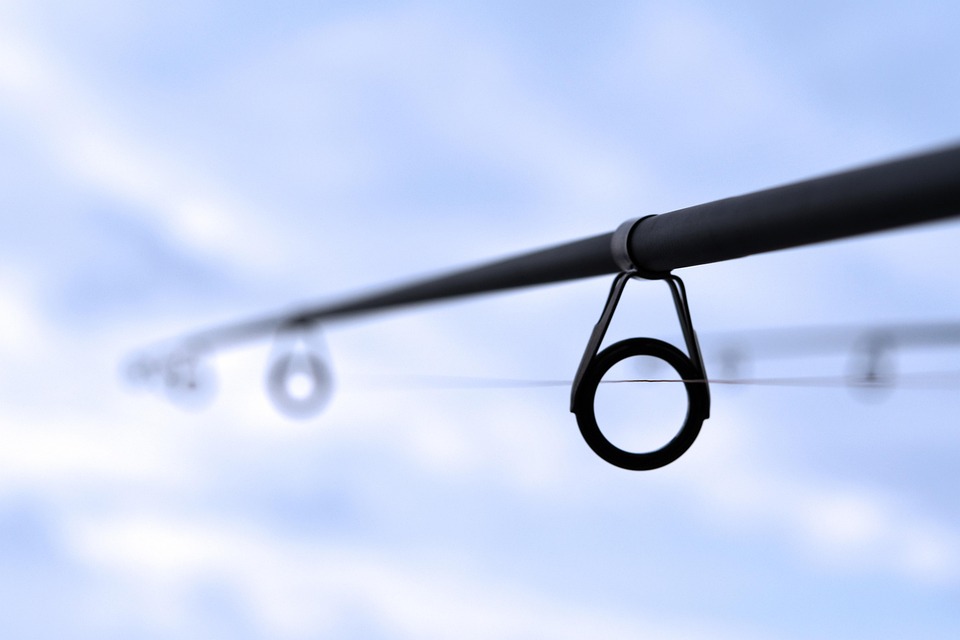
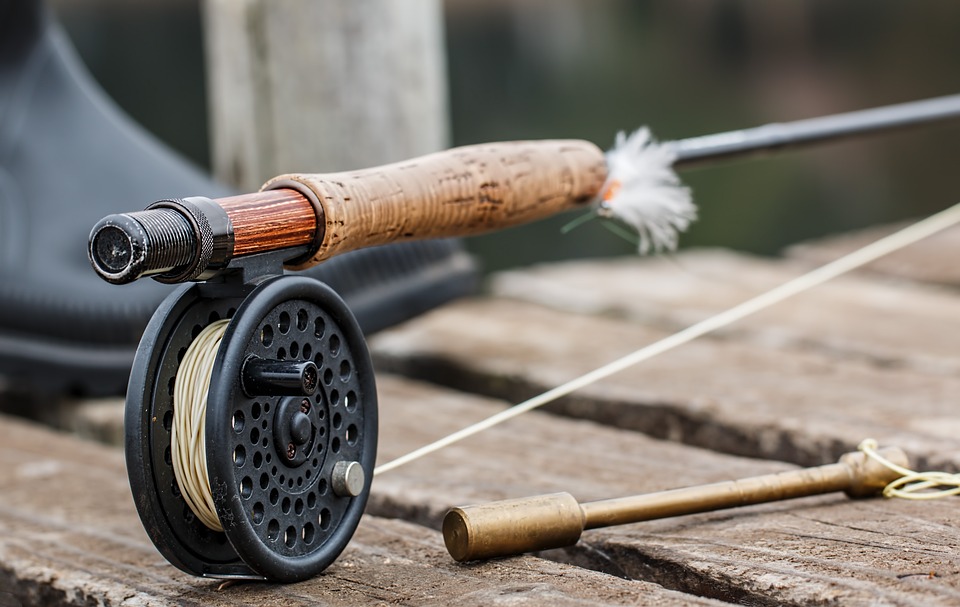
- Rods: A conventional popping rod should be sturdy yet flexible, typically ranging from 6.5 to 9 feet in length, allowing for effective casting distance without sacrificing control.
- Reels: A reel with a high gear ratio is essential for quick retrievals. Conventional reels are popular, especially for larger species.
- Line: Braided line is preferred due to its minimal stretch and superior sensitivity, which ensures the angler can detect even the slightest nibbles.
- Leaders: A strong fluorocarbon leader can help prevent break-offs, as the sharp teeth of many saltwater fish can easily sever weaker lines.
- Popping Lures: These lures come in various sizes, shapes, and colors, allowing anglers to mimic local baitfish and respond to prevailing conditions.
Mastering the Technique
Mastering the art of popping fishing requires practice and precision. Here are some essential techniques every angler should know:
- Timing and Retrieval Speed: The key to an effective retrieve lies in the timing of the popping action. A sudden rip followed by a steady pull can simulate the frantic escape of a baitfish, drawing strikes from lurking predators.
- Popping Rhythm: Varying the rhythm and intensity of pops can further entice fish. A consistent pop can be effective, but occasionally introducing pauses can create an enticing cadence that piques curiosity.
- Positioning: Cast toward areas where fish are likely to be found—around reefs, submerged rocks, and floating debris. Understanding the habitat and behavior of target species can significantly impact success.
Environmental Considerations
As with all fishing practices, ethical considerations play a crucial role. Popping fishing is not exempt from environmental responsibility, and responsible anglers must be mindful of preserving marine ecosystems. Sustainable practices such as catch-and-release, selective targeting, and respecting regulations contribute to the preservation of fish populations.
Conveying awareness surrounding overfishing underscores the importance of adopting eco-friendly approaches. Fishing techniques must evolve as environmental conditions change, reinforcing the need for education concerning sustainable fishing practices. Anglers are encouraged to participate in local conservation efforts to ensure the future of marine life.
Global Perspectives on Popping Fishing
While popping fishing has gained popularity in countries like Japan and the United States, regions like Southeast Asia, the Caribbean, and the South Pacific are hotbeds for this exciting angling technique. Each locale offers unique species and challenges:
- Japan: Known for its sophisticated gear and techniques, Japanese anglers emphasize finesse and precision.
- Australian Coastlines: Australian waters boast a plethora of game fish, with popping fishing being a popular way to target species like giant trevally.
- Caribbean Waters: The warm, vibrant waters provide ideal conditions for popping anglers, with an array of reef species ready to put up a fight.
Stories from the Water
No article on popping fishing would be complete without touching upon shared stories—fishermen and women gather worldwide to recount their battles with leviathans of the deep. From tales of break-offs amidst ferocious takes, to struggles against the elements, these narratives forge a bond among anglers. Social media platforms, fishing forums, and local clubs have become stages for sharing tips, successes, and even valuable lessons learned from heartbreaks.
Conclusion
In summary, popping fishing is a thrilling pursuit that intertwines art and science into a captivating experience. The exhilaration of watching a fish explode on the surface, coupled with the understanding of marine life and ecology, enriches the fishing experience. Whether you are an experienced angler or a curious novice, popping fishing invites adventurers into a world where each cast is a call to action—a call to respect, engage with, and cherish the wonders of our aquatic environments.
FAQs
1. What is the best time to go popping fishing?
The best time for popping fishing often coincides with early mornings and late evenings, although this can vary by region and target species. Knowledge of local tides and moon phases can further enhance your chances of success.
2. Are there specific weather conditions ideal for popping fishing?
Calm to moderately choppy waters are usually preferred. Light wind can help create surface disturbances that may encourage fish to strike, while harsh weather might make fishing challenging.
3. What fish species can be targeted using popping lures?
Popping lures are effective for various predatory species such as tuna, marlin, sailfish, mahi-mahi, and giant trevally, among others.
4. Do I need a fishing license for popping fishing?
Yes, most regions require a fishing license for angling activities, including popping fishing. Always check local regulations to ensure compliance.
5. Is popping fishing suitable for beginners?
Absolutely! While it may take some practice to master the technique, popping fishing can be enjoyed by beginners with proper guidance and instruction.
- advanced fishing techniques
- artificial bait fishing
- bait fishing
- boat fishing methods
- casting fishing
- deep sea fishing techniques
- drift fishing
- fishing knots techniques
- fishing methods
- fishing methods for beginners
- fishing rigs methods
- fishing strategy tips
- fishing techniques
- fly fishing techniques
- freshwater fishing techniques
- inshore trolling
- jigging fishing
- live bait fishing
- lure fishing methods
- modern fishing techniques
- offshore trolling
- popping fishing
- professional fishing methods
- saltwater fishing techniques
- shore fishing methods
- slow jigging
- spinning fishing
- topwater popping
- trolling fishing
- vertical jigging










Leave a comment