













In recent years, predator fishing has surged in popularity among angling enthusiasts—offering not just the promise of a big catch, but also the thrill of adventure, connection with nature, and a chance to test one’s skills against some of the fiercest species in freshwater and saltwater environments. With its unique blend of excitement and challenge, predator fishing is rapidly captivating both seasoned anglers and newcomers alike. This article explores the adrenaline-pumping world of predator fishing adventures, from the techniques employed to the locations that offer the best chances of catching these formidable fish.
The Allure of Predator Fishing
So, what is it about predator fishing that draws so many people in? At its core, predator fishing is an exhilarating form of angling where the focus is on catching predatory species such as pike, musky, bass, catfish, and even sharks. These fish are not just larger than their prey but also possess remarkable strength and tenacity, making the fight to land them an unforgettable experience.
Moreover, predator fishing is a game of skill as much as a test of patience. It requires an understanding of fish behavior, effective lure presentation, and the application of various fishing techniques, such as trolling, casting, and fly fishing. Whether you’re chasing after the elusive striped bass in coastal waters or pursuing the mighty pike in northern lakes, every outing presents a unique challenge to overcome.
Choosing Your Adventure: Locations and Species
Freshwater Hotspots
When it comes to freshwater predator fishing, several locations stand out in the fishing community:
- Lake of the Woods, Minnesota: Known for its extensive waterways, Lake of the Woods offers abundant species, including walleye, northern pike, and musky. Its vastness allows anglers the freedom to explore and seek their prize catch.
- Thousand Islands, New York: Situated along the St. Lawrence River, the Thousand Islands provides a fertile habitat for bass and pike. Anglers flock here during the warm months to take part in bass tournaments, drawn by the promise of hefty catches.
- Clearwater Lake, Florida: A year-round fishing destination, Clearwater Lake is famous for both freshwater and saltwater predators, making it a versatile spot for anglers seeking variety, including largemouth bass and catfish.
Saltwater Sanctuaries
For those who prefer the challenging waves of the ocean, several saltwater locations offer thrilling predator fishing experiences:
- Florida Keys: Known as the “Fishing Capital of the World,” the Keys are a paradise for anglers. Here, the chances of reeling in species like tarpon, snook, and shark are high, offering both excitement and dramatic landscapes.
- Outer Banks, North Carolina: This stretch of coastline is renowned for its rich fishing grounds, and during migration seasons, anglers can catch some of the most challenging species like blue marlin and large tuna.
- Costa Rica: Famous for its diverse marine life, Costa Rica attracts anglers from around the globe. Here, you can target species such as roosterfish and sailfish in some of the clearest waters on earth.
Techniques for Success
Mastering the art of predator fishing requires a solid grasp of various techniques, ensuring you’re prepared for any situation. Here are some tried-and-true methods:
1. Trolling
Trolling is an effective method for covering large areas of water. Employing a combination of lures at different depths allows anglers to target fish that may be lurking at various levels. This technique is particularly effective for catching larger saltwater species.
2. Casting
For the angler who enjoys a more hands-on approach, casting can be highly rewarding. Using topwater lures or spinnerbaits, anglers can imitate the movement of prey, enticing predatory fish to strike.
3. Live Bait Fishing
Utilizing live bait can often increase your chances of a successful catch. Utilizing small live fish or cut bait allows anglers to harness the natural instincts of predatory fish, creating a more enticing presentation.
4. Fly Fishing
For those who prefer a more traditional approach, fly fishing offers a unique thrill. The challenge of casting lightweight flies designed to mimic struggling prey can provide some of the most exhilarating moments on the water.
The Experience
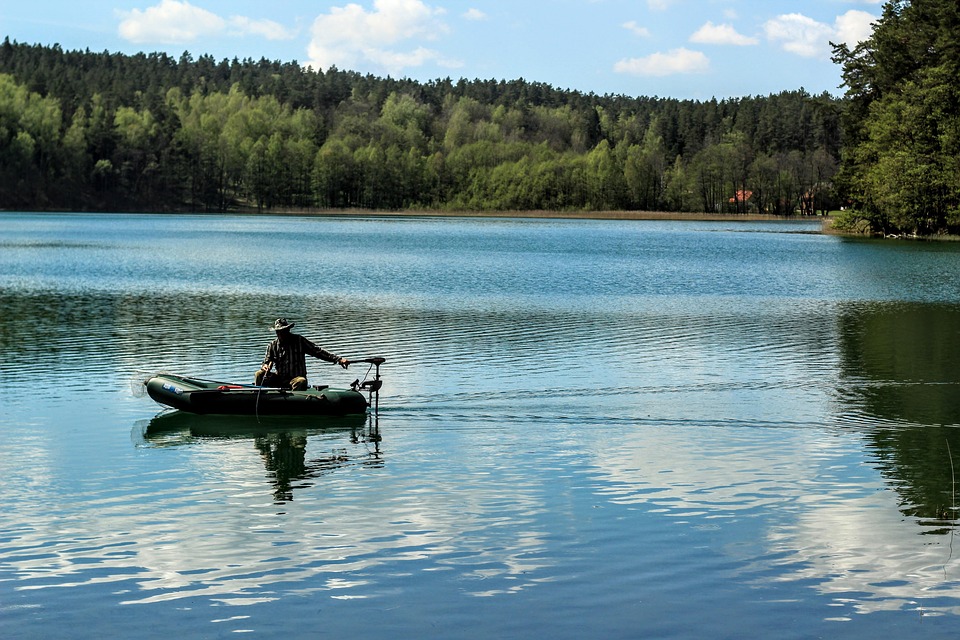
While catching a trophy fish is a significant part of the adventure, the experience goes beyond just landing that elusive catch. Many anglers cherish the moments spent in nature—the early morning tranquility on a misty lake or the exhilarating rush of the waves in the ocean. The camaraderie built during fishing trips, be it with friends, family, or newfound connections, is an equally satisfying aspect of the sport.
Additionally, predator fishing fosters a greater appreciation for the ecosystems that support these incredible species. Anglers are often awed by the beauty of their surroundings, leading to increased awareness of conservation efforts and the importance of sustainable fishing practices.
Safety and Ethics
As with any outdoor adventure, safety should always be a priority. Ensuring that you have the appropriate gear, life jackets, and knowledge of local regulations is essential for a successful outing. Equally important is understanding ethical fishing practices. Promoting catch-and-release techniques, respecting size and bag limits, and minimizing ecological impact should always be at the forefront of an angler’s mind.
Conclusion
The world of predator fishing presents an unmatched level of excitement, skill, and connection to nature. As anglers journey through various landscapes—whether serene lakes or wild ocean waves—they encounter thrilling challenges and the opportunity to build lasting memories. Such adventures not only provide the thrill of the catch but also cultivate a deeper appreciation for aquatic ecosystems. So gear up, get out there, and embrace the excitement of the chase—there’s a whole world of predator fishing waiting to be explored!
FAQs
1. What equipment do I need for predator fishing?
Essential equipment includes a sturdy rod and reel suitable for the specific species you’re targeting, strong fishing line, various lures or live bait, and safety gear like life jackets.
2. Is predator fishing suitable for beginners?
Yes! While it can be challenging, beginners can learn from experienced anglers through guided trips or fishing courses that not only teach fundamentals but also boost confidence on the water.
3. What are the best times to go predator fishing?
Early morning and late evening are often considered prime times for predator fishing, as many species are more active during these hours. Seasonal factors also play a significant role in fish behavior.
4. Are there specific regulations for predator fishing?
Yes, fishing regulations can vary by location and species. Always check local guidelines regarding size limits, bag limits, and seasonal restrictions to ensure a responsible and legal fishing experience.
5. Can I practice catch-and-release?
Absolutely! Many anglers practice catch-and-release to protect fish populations and ecosystems. It’s important to handle fish carefully and minimize stress to increase their chances of survival after being released.
- advanced predator fishing
- aggressive fish fishing
- barracuda fishing
- barracuda lure fishing
- freshwater predator fishing
- large predator fishing
- muskie fishing
- muskie lure fishing
- pike fishing
- pike lure fishing
- predator angling
- predator fishing
- predator fishing baits
- predator fishing destinations
- predator fishing for beginners
- predator fishing gear
- predator fishing guides
- predator fishing lures
- predator fishing reels
- predator fishing rigs
- predator fishing rods
- predator fishing seasons
- predator fishing spots
- predator fishing tactics
- predator fishing techniques
- predator fishing tips
- predatory fish fishing
- saltwater predator fishing
- zander fishing
- zander jigging










Leave a comment