





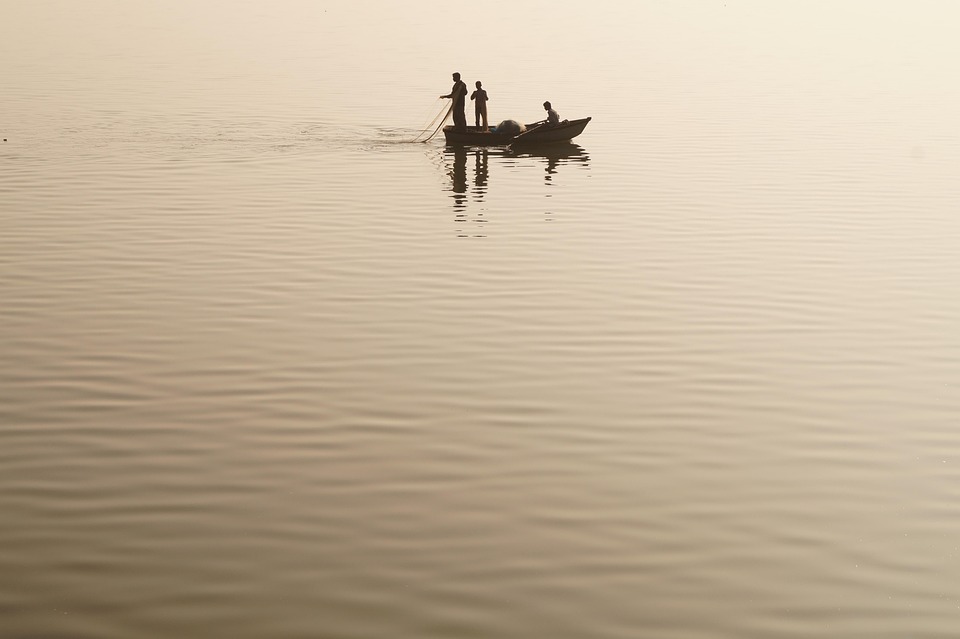




Offshore fishing has long been a beloved pastime for those seeking the thrill of reeling in big catches and the serenity of the open sea. Whether you are a seasoned angler or a novice looking to cast your first line, understanding the various fishing seasons can significantly improve your fishing success and enhance your overall experience.
The Allure of Offshore Fishing
Offshore fishing offers a unique blend of adventure and tranquility. Unlike shore or inshore fishing, which often limits anglers to smaller species, offshore fishing opens the door to a variety of larger species such as marlin, tuna, and mahi-mahi. The open ocean also provides beautiful, unspoiled waters that are home to breathtaking marine life and stunning landscapes.
Understanding Fishing Seasons
Every species of fish has its own migratory patterns and breeding cycles, which are largely influenced by changes in water temperature, currents, and environmental factors. Understanding these patterns is crucial for planning your offshore fishing trips. The following seasonally favorable conditions can help improve your catch rates.
Spring: The Awakening
As the cold of winter gives way to the warmth of spring, fish become more active and begin their spawning cycles. This is an optimal time for anglers to target species that are returning to shallower waters.
- Tuna: Bluefin tuna start moving into warmer waters, making them a prime target.
- Marlin: Sailfish and blue marlin are often found in warmer temperatures.
Summer: The Prime Time
Summer is considered the high season for many offshore fishing species. Water temperatures reach their peak, and fish populations are abundant.
- Dorado (Mahi-Mahi): These colorful fish thrive in warmer waters, making them a popular catch during summer.
- Yellowfin Tuna: With schools congregating, yellowfin tuna become easier to catch.
Make sure to hit the water early and plan trips to avoid the midday heat, which can affect both the fish and your comfort level.
Fall: The Transition
As temperatures begin to drop, fish behave differently, often gathering in larger schools. This can lead to fantastic catches, especially of species migrating before winter.
- This is a great time for: Wahoo and swordfish, which are both more active in cooler waters.
- Striped Bass: These fish migrate in larger numbers during fall.
Winter: The Quiet Season
While many might think ice fishing at this time of year, certain offshore species are still available depending on your location. Warmer regions where the winter chill doesn’t set in can provide ample opportunity for fishing.
- King Mackerel: These fish can be caught in southern waters during the winter months.
- Grouper and Snapper: These bottom-dwellers are great targets for anglers willing to brave the colder temperatures.
Essential Gear for Offshore Fishing
Equipping yourself with the right gear is essential for a successful offshore fishing adventure. Here’s what you’ll need:
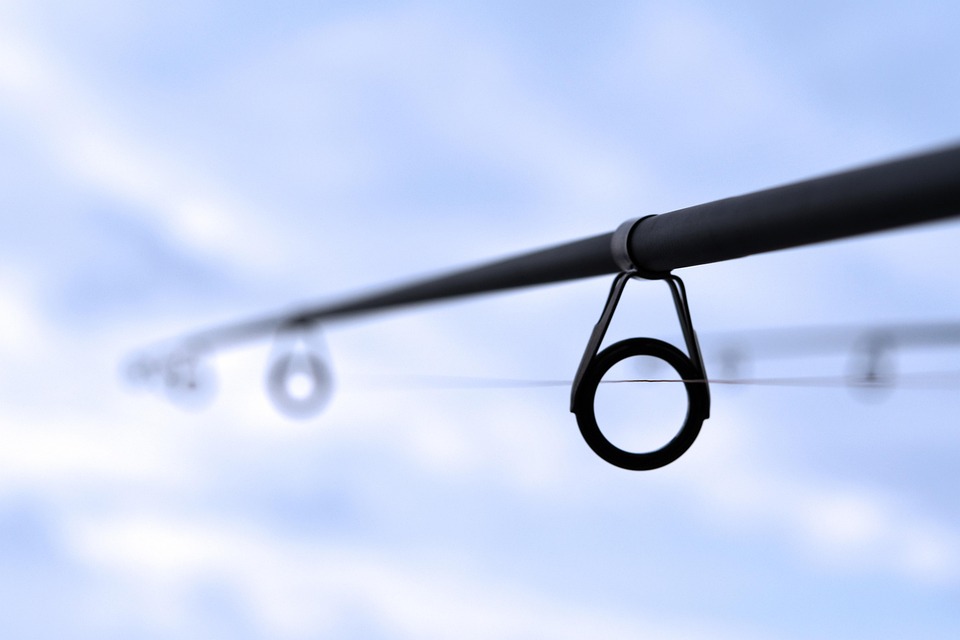
- Rod and Reel: A sturdy rod and a reel with adequate drag capacity are crucial for handling larger fish.
- Line: Use a heavy-duty braided line for strength and durability.
- Terminal Tackle: Ensure you have the right hooks, sinkers, and leaders specific to the species you’re targeting.
- Safety Gear: Always carry life jackets, a first aid kit, and emergency communication devices.
Best Locations for Offshore Fishing
Choosing the right location can make all the difference in your fishing experience. Here are some renowned offshore fishing hotspots:
- Florida Keys, USA: Known for its diverse marine life and year-round fishing opportunities.
- Guatemala: Famous for its sailfish and billfish catches.
- Great Barrier Reef, Australia: Offers a vast range of species, including tuna and marlin.
- Bahamas: Known for its clear waters and abundance of reef fish.
Fishing Techniques for Success
Different fishing techniques can be employed depending on the species and conditions. Here are some popular methods for offshore fishing:
1. Trolling
A common technique used for catching larger pelagic fish like tuna and marlin. Trolling involves pulling baited lines behind a moving boat, enticing fish to strike.
2. Bottom Fishing
This method targets fish that dwell near the ocean floor, such as snapper and grouper. Use heavier tackle and drop baits directly to the bottom.
3. Live Bait Fishing
Using live bait can attract larger predatory fish. Ensure you have a steady supply of live bait fish, which you can catch or purchase beforehand.
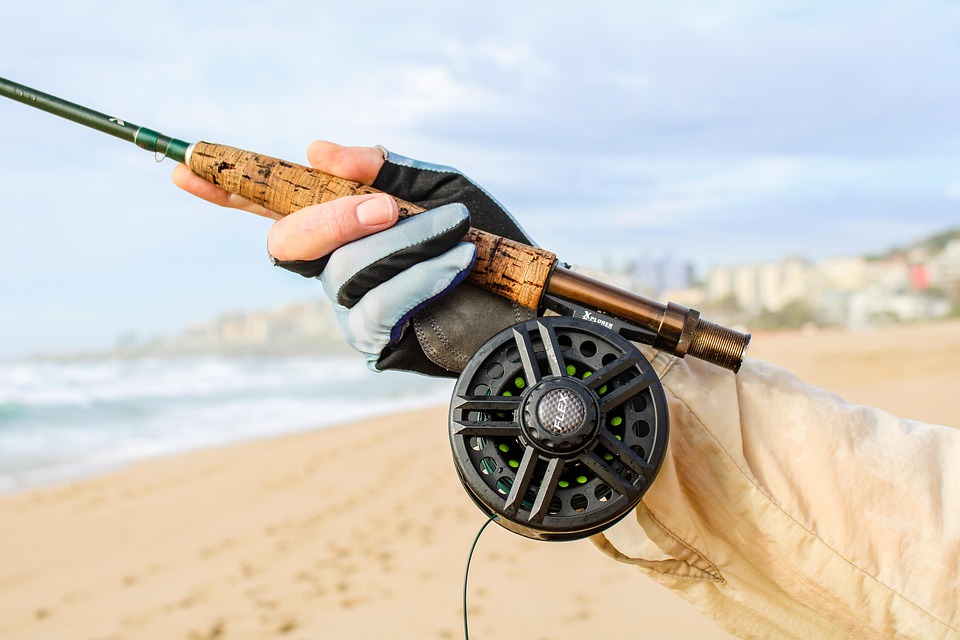
4. Fly Fishing
An exciting and challenging method suitable for catching species like bonefish and tarpon. This requires specialized equipment and techniques.
Fishing Etiquette and Conservation
As anglers, it is essential to practice responsible fishing. Here are some tips:
- Follow local fishing regulations and seasonal guidelines.
- Practice catch and release whenever possible.
- Minimize your impact on marine ecosystems.
- Respect fellow anglers and share the waters.
Conclusion
Offshore fishing offers endless adventures with the promise of big catches and unforgettable memories. By understanding the fishing seasons, preparing with the right gear, and employing effective techniques, you can significantly enhance your success on the water. Whether you’re after the thrill of a marlin or the tranquility of the open sea, there’s no better time than now to cast your line into the horizon. So, gather your gear, pick a season, and embark on your offshore fishing journey!
FAQs
What is the best time of year for offshore fishing?
The best time varies by location and target species. Generally, late spring to summer is the peak season for many offshore species.
Do I need a fishing license for offshore fishing?
Yes, a fishing license is typically required for offshore fishing. Regulations vary by state or country, so be sure to check the local guidelines.
What should I bring on an offshore fishing trip?
Some essentials include a fishing rod and reel, tackle, safety equipment, food and drinks, sunscreen, and weather gear.
Are there guided offshore fishing trips available?
Yes, many areas offer guided fishing charters, which can be a great option for beginners or those unfamiliar with the local waters.
How do I choose the right fishing boat for offshore fishing?
Select a boat that is sturdy and designed for deep-sea conditions. Common types are center console and cabin cruisers, which provide the necessary space and stability for fishing.
- bait fishing seasons
- bass fishing seasons
- best fishing times
- bluegill fishing seasons
- carp fishing seasons
- catfish fishing seasons
- crappie fishing seasons
- fishing seasons
- fly fishing seasons
- inshore fishing seasons
- jigging seasons
- marlin fishing seasons
- muskie fishing seasons
- offshore fishing seasons
- panfish fishing seasons
- pike fishing seasons
- popping seasons
- sailfish fishing seasons
- salmon fishing seasons
- seasonal fishing for beginners
- seasonal fishing guides
- seasonal fishing guides worldwide
- seasonal fishing strategies
- seasonal fishing tips
- shark fishing seasons
- spinning fishing seasons
- trolling seasons
- trout fishing seasons
- tuna fishing seasons
- walleye fishing seasons
- zander fishing seasons











Leave a comment