










Bluegill fishing is more than just a sport; it is a celebration of nature and a connection to the culinary delights of the water. The bluegill sunfish (Lepomis macrochirus) is one of North America’s most abundant freshwater fish, cherished for its accessibility and surprisingly excellent flavor. Anglers, both novice and experienced, have long sought out this feisty fish, but the journey from pond to plate is what truly makes the experience memorable.
The Allure of Bluegill Fishing
Bluegills are found in a variety of freshwater habitats, from ponds to rivers and lakes. Their widespread availability makes them a popular target for families, beginners, and seasoned anglers alike. But what is it about bluegill fishing that captures the hearts of so many?
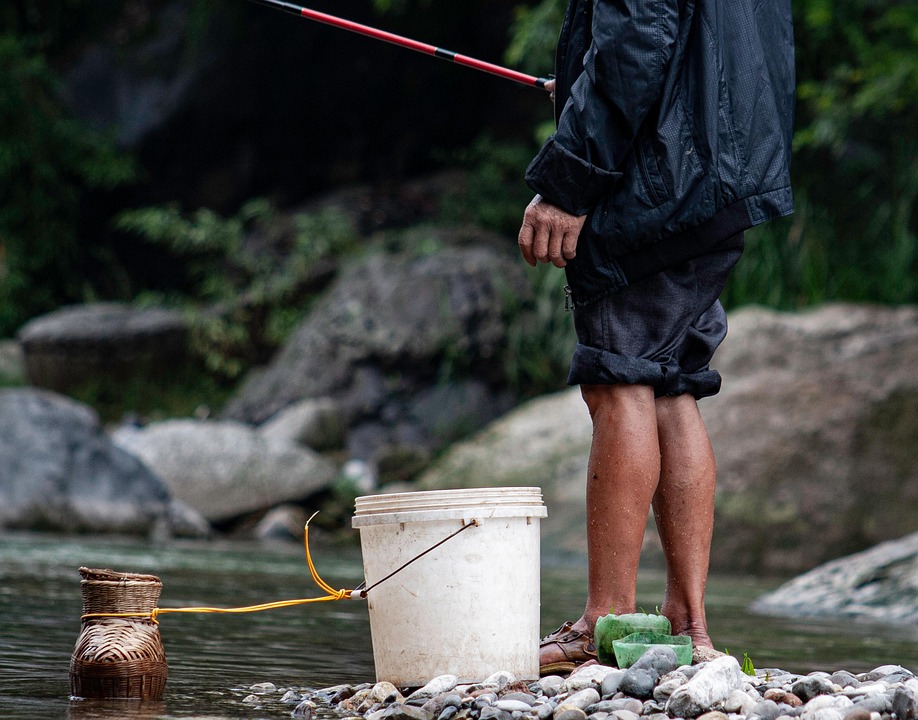
Accessibility: One of the primary reasons bluegill fishing is so beloved is its accessibility. Unlike some species that require specialized gear or extensive knowledge of fishing techniques, bluegill can be caught with simple tackle and bait. A light rod, a hook, and some worms are often all you need. This simplicity encourages people of all ages to participate, making it a fantastic family bonding experience.
Active Fishing: Bluegills are aggressive biters, particularly during their spawning season in late spring and early summer. Their eagerness to bite creates an exciting fishing experience, especially for beginners who may be intimidated by traditional fishing. The thrill of feeling a tug on the line sends a rush of adrenaline through the angler, making each catch a small victory.
Understanding Bluegill Habitat
Bluegills thrive in warmer waters where vegetation is plentiful. They are often found near structures like submerged logs, weed beds, and docks. Understanding their habitat can significantly improve your chances of a successful fishing trip. Here are some key habitat characteristics:
- Warm Water: Bluegills prefer water temperatures between 70°F and 80°F. In cooler months, they tend to move to deeper sections of lakes or ponds.
- Vegetation: They are attracted to areas with ample aquatic plants or habitats that offer cover from predators.
- Spawning Sites: During spawning season, male bluegills will create nests in shallow water, making it easier for anglers to find them.
Best Techniques for Catching Bluegill
While bluegill fishing can be simple, understanding a few techniques can enhance your success. Here are some tried-and-true strategies:
1. Bait Selection
Bluegills are not picky eaters, which is part of their charm. Some effective bait options include:
- Worms: Nightcrawlers or red wigglers are always a safe bet.
- Crickets: These are especially effective during warmer months.
- Small Jigs: Brightly colored or chartreuse jigs can attract their attention when used with a light spinning setup.
2. Fishing Gear
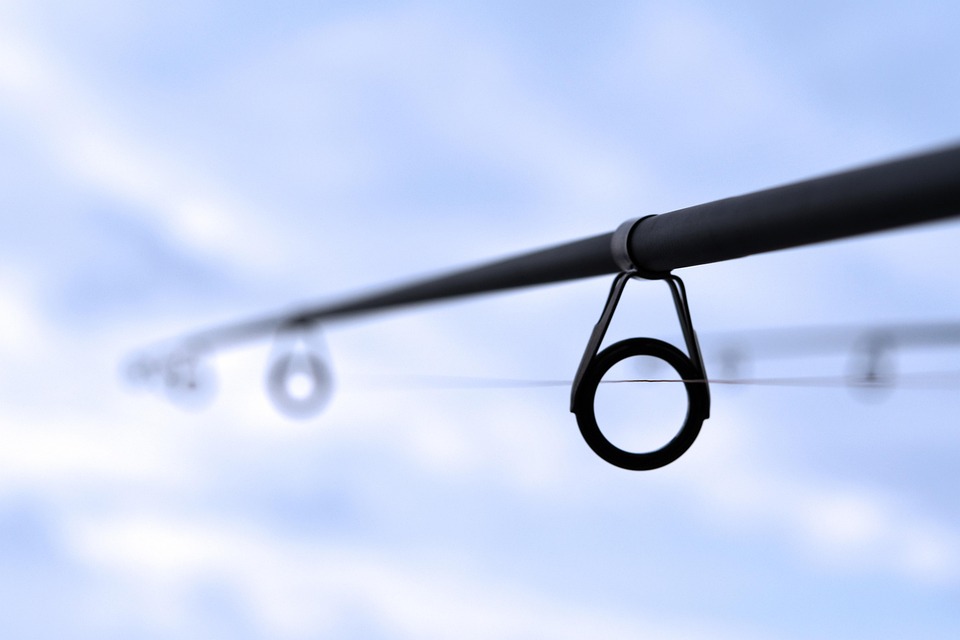
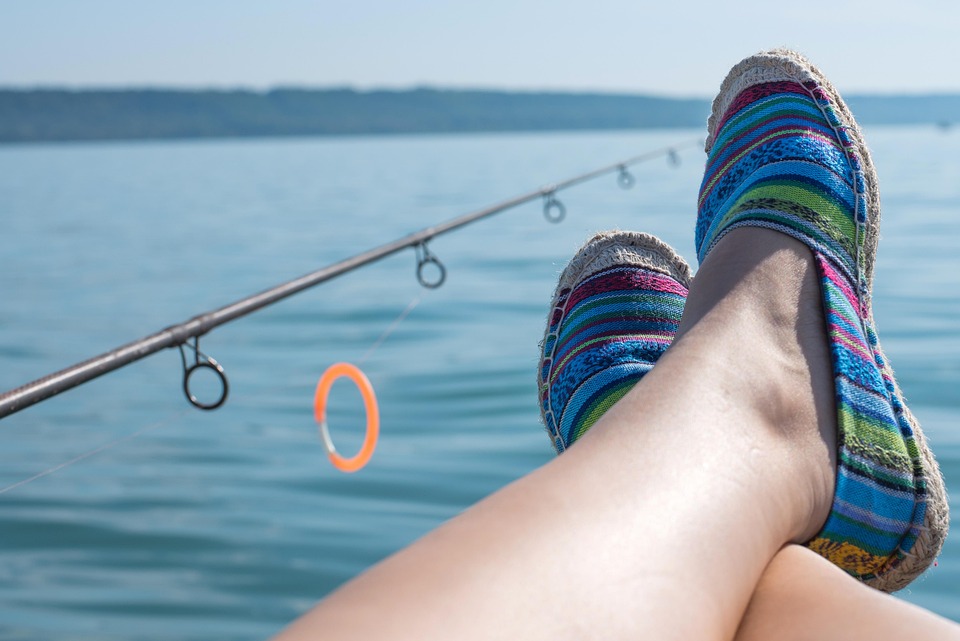
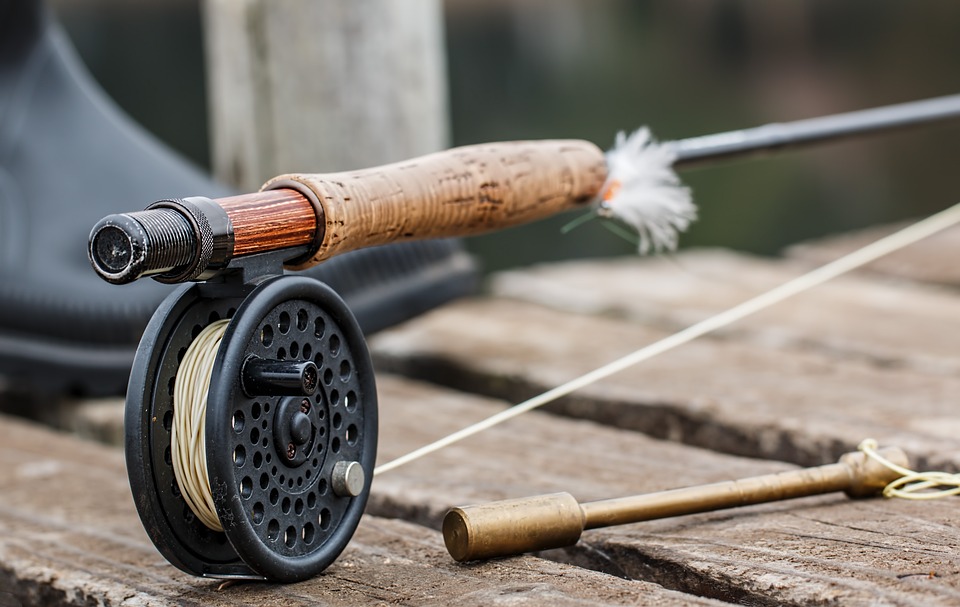
When it comes to gear, a light spinning rod paired with a 4 to 8-pound test line is ideal. This setup provides enough sensitivity to feel the bites while allowing you to reel in light weights without difficulty. A simple bobber can be used to suspend the bait at the right depth, increasing your chances of a catch.
3. Time and Patience
Patience is key when fishing for bluegills. Early mornings and late afternoons are often the best times to fish because the fish are more active. Moreover, don’t hesitate to spend time in one spot. Bluegills often travel in schools, and it may take time for them to find your bait.
The Culinary Delight of Bluegill
Beyond the thrill of the catch, one of the greatest joys of bluegill fishing is preparing and savoring your catch. Bluegill fillets are delicate and mild, making them a versatile ingredient for various recipes. Here are some popular preparation methods:
1. Frying
Fried bluegill fillets are a Southern classic. After dredging them in seasoned cornmeal and frying until golden brown, you achieve a crispy exterior that pairs beautifully with a squeeze of lemon.
2. Baking
Baking bluegill is a healthier alternative. Simply season the fillets with herbs, lime, and a sprinkle of breadcrumbs and bake until flaky.
3. Grilling
Grilling bluegill adds smokiness and char. Skewering the fish with vegetables allows for an easy and delicious meal that showcases the fish’s flavor.
Environmental Impact and Sustainability
As with any fishing activity, it’s crucial to practice responsible fishing to conserve bluegill populations and their habitats. Here are some tips for sustainable fishing:
- Catch and Release: If you’re fishing in a location where populations are threatened, consider releasing smaller or larger fish to maintain balance in the ecosystem.
- Follow Regulations: Be aware of local fishing regulations, including size and bag limits, to ensure sustainable practices.
- Habitat Preservation: Avoid disturbing natural habitats while fishing. Respect wildlife and the environment for future generations.
Conclusion
From the thrill of the catch to the satisfaction of enjoying a delicious meal, bluegill fishing is a rewarding pastime that resonates with anglers of all experience levels. Its accessibility allows families to create lasting memories while fostering a deeper appreciation for nature. As you reel in that next catch and savor it later at the dinner table, you partake in a long-standing tradition that connects generations. Whether in a tranquil pond or bustling lake, the joys of bluegill fishing enrich lives, nourish families, and weave stories of adventure and togetherness.
FAQs
What is the best time of year to fish for bluegill?
The best time to fish for bluegill is during their spawning season, typically in late spring and early summer. Early mornings and late afternoons are prime times to catch them actively feeding.
Can I eat bluegill caught from a pond?
Yes, bluegill are safe to eat when caught from clean bodies of water. Always check local advisories about water quality and fish safety.
What size hook should I use for bluegill fishing?
A size 8 to 12 hook is generally ideal for bluegill fishing. Smaller hooks are less likely to intimidate them and allow for a better catch rate.
Are there any specific regulations for bluegill fishing?
Yes, regulations vary by location. Be sure to check local fishing laws regarding sizes, bag limits, and specific seasons to ensure sustainable fishing practices.
What other fish can I catch while bluegill fishing?
While targeting bluegill, you may also encounter other panfish, such as crappie and perch, as well as bass. Many water bodies support diverse species that can make for an exciting fishing trip.
- bass fishing
- Bluegill Fishing
- carp fishing
- catfish fishing
- Crappie Fishing
- freshwater angling
- freshwater bait fishing
- freshwater fishing
- freshwater fishing gear
- freshwater fishing guides
- freshwater fishing species
- freshwater fishing techniques
- freshwater fishing tips
- freshwater fly fishing
- freshwater spinning fishing
- inland fishing
- lake fishing
- lakes fishing
- largemouth bass fishing
- muskie fishing
- panfish fishing
- Perch Fishing
- pike fishing
- pond fishing
- reservoir fishing
- reservoirs fishing
- river fishing
- rivers fishing
- Salmon Fishing
- smallmouth bass fishing
- stream fishing
- Tilapia Fishing
- Trout Fishing
- Walleye Fishing









Leave a comment