














Bass fishing is more than just a hobby; it’s a passion for many anglers across the globe. For both beginners and seasoned veterans, selecting the right bass fishing rod can be the difference between an empty cooler and a productive day on the water. This comprehensive guide will walk you through the important factors to consider, various rod types, and expert tips to help you choose the perfect rod to reel in the big one.
Understanding the Basics: Rod Construction
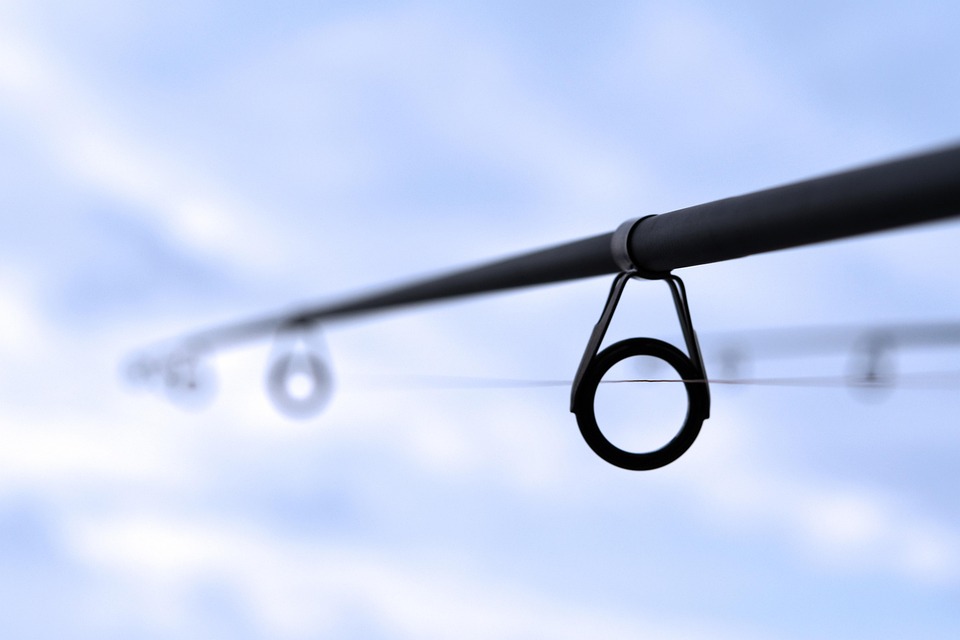
Before diving into specifics, it’s essential to understand the basic construction of a fishing rod. Most bass rods are made of either graphite or fiberglass:
- Graphite: Known for its sensitivity and lightweight nature, graphite rods are fantastic for detecting bites. They provide a greater degree of sensitivity, making them ideal for finesse fishing.
- Fiberglass: These rods tend to be more durable and flexible. They are often preferred for power fishing techniques like flipping and pitching.
The choice between the two often boils down to personal preference, fishing style, and intended techniques.
Length Matters: Choosing the Right Rod Length
The length of a fishing rod is crucial, and it typically ranges from 6 to 8 feet for bass fishing. Here’s how to decide:
- Shorter Rods (6′ to 6’6″): Ideal for small boats and tight areas like inlets and weed beds. They offer better control for accurate casting.
- Medium Rods (6’6″ to 7′): The versatile choice, suitable for many different techniques and environments. Perfect for both boat and shore fishing.
- Longer Rods (7′ to 8′): These rods excel in open water, providing longer casting distance and greater leverage, especially when fighting larger fish.
Action and Power: Key Specifications
When selecting a rod, two critical specifications come into play: action and power. Understanding these terms can help you gauge the rod’s performance.
Rod Action: This refers to how the rod bends. It can be classified as:
- Fast Action: Bends at the tip and offers quick response and sensitivity. Great for reacting quickly to bites.
- Medium Action: Bends from the tip to the middle. This offers a good balance of sensitivity and strength, suitable for many techniques.
- Slow Action: Bends throughout the rod length, making it more forgiving. Ideal for lighter lures and techniques requiring slow retrieves.
Rod Power: This indicates the rod’s strength, divided into categories such as ultralight, light, medium, medium-heavy, and heavy. Choose the power based on the size of the bass you’re targeting:
- Light to Medium: Suitable for smaller bass and finesse techniques.
- Medium-Heavy to Heavy: Best for targeting larger bass, using heavier lures, or fishing in thick cover.
Choosing the Right Reel: Balancing Your Setup
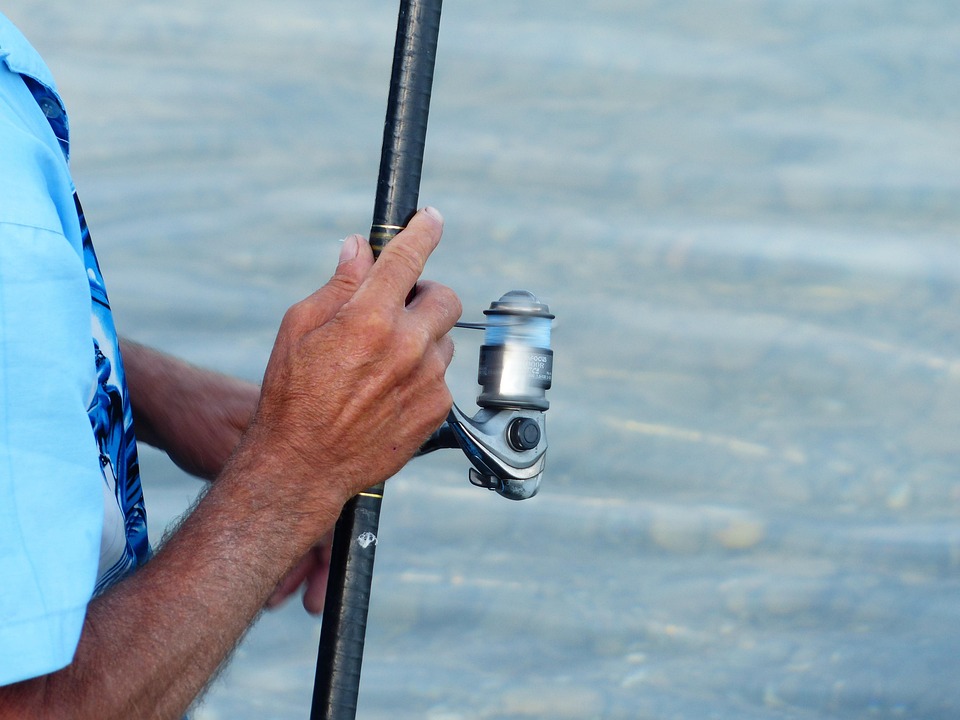
The rod isn’t the only factor to consider. Pairing your rod with the right reel is crucial for a balanced fishing setup. Most bass anglers favor either spinning or baitcasting reels.
- Spinning Reels: Easy to use and versatile, they are great for lighter lures and open-water fishing. They are less prone to tangling than baitcasters, making them a good choice for beginners.
- Baitcasting Reels: Offer more control and are better suited for a variety of techniques, especially when using heavier lures or when fishing in cover. They require more practice but provide superior casting distance and accuracy.
Fishing Techniques: Rod Selection Based on Style
Your choice of rod should also be influenced by the fishing techniques you plan to use. Here are some popular bass fishing methods and the rods best suited for them:
- Jig Fishing: Opt for a medium-heavy rod with a fast action to deliver quick hook sets.
- Crankbait Fishing: A medium action rod will allow for a forgiving bend when fighting fish while providing sensitivity.
- Worm or Finesse Fishing: Choose a longer rod with fast action for better sensitivity and longer casts.
- Topwater Fishing: A medium to medium-heavy rod with fast action will help you set the hook quickly.
Budget Considerations: Finding the Right Price Point
Your budget will significantly influence your choice of rod. Bass fishing rods can range from as low as $20 for entry-level models to over $500 for high-performance rods. Here are some tips for choosing a rod within your budget:
- Set a Budget: Determine how much you’re willing to invest in your fishing gear. A good quality rod can last for many years.
- Consider Value Over Price: Sometimes it’s worth spending a little more for a rod that suits your specific style and is made from quality materials.
- Test Before You Buy: If possible, visit a local tackle shop and try out different rods. Feeling the rod can significantly aid in making an informed decision.
Expert Tips on Rod Maintenance
Once you’ve chosen the perfect bass fishing rod, it’s essential to maintain it properly to ensure its longevity:
- Cleaning: After each use, rinse your rod with freshwater to remove salt and debris. Use a soft cloth to wipe it down.
- Storage: Store your rod in a cool, dry place, away from sunlight. Avoid placing it under heavy items that could cause stress.
- Regular Checks: Regularly inspect your rod for any signs of wear, such as cracked guides or splits in the rod blank.
Conclusion
Selecting the perfect bass fishing rod is more than just picking a piece of equipment; it’s about enhancing your experience on the water. By understanding material, length, action, power, and techniques, you can make an informed decision that will elevate your fishing game. Whether you’re a novice or a seasoned pro, the right rod can lead you to memorable catches and rewarding fishing adventures. Remember to try out different rods, take care of your equipment, and always seek to improve your skills. With the right setup, you’ll be reeling in more than just the big one!
FAQs
What is the best rod length for bass fishing?
The best rod length for bass fishing typically ranges from 6′ to 8′, depending on your fishing style and preferences. A medium rod around 6’6″ is generally a great all-around choice.
Should I choose a spinning or baitcasting rod for bass fishing?
It depends on your experience and the techniques you’re using. Spinning rods are easier for beginners and great for lighter lures, while baitcasting rods offer greater control for various techniques, especially with heavier lures.
What action and power should I choose for bass fishing?
A medium action rod with medium-heavy power is typically a good choice for bass fishing, as it offers a balanced performance across various techniques. Adjust based on your target size and fishing style.
How do I maintain my fishing rod?
Clean your rod after each use, store it in a cool, dry place, and regularly inspect it for signs of wear. Proper maintenance can prolong the lifespan of your rod significantly.
- advanced bass fishing
- bass angling
- bass fishing
- bass fishing baits
- bass fishing destinations
- bass fishing for beginners
- bass fishing guides
- bass fishing lakes
- bass fishing lures
- bass fishing patterns
- bass fishing reels
- bass fishing rigs
- bass fishing rods
- bass fishing seasons
- bass fishing tactics
- bass fishing techniques
- bass fishing tips
- crankbait bass fishing
- deep water bass fishing
- jig bass fishing
- largemouth bass fishing
- reservoir bass fishing
- river bass fishing
- shallow water bass fishing
- smallmouth bass fishing
- soft plastic bass fishing
- spinnerbait bass fishing
- spotted bass fishing
- topwater bass fishing
- tournament bass fishing











Leave a comment