
















Catfish are among the most sought-after freshwater fish, celebrated for their fighting spirit and delectable taste. While many anglers focus their efforts on shallower waters, targeting catfish in deeper, darker realms can yield impressive results. This article explores various techniques that anglers can employ to successfully reel in catfish where the sun don’t shine, ensuring a fruitful fishing expedition.
Understanding Catfish Behavior
Before delving into techniques, it’s essential to understand catfish behavior, particularly in deeper waters. Catfish are opportunistic feeders, often lurking in the shadows, particularly during the warmer months. They prefer to inhabit depths where structures such as rocks, submerged logs, and ledges provide both cover and hunting grounds.
During the daytime, catfish typically retreat to deeper waters to escape the heat and predation. They are most active during dawn and dusk and can be particularly aggressive in these low-light conditions. Thus, knowing the right times to fish and the optimal locations within the water column can significantly boost your chances of success.
Essential Equipment
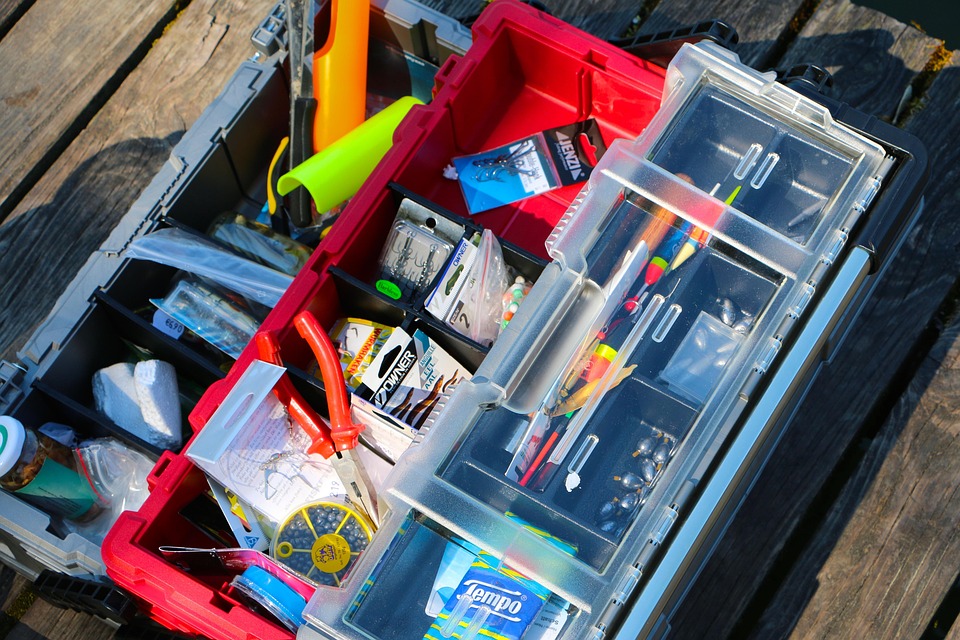
Before venturing into deeper waters for catfish, you will need specific gear that can withstand the rigors of targeting these robust fish. Here’s a breakdown of essential equipment:
- Rods and Reels: Choose a heavy-action rod, ideally between 7 to 9 feet long. Pair this with a sturdy baitcasting reel capable of holding 50-80 lb braided line.
- Line: Braided lines are recommended for their sensitivity and strength. Monofilament can stretch too much, making it difficult to feel bites from deep water catfish.
- Baits: Cut bait (like shad), live bait (like bluegill), and stink baits are often preferred. Experiment with different options based on local fish behavior.
- Terminal Tackle: Use circle hooks for better hookup rates, especially with larger baits. Incorporate weights that can reach the desired depths.
- Sonar Equipment: A fish finder or depth finder will help identify catfish hotspots by showing underwater structures and schools of fish.
Technique 1: Drift Fishing
Drift fishing involves letting your bait flow with the current while you move your boat or kayak slowly along the water’s surface. This technique is especially effective in deeper waters where catfish may be scattered.
To execute drift fishing:
- Select a spot known for deep channels or structures where catfish tend to congregate.
- Anchor the boat upstream and let the current carry you down with the bait trailing behind.
- Periodically check your bait and adjust your rig as necessary based on the depth and current.
Drift fishing allows for a more natural presentation of the bait, increasing the chances of attracting catfish as they detect it moving along their feeding paths.
Technique 2: Bottom Fishing
Bottom fishing is a traditional yet reliable method for targeting catfish in deeper waters. Given that these fish often feed near the bottom, this technique is a must-have in an angler’s arsenal.
For effective bottom fishing:
- Cast your line to a designated area, ensuring your bait settles near the bottom.
- Use slip sinkers that allow for movement of the bait while still remaining submerged.
- Keep an eye on your fishing rod; short, subtle taps might indicate a bite, especially in deeper waters.
Adjust the weight of your sinker according to the current and depth to keep your bait near the catfish’s feeding grounds safely.
Technique 3: Trolling
Trolling is typically associated with larger game fish, but it can also be effective for catfish. This method allows you to cover more water while your bait attracts catfish throughout different depths.
To troll effectively for catfish:
- Use a combination of live and cut bait rigged on multiple rods.
- Slowly drive the boat through areas known to hold catfish, adjusting your speed depending on the water conditions.
- Watch the sonar for depth changes and structure, ensuring your bait is always engaged with the desired depth range.
Trolling helps identify active fish by covering larger areas, ensuring you can find where catfish are holding in deeper waters.
Technique 4: Vertical Jiggling
Vertical jiggling or jigging is effective when targeting catfish directly below your boat. This technique can be particularly useful in areas with drop-offs, ledges, or submerged structures.
Follow these steps for vertical jiggling:
- Drop your baited hook straight down to the desired depth using minimal weight.
- Engage in rapid upward movements to create a popping action, mimicking an injured baitfish.
- Slowly lower the rod back down and repeat the action if you sense resistance or movement.
This technique keeps your bait in the strike zone longer, increasing the likelihood of hooking up with a catfish.
Understanding Weather Conditions
Environmental conditions significantly affect catfish feeding behavior. Weather patterns, including temperature, humidity, and barometric pressure, all play essential roles in successful fishing expeditions.
Here are some key considerations:
- Temperature: Catfish tend to prefer warmer waters (70-80°F). Plan your trips accordingly in warmer months.
- Storm Fronts: Before a storm, catfish often feed aggressively. Plan your fishing trip a day or two before these fronts move in.
- Wind: Wind can affect where fish are located, as it stirs up debris and attracts food sources. Use this to your advantage as you search for catfish.
Conclusion
Targeting catfish in deeper, darker waters challenges anglers to refine their techniques, invest in essential gear, and understand the behavior of these remarkable fish. By employing strategies like drift fishing, bottom fishing, trolling, and vertical jiggling, anglers can significantly enhance their chances of success. Moreover, paying attention to environmental conditions can further improve your fishing experience.
Whether you’re a seasoned angler or a newcomer eager to catch catfish, the techniques outlined in this article will help you explore new depths. So gear up, venture into those shadowy waters, and prepare for some exciting fishing adventures where the sun hides!
FAQs
1. What’s the best time of day to fish for catfish?
The best times to fish for catfish are during dawn and dusk when they are most active. Late evening and night fishing can also yield excellent results.
2. What is the ideal depth for catching catfish?
Catfish tend to stay closer to the bottom, often in depths ranging between 10-30 feet, especially during the heat of the day. However, they can also be found at varying depths, depending on weather and feeding patterns.
3. Is live bait better than cut bait for catfish?
It depends on the situation. Live bait, such as bluegill, can attract larger catfish, while cut bait can be more effective in tempting hungry fish. Experiment with both to see which works best in your fishing area.
4. Do I need a fishing license to catch catfish?
Yes, a valid fishing license is typically required in most regions. Always check local regulations before fishing to ensure compliance.
5. How do I ensure a successful catch when fishing in deep waters?
Use a fish finder to locate catfish hotspots, employ the right fishing techniques, choose appropriate bait, and be aware of weather patterns that may influence catfish behavior.
- advanced catfish fishing
- blue catfish fishing
- catfish angling
- catfish bait
- catfish fishing
- catfish fishing for beginners
- catfish fishing gear
- catfish fishing guides
- catfish fishing reels
- catfish fishing rods
- catfish fishing seasons
- catfish fishing spots
- catfish fishing tactics
- catfish fishing techniques
- catfish fishing tips
- catfish hooks
- catfish rigs
- catfish species
- channel catfish fishing
- cut bait catfish fishing
- deep water catfish fishing
- flathead catfish fishing
- lake catfish fishing
- live bait catfish fishing
- monster catfish fishing
- night catfish fishing
- river catfish fishing
- shallow water catfish fishing
- stink bait catfish fishing
- trophy catfish fishing

















Leave a comment