
















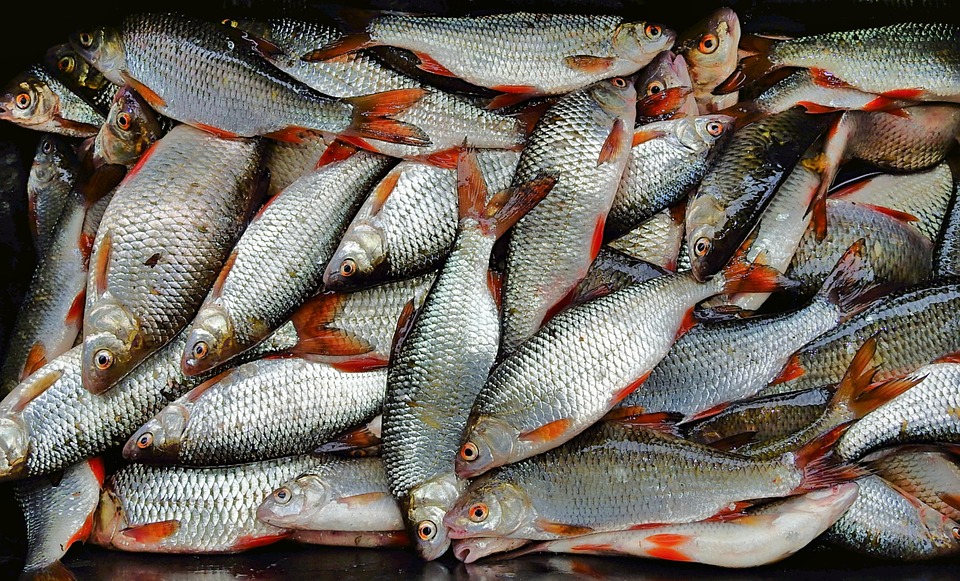
Fishing is not merely a pastime; it is a profound connection to nature, an exploration of tranquility, and a set of skills that can require years to master. Angling, the method of catching fish by means of a hook or lure, can be both exhilarating and frustrating. It is a delicate balance of patience, knowledge, and technique. For enthusiasts and newcomers alike, understanding the intricacies of fishing can transform an ordinary trip into an unforgettable adventure. In this article, we will explore essential strategies that can enhance your fishing experience, ensuring not just catch success, but also enjoyment.
Understanding the Basics
Before heading out, it’s critical to grasp the fundamentals of fishing. Knowledge of local laws, seasons, and fish species will give you an invaluable edge. Here are the basics you should pay attention to:
- Fishing Licenses: Always check local regulations for fishing licenses and permits. Each state may have different requirements, and failing to comply can lead to hefty fines.
- Seasons and Timing: Familiarize yourself with the best seasons for fishing in your area. Some species are more active at specific times of the year; early mornings or late evenings can be particularly advantageous.
- Species Knowledge: Understanding the behaviors, habitats, and diets of target fish species allows you to select the right bait and lures. For instance, trout are often found in cooler waters, while bass may prefer warmer environments.
Choosing the Right Gear
The success of your fishing trip hinges greatly on suitable gear. Investing in high-quality equipment tailored to your fishing style is essential. Here are some critical components of fishing gear:
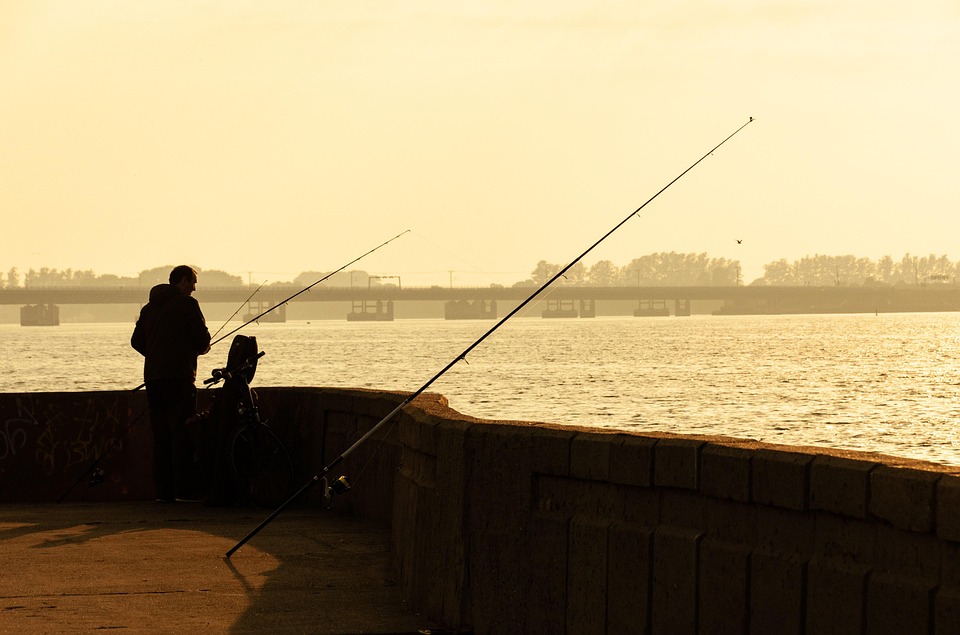
- Rod and Reel: Selecting the right rod and reel combination is crucial. Spincasting reels are great for beginners, while baitcasting reels can offer more control for advanced anglers.
- Fishing Line: The fishing line’s strength and visibility can affect catch rates. Monofilament, fluorocarbon, and braided lines each have their pros and cons; choose based on the type of fishing and species targeted.
- Bait and Lures: Natural bait, such as worms or minnows, can be effective, but artificial lures mimic the movements of prey, often leading to more strikes. Research what type of bait works best for your targeted fish.
- Safety Equipment: Always prioritize safety. PFDs (Personal Flotation Devices), sun protection, and a well-stocked first aid kit are must-haves for an enjoyable trip.
Effective Techniques for Successful Angling
Mastering various fishing techniques can significantly improve your likelihood of success. Below are some fundamental techniques that every angler should be acquainted with:
1. Casting Techniques
Proper casting can make a world of difference. Learn the overhead cast, sidearm cast, and roll cast. Each method has its advantages depending on the environment and species you’re targeting.
2. Drifting
For species like trout, allowing your bait to drift naturally with the current can be effective. Use a light line and let the currents guide your bait, imitating the natural movements of prey.
3. Trolling
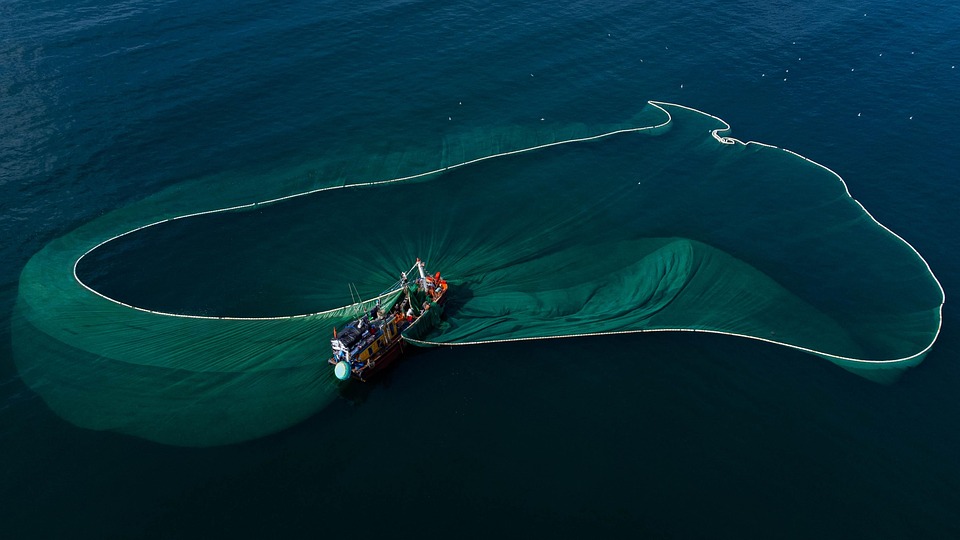
Trolling involves pulling a bait or lure behind a boat. This technique covers a larger area and can be particularly productive for species like Salmon and Pike.
4. Bottom Fishing
This technique is especially effective for bottom-dwelling species. Utilize weighted rigs to keep your bait on the bottom, where fish like catfish and flounder can be found.
5. Fly Fishing
A blend of art and science, fly fishing is an effective method for catching species that feed on insects. It requires specialized gear and techniques, making it a rewarding challenge.
The Importance of Patience
Fishing is a waiting game. The most successful anglers understand the value of patience. It may take hours of stillness for that first bite, but each moment spent waiting can deepen your appreciation for nature and the environment around you.
Additionally, patience often extends to learning. Embrace mistakes as learning opportunities. Each trip will teach you something new—whether it’s the best time to fish or how to position your boat for optimal casting.
Reading the Environment
Being attuned to your environment can significantly enhance your fishing success. Look for natural indicators of fish presence:
- Water Temperature: Fish are cold-blooded and are more active at specific temperatures. Use a thermometer to gauge conditions and adapt your strategies accordingly.
- Weather Patterns: Fish often feed more actively before storms or during overcast conditions. Conversely, bright, sunny days may lead to more cautious fish behavior.
- Structure and Cover: Fish often find shelter near various structures, like rocks, fallen trees, or weeds. Focus your efforts near these areas for an increased chance of success.
Conservation and Ethical Fishing
As anglers, we must also care for the environment we cherish. Ethical fishing practices ensure the sustainability of fish populations for future generations:
- Catch and Release: Practice catch and release to maintain healthy populations. Handle fish gently, ensuring minimal injury before releasing them back into the water.
- Respect Local Habitats: Be mindful of local ecosystems. Avoid litter, and when using a boat, stay within designated areas to prevent damaging aquatic habitats.
- Educate Others: Share your knowledge and passion for fishing. Inspire others to embrace conservation and responsible angling practices.
Conclusion
Mastering the art of angling requires a blend of knowledge, skill, and respect for the environment. By understanding the basics, choosing the right gear, employing effective techniques, and practicing patience, you can enhance not only your success rate but also your overall enjoyment. Every fishing trip is an opportunity for personal growth and connection with nature. Embrace the journey, learn from each experience, and contribute to the sustainable practice of fishing. Whether you’re a novice or a seasoned pro, the joys of angling await you on the water.
FAQs
What is the best time of year to go fishing?
The best time for fishing can vary based on the species you’re targeting and local conditions. Typically, spring and fall are ideal seasons, as fish are more active during these times.
Do I need a fishing license?
Yes, a fishing license is often required. It’s essential to check local regulations to ensure you’re compliant with fishing laws in your state or region.
What are some effective baits for beginners?
Worms, minnows, and small artificial lures are great options for beginners. They are easy to use and can attract a variety of fish species.
How can I improve my skills as an angler?
Practice makes perfect! Regularly go fishing, learn from experienced anglers, watch instructional videos, and read fishing literature to constantly improve your skills.
What should I do if I catch a fish?
If you intend to keep the fish, follow local regulations regarding size and quantity limits. If you practice catch and release, handle the fish carefully and return it to the water quickly to ensure its survival.
- fishing bait tips
- fishing gear hacks
- fishing hacks
- fishing knot guides
- fishing knot techniques
- fishing knot tying
- fishing knots
- fishing knots for advanced
- fishing knots for beginners
- fishing leader knots
- fishing line knots
- fishing loop knots
- fishing lure tips
- fishing rig guides
- fishing rig hacks
- fishing rig setups
- fishing rig tips
- fishing rig tricks
- fishing rigs
- fishing strategies
- fishing techniques
- fishing tips
- fishing tips and tricks
- fishing tips for beginners
- fishing tips for experts
- fishing tips for freshwater
- fishing tips for saltwater
- fishing tips online
- fishing tricks
- fishing tricks for better catch










Leave a comment