










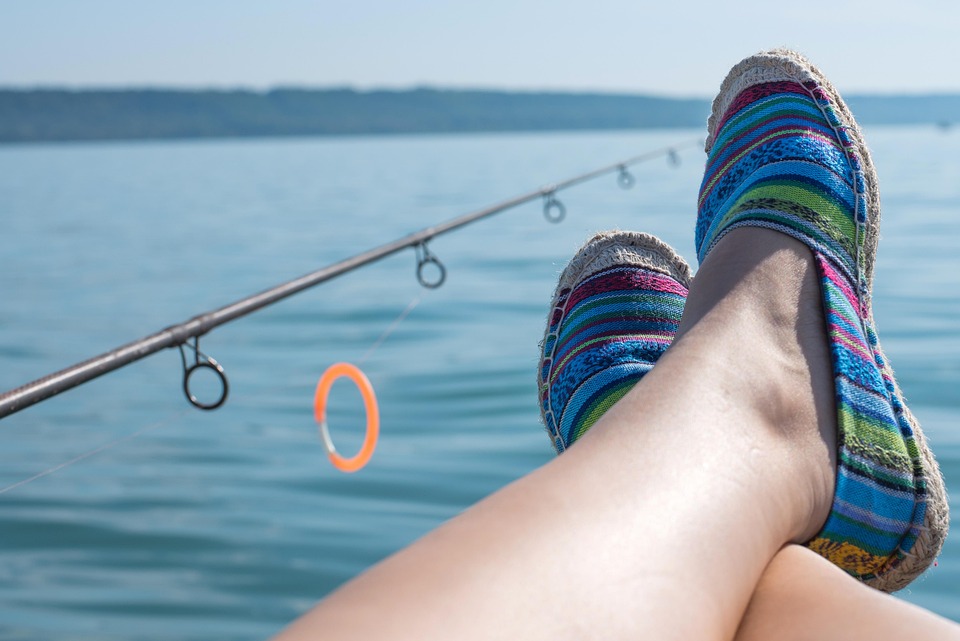


Carp fishing, a beloved pastime for anglers around the world, has transformed over the years from a mere hobby into a specialized sport. The allure of chasing these formidable freshwater fish stems from their size, strength, and intelligence. Yet, what often stands between an angler and a successful catch boils down to one critical factor: bait selection. Understanding what draws carp in and how to effectively employ different types of bait is essential for any aspiring angler.
The Basics of Carp Behavior
To master the art of carp fishing, one must first understand the behavior of these fish. Carp are opportunistic feeders, meaning they will consume a wide variety of food sources depending on their environment and the time of year. They are particularly active during warmer months when they often feed near the surface. During colder months, their feeding habits slow down, and they tend to seek shelter in deeper waters.
Factors such as water temperature, time of day, and even the presence of other fish can impact carp feeding behavior. Understanding these nuances can greatly aid in bait selection and fishing strategy.
Types of Bait for Carp Fishing
1. Boilies
Boilies are one of the most popular baits among carp anglers. These round, hard balls are typically made from a mixture of fishmeal, eggs, and flavors or nutrients designed to attract the fish. Boilies come in various sizes, flavors, and colors, often reflecting seasonal changes or specific fish preferences.
*Seasonal Selection:* During warmer months, fruity-flavored boilies tend to attract more fish, while during colder months, fishmeal-based boilies are often more effective.
2. Sweet Corn
Sweet corn is an inexpensive yet highly effective bait choice. Carp are naturally drawn to its bright color and sweet scent. It can be used alone on a hair rig or combined with other baits for added attractiveness.
*Tip:* Use a can of natural sweet corn for a more authentic bait experience, as artificial alternatives may be less effective.
3. Pellets
Pellets, often high in protein, have gained traction as a popular carp bait. Available in various sizes and flavors, they can be used on their own or as part of a groundbait mix. Their compact nature allows for easy transport and application.
*Flavor Insight:* Experimenting with different flavors—like fishmeal, halibut, or even spicy flavors—can lead to surprising results during your fishing sessions.
4. Natural Baits
Many seasoned anglers swear by natural baits such as worms, maggots, and insects. These baits mimic the natural food sources carp would encounter in the wild. Using natural baits can sometimes yield spectacular results, particularly in heavily pressured waters where carp may be wary of artificial baits.
*Rainy Days:* A good strategy is to use live baits, as they tend to provoke a more aggressive feeding response, especially on overcast days.
5. Groundbait
Groundbait plays a crucial role in carp fishing by attracting fish to a specific area. A mixture of breadcrumbs, seeds, and flavored substances, groundbait can be used to create a feeding frenzy, drawing carp in from surrounding waters.
*Importance of Timing:* For best results, it’s beneficial to introduce groundbait before fishing. This allows the carp to begin feeding and creates a hotspot for your baited hook.
Factors Influencing Bait Effectiveness
1. Water Temperature
Water temperature significantly impacts carp feeding behavior. In warmer waters, carp tend to be more active and may be more willing to chase after baits. In contrast, colder waters may require stronger scents or more attractive bait profiles to entice the fish.
2. Location
Different locations call for different bait strategies. For example, carp in heavily fished waters may become “bait shy,” requiring more natural or less common bait selections. Conversely, in less pressured environments, virtually any bait might yield results.
3. Time of Year
Seasonal changes also affect carp behavior. During spawning season, carp may be less focused on feeding, necessitating a shift in bait strategy. Knowing when to target carp during these cycles can improve your chances of a catch.
Strategies for Baiting
1. Pre-Baiting
Pre-baiting involves introducing your chosen bait into the fishing area ahead of your actual fishing session. This can help acclimate carp to the area and make them more likely to bite when you return. Pre-baiting may involve the use of boilies, corn, or groundbait and can be done a day or two before fishing.
2. Hair Rigging
The hair rig is a popular method among carp anglers. It allows the bait to hang just in front of the hook, creating a more natural presentation. This rig is particularly effective with boilies and can be beneficial in reducing fish loss during a catch.
3. Mixing Baits
Combining different types of baits can often yield better results. Mixing boilies with sweet corn or pellets can create a compelling feeding dish that attracts carp from greater distances. Experimentation is key to find what combination works best in your fishing environment.
Conclusion
Mastering the art of carp fishing requires patience, knowledge, and the right selection of bait. By understanding carp behavior and experimenting with various bait types and combinations, anglers can enhance their chances of success. Whether you opt for boilies, corn, or natural baits, the key is to stay adaptable and learn from each fishing experience. Remember, the journey of fishing is as rewarding as the catch itself, presenting ample opportunities to connect with nature and hone your skills. Happy fishing!
FAQs about Carp Fishing Bait Selection
1. What is the best bait for carp fishing?
There isn’t a one-size-fits-all answer. Boilies, sweet corn, pellets, and natural baits have all proven to be effective. It’s best to experiment to see which works best in your fishing location.
<h3>2. How do I know what bait to use at different times of the year?</h3>

<p>

    In warmer months, fruity flavors are often effective; during colder months, opt for fishmeal-based boilies. Observing local fish behavior is crucial for seasonal adjustments.

</p>
<h3>3. Can I use multiple types of bait at the same time?</h3>

<p>

    Yes! Mixing bait types can create a compelling offering for carp. Combinations of boilies with corn or pellets can be particularly effective.

</p>
<h3>4. How important is the presentation of bait?</h3>

<p>

    Presentation is vital. Using techniques such as hair rigging can significantly improve your chances, as it mimics natural feeding behavior.

</p>
<h3>5. Should I pre-bait before fishing?</h3>

<p>

    Pre-baiting can be an excellent strategy to draw carp into your fishing area, making them more likely to bite when you return.

</p>
- big carp fishing
- carp angling
- carp boilies
- carp feeder fishing
- carp fishing
- carp fishing bait
- carp fishing destinations
- carp fishing gear
- carp fishing guides
- carp fishing holidays
- carp fishing lakes
- carp fishing methods
- carp fishing reels
- carp fishing rigs
- carp fishing rods
- carp fishing techniques
- carp fishing tips
- carp groundbait
- carp hair rig
- carp pellets
- European carp fishing
- France carp fishing
- margin carp fishing
- method feeder carp fishing
- monster carp fishing
- river carp fishing
- Spain carp fishing
- stalking carp
- trophy carp fishing
- UK carp fishing









Leave a comment