











Pike fishing can be a thrilling and rewarding experience, whether you are a novice angler or a seasoned pro. These aggressive predators are found in freshwater lakes and rivers, primarily in North America and Europe. Known for their ferocity and size, pike are not only exciting to catch but can also be delicious on the dinner table. This article dives deep into the world of pike fishing, providing you with essential tips and tricks to increase your chances of landing a trophy fish.
Understanding Pike Behavior
To successfully catch pike, understanding their behavior is crucial. They are ambush feeders, often hiding in areas with cover where they can easily strike prey. Therefore, knowing where to look for them is half the battle.
Seasonal Patterns
Pike tend to display different behaviors based on the season:
- Spring: Growing active after ice-out, they move into shallower waters for spawning. These areas often have vegetation, making them prime fishing spots.
- Summer: As water temperatures rise, pike often retreat to deeper waters during the day, preferring cooler temperatures. Fishermen should focus on early mornings and late evenings.
- Fall: Feeding heavily as winter approaches, pike can be found in both shallow and deeper waters, often near schools of baitfish.
- Winter: Ice fishing for pike is popular in northern regions; they tend to stay near underwater structures.
Essential Gear and Tackle
The right gear can make all the difference when fishing for pike. Here are the essentials:
Rods and Reels
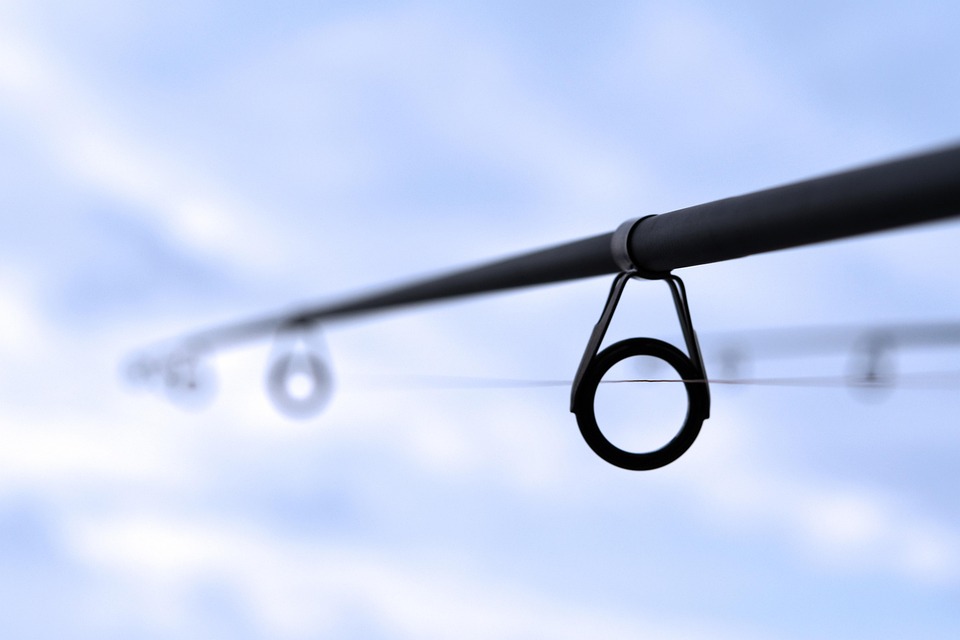
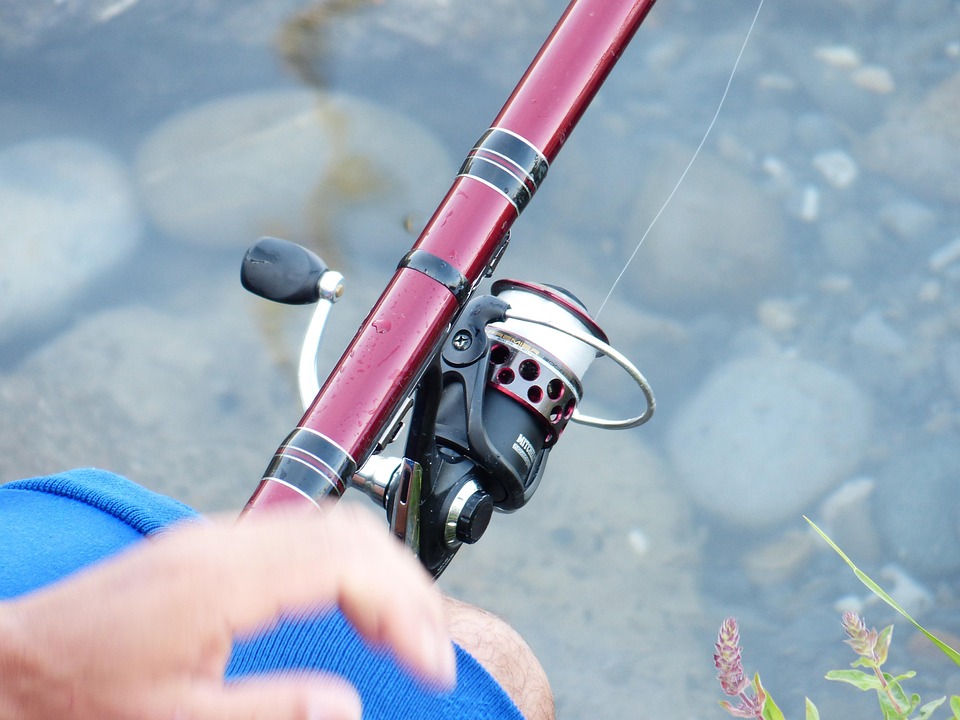
A medium to heavy action rod typically ranging from 6 to 8 feet in length is recommended for pike fishing. Pair this with a strong baitcasting or spinning reel designed to handle heavy lines and large lures.
Fishing Line
Using a braided line is advisable as it offers higher sensitivity and strength. A line with a break strength of at least 30-50 pounds is often recommended.
Leaders and Hooks
Pike have sharp teeth capable of biting through regular fishing line. Incorporating a steel or fluorocarbon leader can prevent this. Choose hooks sized appropriately for the lures you plan to use.
Choosing the Right Lures
Pike are opportunistic feeders and can be attracted to a variety of lures:
Types of Lures
- Crankbaits: These mimic injured fish and are particularly effective in the early spring and fall.
- Spinnerbaits: Great for covering large areas quickly, spinnerbaits are perfect for murky water.
- Spoons: These flashy lures resemble baitfish and can provoke aggressive strikes.
- Soft Plastics: Rigged with a weighted hook, they can slowly sink and mimic prey, increasing your odds during the warmer months.
Color Matters
Color plays a vital role in lure effectiveness. Bright colors like chartreuse or fire tiger work well in murky waters, while more natural colors such as silver or green should be used in clear waters. Always keep an eye on local conditions and adjust accordingly.
Techniques for Pike Fishing
There are several productive techniques for catching pike:
Still Fishing
Using live bait, you can anchor your line in likely pike locations and wait for them to come to you. With a bobber setup, you can keep an eye on your bait while targeting areas with weed beds or submerged structures.
Casting and Retrieving
This technique involves casting your lure into likely pike habitats and retrieving it at varying speeds. Experiment with a fast retrieve and then slow it down, as sometimes pike prefer a more leisurely approach.
Trolling
In deeper waters, trolling can be an excellent way to cover vast areas. Use a boat and adjust your lure depth, often achieving better success when using multiple lines at different depths.
Finding the Right Location
The success of your fishing trip often hinges on location. Here are factors to consider when selecting a pike fishing spot:
Structures
Pike love to hang around structures like rocks, fallen trees, vegetation, and drop-offs. Any areas that provide cover will be a hotspot for pike.
Baitfish Schools
Finding schools of baitfish can significantly increase your chances of hooking a pike, as they are drawn to abundant food sources.
Water Temperature and Clarity
Monitoring water conditions can be critical. Pike prefer slightly cooler waters during summer months, while nesting in warmer shallows in spring.
Sustainable Fishing Practices
Practicing sustainable fishing helps ensure a healthy ecosystem for future generations. Here are some ways to fish responsibly:
- Practice catch and release to help conserve pike populations, especially larger specimens.
- Be mindful of local fishing regulations, including size and bag limits.
- Discard trash properly and leave fishing locations cleaner than you found them.
Conclusion
Pike fishing is not only about the thrill of the catch but also about immersing yourself in nature and the fishing community. By understanding pike behavior, investing in the right gear, choosing effective lures, and practicing sustainable fishing techniques, you can enhance your fishing experience. Remember, patience and persistence are key; the big one might be just around the corner.
FAQs
1. What is the best time to fish for pike?
The best time to fish for pike is typically early in the morning or late in the evening, especially during the warmer months. Spring and fall are also prime seasons for pike fishing as they become more active.
2. What is the legal size and bag limit for pike in my area?
Legal size and bag limits vary by state or province. Always check your local regulations before fishing as they help maintain sustainable fish populations.
3. What type of bait is best for pike fishing?
Pike are often attracted to various baits, including live bait like minnows or perch, and artificial lures such as crankbaits, spoons, and soft plastics. It’s best to experiment to see what works in your local waters.
4. How do I safely catch and release pike?
To safely catch and release pike, use barbless hooks, handle the fish with wet hands, and minimize time out of the water. Always keep the fish in the water as much as possible and gently support it until it swims away unharmed.
- bass fishing
- Bluegill Fishing
- carp fishing
- catfish fishing
- Crappie Fishing
- freshwater angling
- freshwater bait fishing
- freshwater fishing
- freshwater fishing gear
- freshwater fishing guides
- freshwater fishing species
- freshwater fishing techniques
- freshwater fishing tips
- freshwater fly fishing
- freshwater spinning fishing
- inland fishing
- lake fishing
- lakes fishing
- largemouth bass fishing
- muskie fishing
- panfish fishing
- Perch Fishing
- pike fishing
- pond fishing
- reservoir fishing
- reservoirs fishing
- river fishing
- rivers fishing
- Salmon Fishing
- smallmouth bass fishing
- stream fishing
- Tilapia Fishing
- Trout Fishing
- Walleye Fishing









Leave a comment