

















Drift fishing is an incredibly effective method for catching a variety of fish species while harnessing the natural flow of water. Whether you’re a novice angler or a seasoned pro, honing your drift fishing skills can significantly enhance your fishing experience. In this comprehensive guide, we delve into the techniques, equipment, and strategies to help you master the art of drift fishing.
Understanding Drift Fishing
Drift fishing primarily involves allowing your bait to move with the current, appealing to the natural feeding behavior of fish. This method is particularly effective in rivers and streams, where fish are typically found in specific locations based on current patterns.
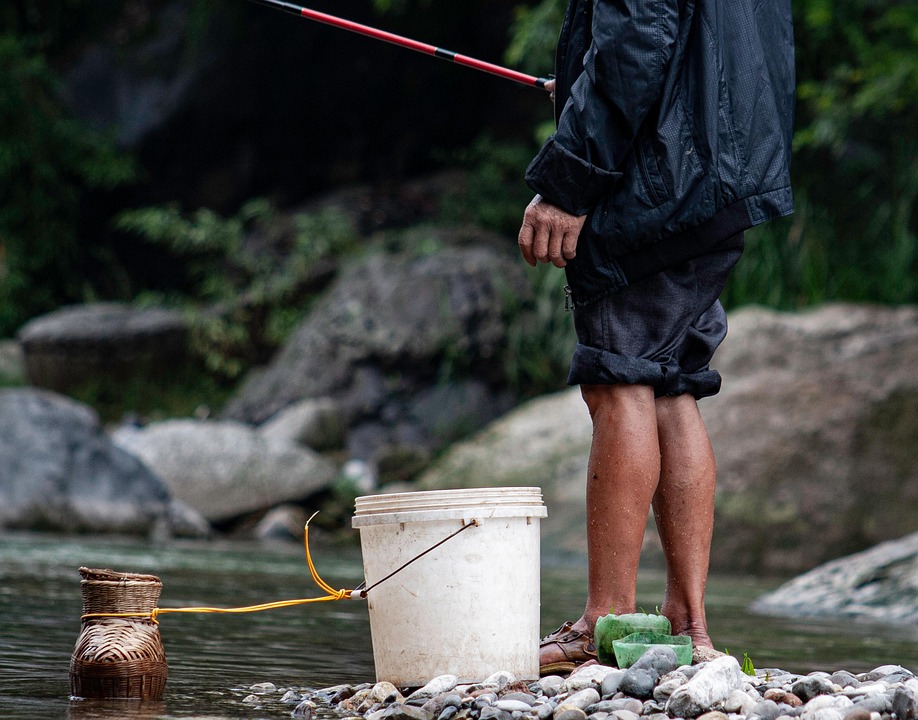
Types of Drift Fishing: There are several forms of drift fishing, including boat drifting, bank drifting, and kayak drifting. Each has its unique advantages and considerations, but the foundational principle remains the same: utilize the current to carry your bait into the feeding zones.
Choosing the Right Location
A successful drift fishing trip begins with selecting the right water. Identifying productive locations is crucial. Here are some tips:
- Current Structure: Look for natural structures like rocks, logs, and underwater ledges that provide shelter for fish.
- Depth Variations: Fish often relate to areas with varying depths; deeper sections or drop-offs can be prime spots.
- Observation: Pay attention to surface activity such as jumping fish or insects hatching, indicating feeding zones.
Essential Gear for Drift Fishing
Your success in drift fishing greatly depends on the right equipment. Investing in quality gear can make a significant difference. Here’s a breakdown of essential items:
Rods and Reels
A suitable rod and reel combination is critical. A medium to medium-light spinning rod, about 6 to 7 feet long, is often ideal for drift fishing.
- Rods: Look for rods with a sensitive tip but enough backbone to handle larger fish.
- Reels: Spinning reels with a smooth drag system are preferred for their ease of use.
Line and Terminal Tackle
Choose a good-quality monofilament or braided line, usually between 6-12 lb test. Terminal tackle will typically include:
- Swivels: These help reduce line twist.
- Weights: Split shots or egg sinkers, which allow you to control your bait’s depth.
- Bait Hooks: Hooks that match the size of your bait are crucial for effective presentation.
Bait Selection
The choice of bait is often dictated by the species you are targeting. Live bait such as worms, minnows, or grubs can be highly effective. Alternatively, artificial lures like jigs, spinners, or soft plastics also work well. Matching your bait type to the fish’s natural diet increases your chances significantly.
Mastering the Drift Technique
The methodology behind drift fishing is where the magic happens. Successful drift fishing involves several crucial steps:
Setting Up Your Rig
Your rig should be simple yet effective. Start with a weight attached to your line, followed by a swivel and then a leader line ending in a hook. Ensure that your weight is sufficient to hold your bait near the bottom yet light enough to allow a natural drift with the current.
Drifting with the Current
Once your rig is set, cast your line upstream and allow the current to carry it downstream. Watch for line movement—the slightest tug can indicate a fish has taken your bait.
Maintain contact with your bait at all times; feel for bites and be ready to set the hook. A common mistake is to let the line go slack, which may result in missed opportunities.
Keeping it Natural
To optimize your chances of success, mimic the natural behavior of the bait you’re using. If you’re using a live bait, ensure it presents itself realistically in the current. Move it up and down slightly or jig it gently to create a more enticing profile.
Understanding Fish Behavior
Fish behavior can be unpredictable, but understanding their habits can give you a significant advantage. Factors such as water temperature, time of year, and time of day all influence fish activity.
- Water Temperature: Fish are generally more active in warmer waters but will seek cooler, oxygenated areas during hot weather.
- Seasons: Each season affects fish behavior differently. Spring and fall typically offer the best fishing as fish become more active.
- Time of Day: Early morning and late evening are often the most productive times for anglers.
Landing the Fish
Successfully catching a fish is only part of the drift fishing experience. Once you’ve hooked a fish, the next challenge is landing it:
- Letting the Fish Run: Give the fish some line to tire it out, maintaining pressure to keep the hook lodged.
- Bringing it In: When you feel the fish is tired, begin reeling it in, ensuring you maintain a steady pressure.
- Netting: Use a landing net to safely bring the fish ashore, minimizing injury to the fish and ensuring a cleaner catch.
Conclusion
Drift fishing is an art that combines patience, skill, and knowledge of your environment. By understanding fish behavior, selecting the right equipment, and mastering the techniques outlined in this guide, you can improve your chances of a successful catch. Remember to respect the environment and follow local fishing regulations; sustainable fishing practices preserve these waters for future generations. With practice and dedication, you will find yourself becoming an adept drift fisherman, eager to explore waterways in pursuit of your next big catch.
Frequently Asked Questions (FAQs)
What species can I catch while drift fishing?
Drift fishing can target a variety of species including trout, bass, catfish, and even saltwater species like flounder and salmon, depending on your location.
Can I drift fish from a boat?
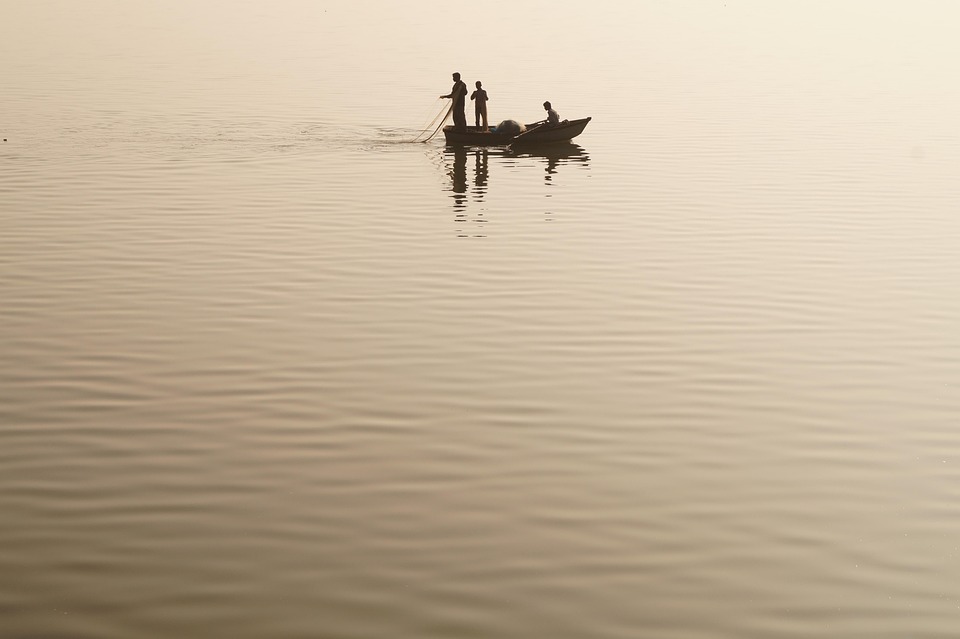
Yes! Boat drifting is a popular method, allowing anglers to cover larger areas and access deeper water while still utilizing the current.
Do I need a fishing license for drift fishing?
Yes, a valid fishing license is mandatory in many regions. Always check local regulations before heading out.
How can I improve my drift fishing skills?
Practice consistently, learn from experienced anglers, and adjust your techniques based on your observations and feedback from each fishing trip.
What is the best time of year for drift fishing?
Spring and fall are often considered the best seasons for drift fishing, as fish are generally more active and feeding aggressively during these times.
- barracuda fishing
- beach fishing
- big game fishing
- bluewater fishing
- boat fishing
- coastal fishing
- deep ocean fishing
- deep sea fishing
- drift fishing
- grouper fishing
- jigging fishing
- kingfish fishing
- mahi mahi fishing
- marlin fishing
- ocean fishing
- offshore fishing
- pier fishing
- reef fishing
- sailfish fishing
- saltwater angling
- saltwater fishing
- saltwater fishing guides
- shark fishing
- shore fishing
- snapper fishing
- sport fishing
- surf fishing
- trolling fishing
- tuna fishing









Leave a comment