





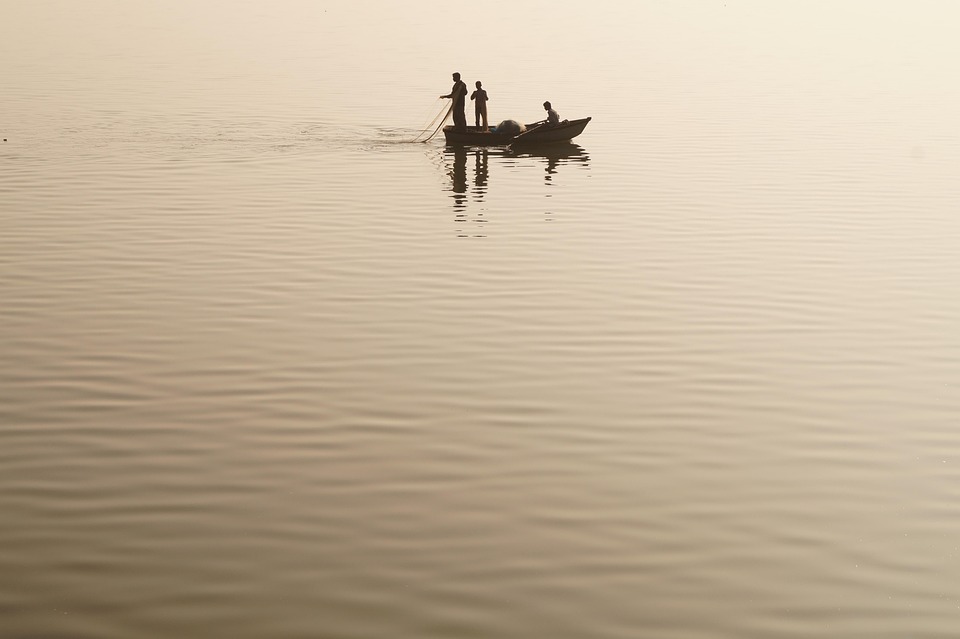



For many anglers across the United States, catfish represent the epitome of freshwater fishing. Renowned for their impressive sizes, resilient nature, and elusive behavior, catfish attract both novices and seasoned fishers alike. Catfish fishing is not just a pastime; it’s a thrilling adventure into the heart of nature, promising unforgettable experiences and the potential for a record-breaking catch.
The Thrill of the Catch
Imagine the thrill of feeling the tug on your line—a sudden jolt that sends your heart racing. You reel in your catch, and the excitement peaks as the shadowy figure emerges from the depths. It’s a catfish, twisting and turning on the surface, often larger than you anticipated. The feeling is exhilarating; the anticipation builds as you prepare to land one of these formidable fish.
The Different Species of Catfish
Understanding the different species of catfish is crucial to any successful fishing adventure. The most common types include:
- Channel Catfish: Often found in rivers and lakes, channel catfish have a distinctive forked tail and can weigh up to 50 pounds.
- Blue Catfish: Known for their large size, blue catfish can reach over 100 pounds. They are primarily located in larger rivers and reservoirs.
- Flathead Catfish: Easily recognizable by their flat heads, these catfish are fierce predators and can grow over 70 pounds.
- bullhead catfish: Smaller than the other species, bullheads are often targeted by beginner anglers.
Best Locations for Catfish Fishing
When it comes to catfish fishing, location is everything. Certain regions are particularly renowned for their abundant catfish populations:
- The Mississippi River: This mighty river is a catfish haven, particularly for blues and channels.
- The Great Lakes: Known for diverse fishing opportunities, certain parts of the lakes host sizeable catfish populations.
- Texas Lakes: With numerous lakes and rivers, Texas offers ample opportunities for catfish fishing, particularly at Lake Texoma.
- California’s Delta: The delta is home to big catfish and is known for its excellent fishing conditions.
Essential Gear for Catfish Fishing
Equipping yourself with the right gear can make a significant difference in your fishing success. Here’s a rundown of essential gear for catfish fishing:
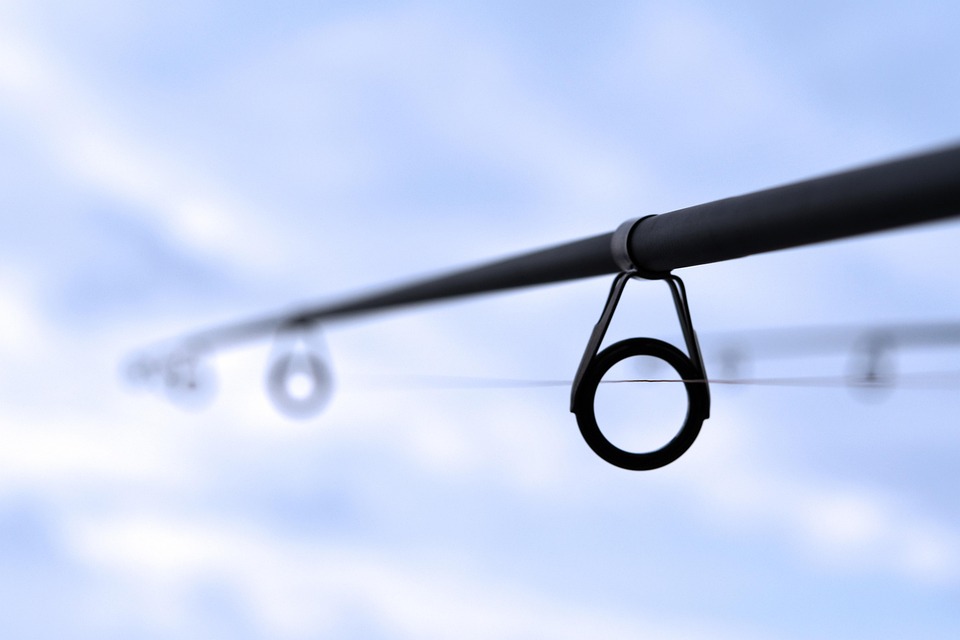
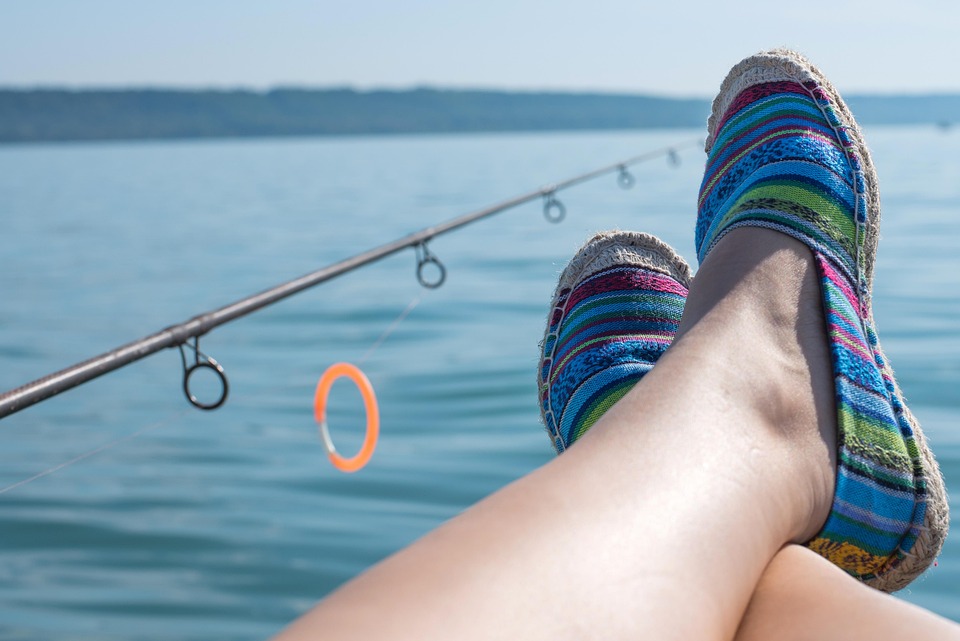
- Rod and Reel: A sturdy rod with a reel capable of handling heavier lines is necessary, especially for larger species like blue catfish.
- Fishing Line: Opt for a braided line with a break strength of at least 30-50 pounds, which can help withstand the fight of a big catfish.
- Bait: Popular choices include stinky options like chicken liver, cut bait, and stink baits, as catfish are attracted to strong odors.
- Hooks: Circle hooks are recommended because they provide better chances of hooking the fish and reducing mortality rates.
Techniques for Success
While luck plays a role in fishing, certain techniques can improve your success rate:
- Bottom Fishing: Since catfish feed near the bottom, this method involves casting your bait close to the bottom.
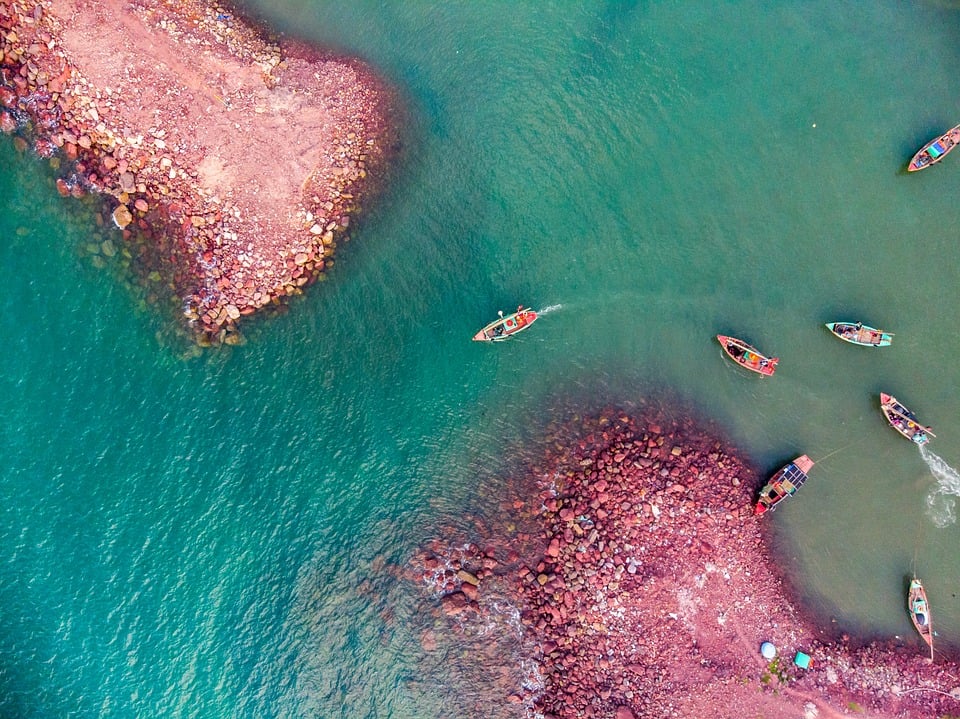
- Drift Fishing: This method uses a boat to drift over promising areas while the bait is cast out behind.
- Jug Fishing: This unique method utilizes floating jugs to suspend bait at various depths, making it easier to catch multiple fish.
Conservation and Ethical Fishing
While catfish fishing can be an exhilarating and rewarding experience, it’s essential to practice ethical fishing techniques. Overfishing can threaten catfish populations and other aquatic life. Here are some tips for conservation:
- Catch and Release: If you’re fishing for sport, consider releasing your catch to help maintain healthy populations.
- Adhere to Regulations: Always follow local fishing regulations concerning size and bag limits.
- Clean Up: Leave the environment better than you found it by picking up trash when you fish.
Catfish Fishing Adventures: Experience and Memories
Nothing compares to the joy of an adventurous day out on the water—whether you’re a solo angler or with friends and family. Catfish fishing adventures provide an opportunity for bonding, relaxation, and creating memories that last a lifetime. From the quiet, peaceful moments waiting for a tug on the line, to the thrilling battles with a strong-caught fish, every moment spent fishing is an adventure.
Conclusion
Catfish fishing is not just about the thrill of the chase; it embodies a deeper connection to nature and the joy of shared experiences. As you prepare for your next adventure, remember the importance of ethical fishing practices and remaining respectful of the environment. Whether you’re fishing from the bank, on a boat, or with friends, each trip offers a chance to relish the great outdoors, enjoy the company, and perhaps reel in the big one. Your next unforgettable catfish fishing adventure awaits!
FAQs
1. What is the best time of year to go catfish fishing?
The best time to fish for catfish is during warmer months, typically from late spring to early fall when they are most active.
2. What type of bait is most effective for catfish?
Catfish are attracted to strong-smelling baits such as chicken liver, cut bait, and various stink baits. Live bait like worms and minnows can also be effective.
3. Do I need a fishing license to catch catfish?
Yes, a fishing license is typically required, but regulations vary by state, so be sure to check the rules specific to your location.
4. Can I catch catfish from shore?
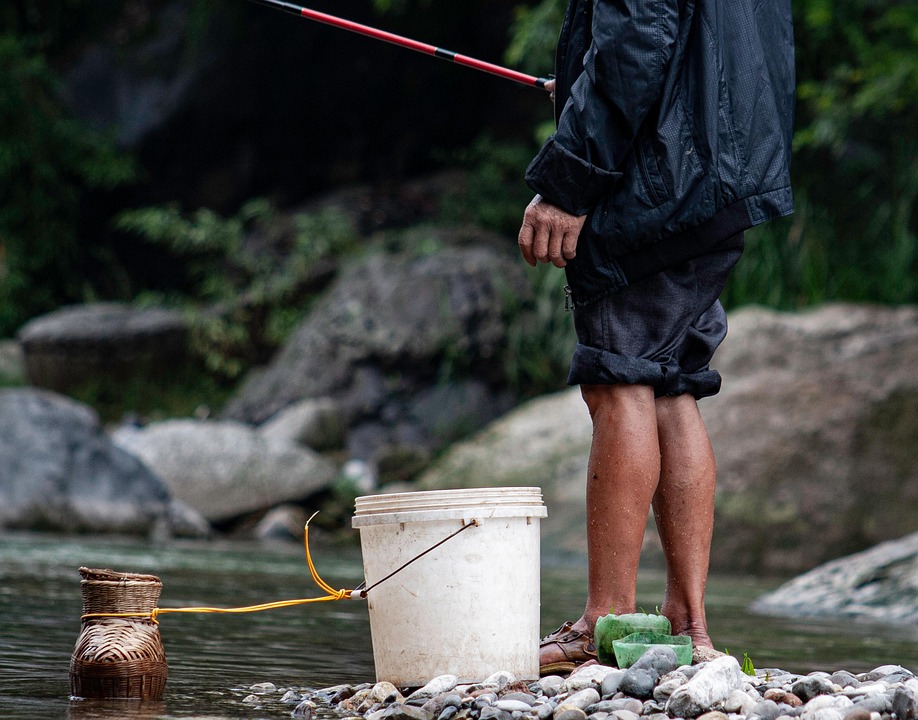
Absolutely! Many anglers successfully catch catfish from the shore using the right techniques and bait.
5. What should I do if I catch a large catfish?
If you catch a large catfish, be sure to handle it carefully. Use a net or wet cloth to help support its weight and consider releasing it back into the water to help conserve the species.
- bass fishing
- Bluegill Fishing
- carp fishing
- catfish fishing
- Crappie Fishing
- freshwater angling
- freshwater bait fishing
- freshwater fishing
- freshwater fishing gear
- freshwater fishing guides
- freshwater fishing species
- freshwater fishing techniques
- freshwater fishing tips
- freshwater fly fishing
- freshwater spinning fishing
- inland fishing
- lake fishing
- lakes fishing
- largemouth bass fishing
- muskie fishing
- panfish fishing
- Perch Fishing
- pike fishing
- pond fishing
- reservoir fishing
- reservoirs fishing
- river fishing
- rivers fishing
- Salmon Fishing
- smallmouth bass fishing
- stream fishing
- Tilapia Fishing
- Trout Fishing
- Walleye Fishing





Leave a comment