











If you’re a beginner angler looking for a rewarding and accessible fishing experience, panfishing might just be the perfect avenue for you. Characterized by species such as bluegill, crappie, and perch, panfish are not only abundant in many freshwater bodies but also provide a fantastic introduction to the art of fishing. This feature will guide you through essential tips and techniques that can help you make the most out of your panfishing adventures.
Understanding Panfish
Panfish, a term that encompasses various species of small fish, are popular among anglers for several reasons. They are usually easy to catch, have a mild taste, and are present in numerous fishing locations, including lakes, rivers, and ponds. Bluegills, crappies, and yellow perch often dominate the panfish category. Understanding the habits and habitats of these fish is key to increasing your chances of success.
Key Species to Target
- Bluegill: Known for their vibrant colors and aggressive feeding patterns, bluegills are often found near structures like rocks, weeds, and fallen trees.
- Coppie: Highly prized for their taste, crappies tend to school in large numbers and can often be found in deeper waters during the day and near the surface during low-light conditions.
- Yellow Perch: A popular choice for frying, yellow perch prefer shallow weedy areas and are most active in warmer months.
Essential Gear for Beginner Panfish Anglers
Choosing the Right Equipment
Your fishing success will largely depend on the gear you choose. As a beginner, focus on the following essentials:
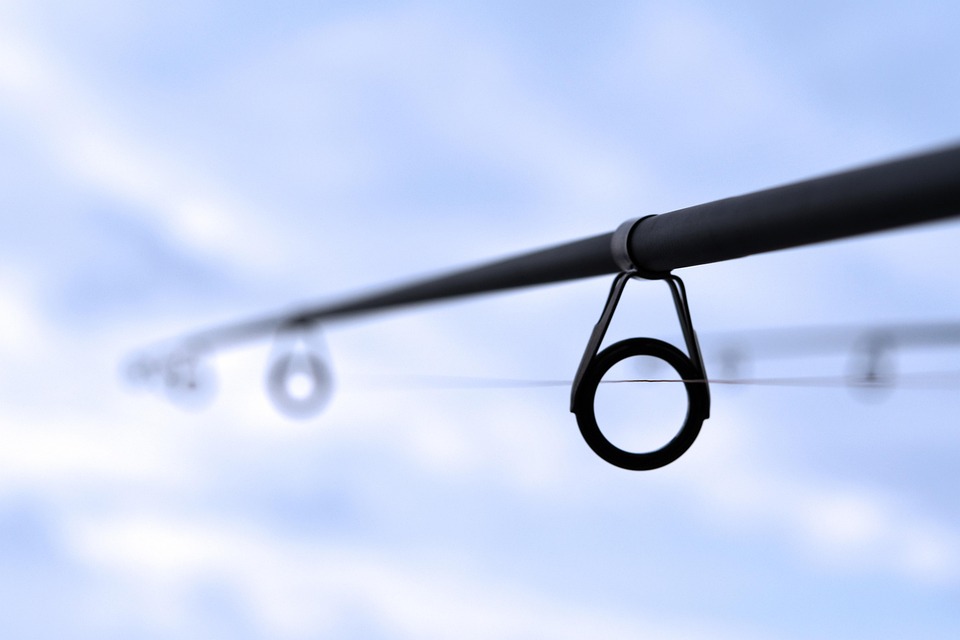
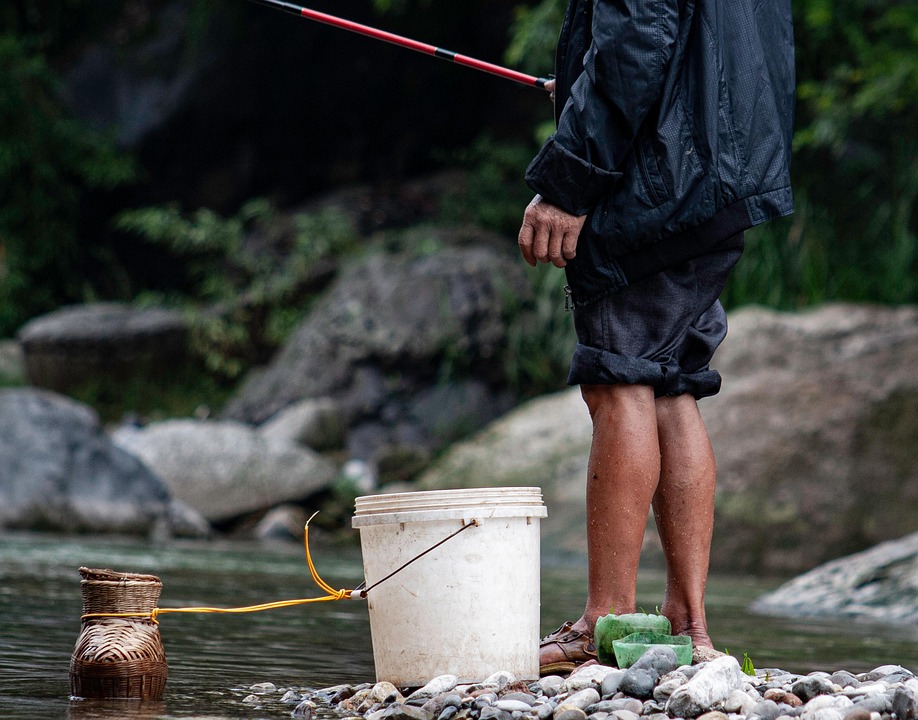
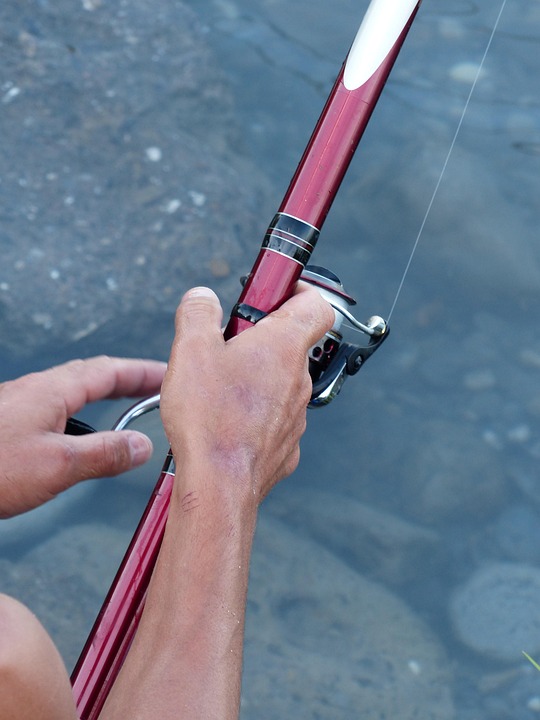
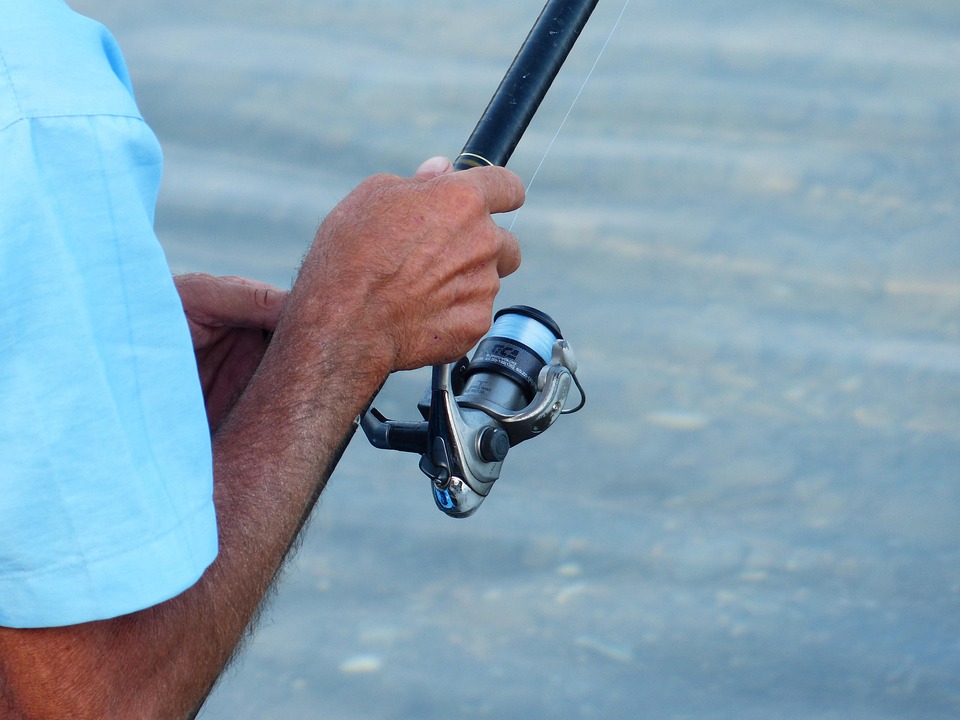
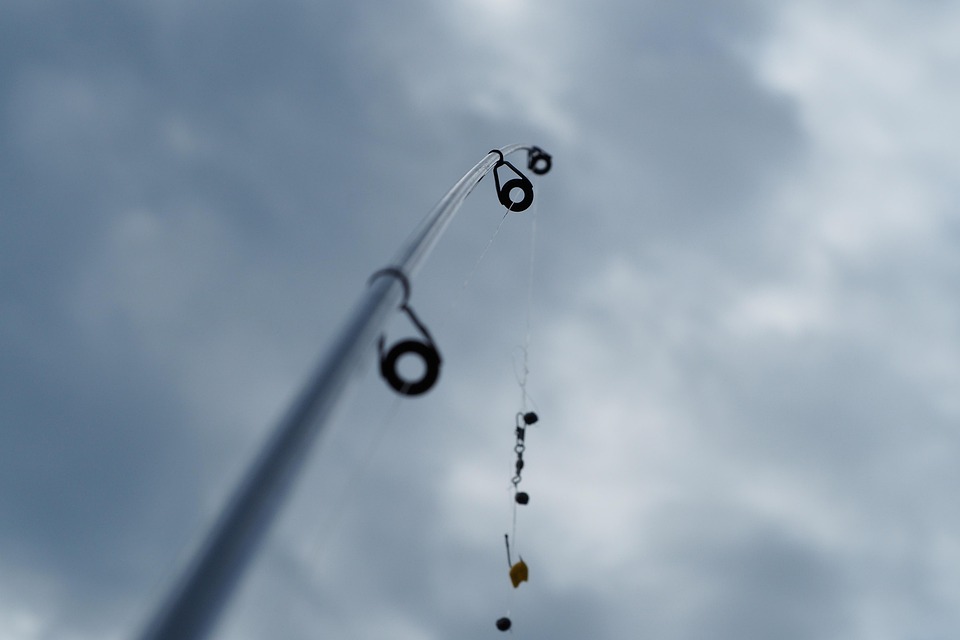
- Rod and Reel: Opt for a lightweight spinning rod (around 5 to 7 feet) paired with a spinning reel. This setup is versatile and user-friendly.
- Line: A monofilament line of 4-6 pound test is ideal for panfishing, as it is strong yet invisible to fish.
- Bait and Lures: Live bait like worms, small minnows, or crickets works wonders. Artificial lures such as small jigs, spinners, or soft plastics can also be effective.
Accessories to Consider
A few accessories can enhance your fishing experience:
- Bobbers: These floaters help detect bites and are especially useful when using live bait.
- Terminal Tackle: Hooks, sinkers, and swivels are necessary for setting up your rig effectively.
- Fishing Net: A net will assist in landing your catch without causing harm to the fish.
Finding the Right Spot
Locating Panfish
Finding the right fishing spot can be the difference between a great day and a lackluster experience. Here are some tips:
- Look for Structure: Fish are drawn to underwater structures that provide shelter and hunting grounds. Search for areas with rocks, fallen trees, or weeds.
- Check Water Temperature: Panfish prefer water temperatures between 65°F and 80°F, so look for warmer shallow waters, especially in spring and summer.
- Scout at Different Times: Early mornings and late afternoons are often the best times to fish, as panfish are more active during these hours.
Techniques to Increase Your Success
Basic Fishing Techniques
Once you’ve selected your gear and location, it’s time to hone your fishing skills. Here are some techniques to try:
- Casting: Practice your casting to cover more area and to find the fish. Aim for areas where fish are likely hiding, such as near structures.
- Retrieving: Vary your retrieval speed and technique until you find what garners bites. For instance, try a slow, steady reel followed by short jerks to imitate injured prey.
- Using a Slip Bobber Rig: This effective method allows you to control the depth at which your bait is presented, ensuring it stays at the fish’s feeding level.
Patience and Persistence: The Backbone of Successful Fishing
Fishing is as much about patience as it is about skill. If you find yourself not catching anything, don’t be discouraged. Instead, use the time to refine your technique, observe the water, and pay attention to the behavior of other anglers. Learning is part of the journey.
Conservation and Ethical Fishing Practices
As you begin your angling journey, it’s essential to practice responsible fishing. This includes:
- Catch and Release: If you’re not keeping the fish for a meal, consider releasing them carefully to ensure their survival.
- Follow Local Regulations: Always be aware of local fishing regulations regarding size limits and season dates.
- Leave No Trace: Respect nature by cleaning up your fishing area and disposing of waste properly.
Conclusion
Panfishing is a delightful way to immerse yourself in nature while enjoying a fun and accessible fishing experience. By understanding the species, choosing the right gear, locating good fishing spots, and honing your techniques, you can set yourself up for a successful outing on the water. Remember that patience is key, and always advocate for conservation and ethical practices to ensure that future generations can enjoy panfishing as well.
FAQs
1. What are the best times to go panfishing?
Early mornings and late afternoons are ideal as panfish are most active during these hours.
2. Do I need a fishing license to catch panfish?
Yes, most regions require a fishing license. Check your local regulations for specific requirements.
3. What bait is best for panfish?
Live bait like worms and crickets are effective, but small lures like jigs and spinners can also catch panfish.
4. Can I eat the fish I catch?
Yes, panfish are known for their delicious taste. Just be sure to check local guidelines regarding size limits and health advisories.
- beginner bass fishing
- beginner carp fishing
- beginner catfish fishing
- beginner fishing advice
- beginner fishing baits
- beginner fishing gear
- beginner fishing guides
- beginner fishing guides online
- beginner fishing knots
- beginner fishing lures
- beginner fishing mistakes
- beginner fishing reels
- beginner fishing rods
- beginner fishing strategies
- beginner fishing techniques
- beginner fishing tips
- beginner fishing trips
- beginner fishing tutorials
- beginner fishing videos
- beginner fly fishing
- beginner freshwater fishing
- beginner muskie fishing
- beginner panfish fishing
- beginner pike fishing
- beginner saltwater fishing
- beginner trout fishing
- fishing basics
- fishing for beginners
- how to fish
- new anglers tips







Leave a comment