








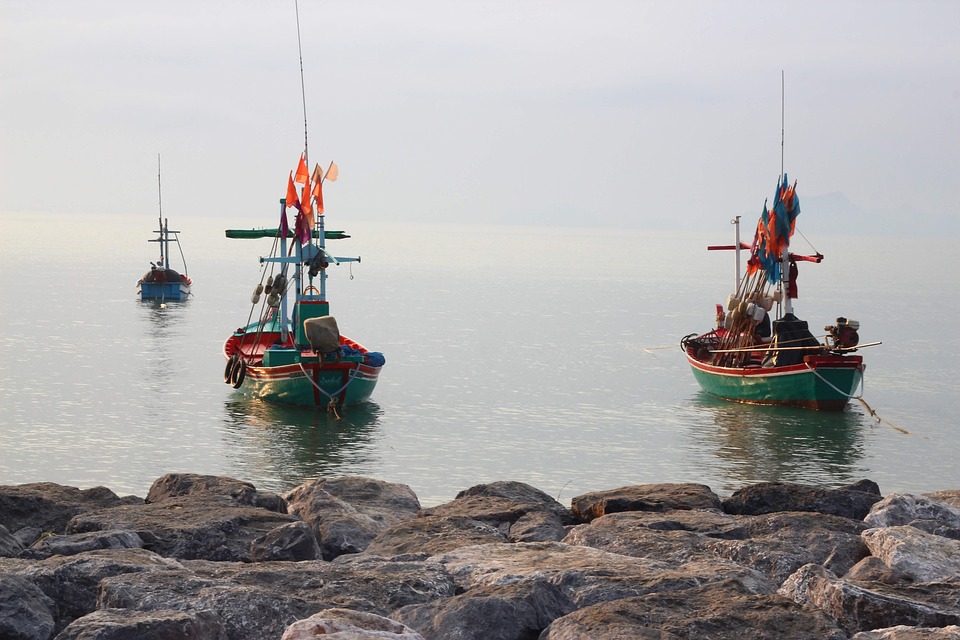

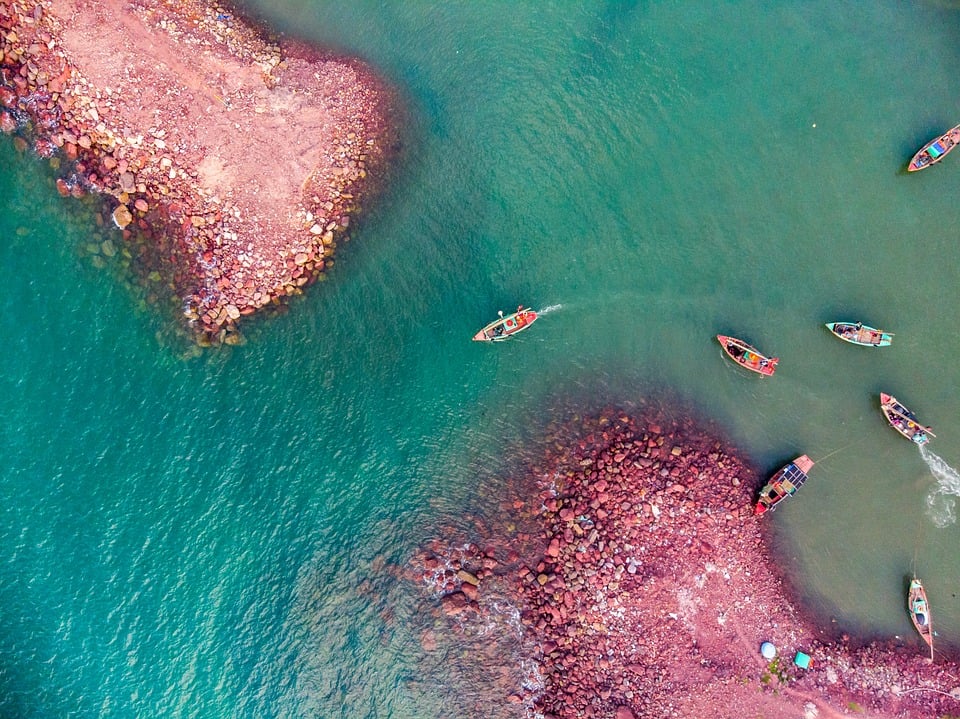


The allure of the ocean is undeniable. Its vastness, mystery, and the promise of thrilling encounters with magnificent saltwater predators draw anglers from all walks of life. From the voracious shark to the cunning barracuda and the majestic marlin, these creatures challenge both novice and seasoned fishermen alike. Mastering the art of targeting these saltwater giants requires knowledge, skill, and an understanding of the ecosystems in which they thrive.
Understanding Saltwater Ecosystems
To effectively target saltwater predators, one must first grasp the intricacies of their habitats. Saltwater ecosystems, such as coral reefs, estuaries, and coastal waters, are rich in biodiversity and play host to various species of fish.
Coral reefs, for instance, are not only visually spectacular; they brim with life. They serve as breeding grounds and nurseries for countless fish species. Meanwhile, estuaries function as dynamic interfaces between marine and freshwater ecosystems, providing essential nutrients and habitats for many saltwater predators, including juvenile sharks and game fish.
Identifying Target Species
When targeting saltwater predators, it’s essential to understand the characteristics and behaviors of potential species. Here are some iconic predators and tips for targeting them:
Sharks
Sharks are often at the top of the food chain in marine environments. Species like the great white, tiger, and hammerhead are not just powerful but also highly adaptive.
Tip: When fishing for sharks, use heavier tackle and larger bait. A good approach is to set up chum lines, which can attract sharks from a distance. Also, pay attention to tides; sharks are more active during specific tide phases, often hunting during the incoming tide.
Barracuda
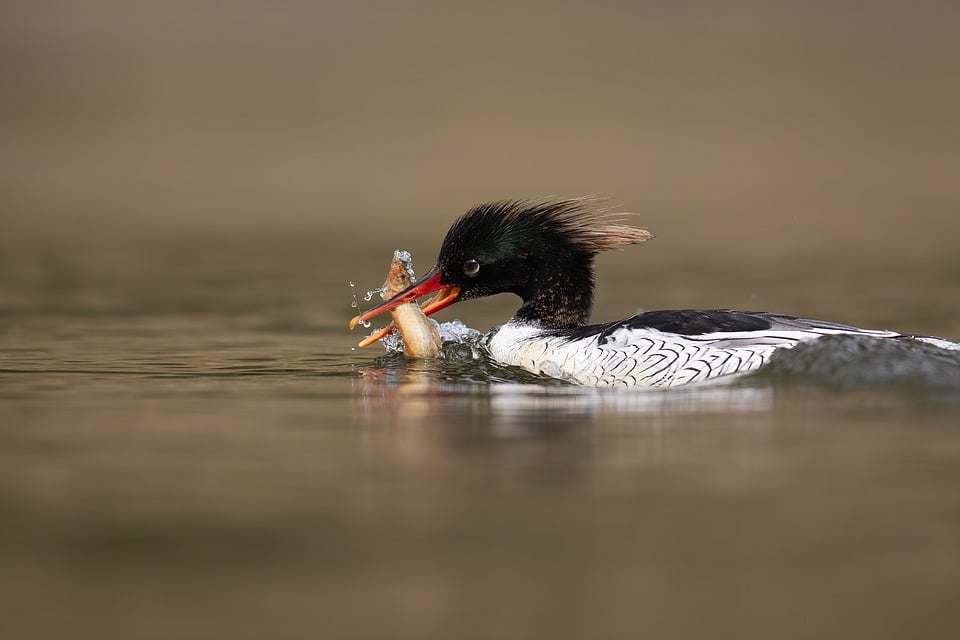
Barracudas are aggressive predators that can strike quickly, making them thrilling targets for anglers. Their sharp teeth and streamlined bodies are perfect adaptations for hunting.
Tip: When targeting barracuda, use shiny lures or spoons to mimic their natural prey. Fast retrieval techniques can provoke attacks, so experiment with varying speeds until you find what entices them best. Keeping a lookout for schools of baitfish can also indicate where barracuda might be lurking.
Groupers
Groupers are known for their strength and are often found in rocky structures or reefs. They can be elusive and require some tactical approaches to catch.
Tip: Use bottom fishing techniques with heavy weights to reach the depths where groupers dwell. Live bait, such as snapper or pinfish, can be very effective. Additionally, using a fish finder to locate underwater structures can dramatically increase your chances of success.
Marlin
For many anglers, catching a marlin is the ultimate achievement. These majestic fish can grow quite large and are known for their acrobatics and speed.
Tip: Trolling with rigged baits is a popular method for marlin fishing. Use bright-colored lures that mimic small fish, and troll at a steady pace to entice strikes. Pay attention to temperature changes in the water, as marlins tend to congregate in specific thermal fronts.
Techniques for Success
Once you’ve identified your target species, employing effective fishing techniques is crucial for success. Below are four tried and true methods:
1. Live Bait Fishing
Using live bait remains one of the most effective techniques for saltwater predators. Freshly caught bait can attract larger fish due to its natural movement and scent. Ensure you are using the right size and species of bait for your targeted predator.
2. Bottom Fishing
Many predators, especially groupers and snappers, reside near the ocean floor. This technique involves dropping baited hooks directly to the bottom where these fish are likely to be holed up.
3. Trolling
Trolling is perfect for covering expansive areas while gradually dragging lures behind the boat. This method is highly effective for pelagic species like tuna and marlin.
4. Fly Fishing
For those seeking a challenge, fly fishing can be one of the most exhilarating methods to target saltwater predators. It requires skill and finesse but offers a unique experience.
Gear Essentials
The right equipment can make all the difference when targeting saltwater predators. Key items include:
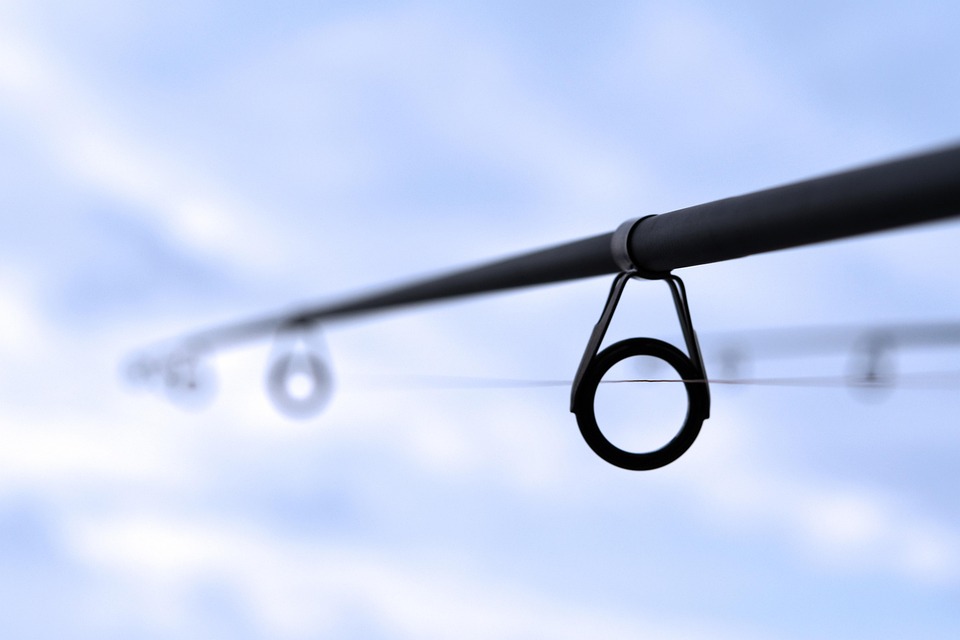
- Rods and Reels: Choose medium to heavy action rods and reels with high line capacity, especially for larger species.
- Lines: Braided lines offer strength and sensitivity, which is crucial when grappling with powerful fish.
- Bait and Lures: Invest in a variety of lures, jigs, and natural baits relevant to your target species and local conditions.
- Safety Gear: Don’t neglect personal safety equipment. Life jackets, sunscreen, and first-aid kits are essential for a safe fishing outing.
Environmental Considerations
As we enjoy the thrill of targeting saltwater predators, it’s crucial to promote responsible fishing practices. Overfishing and habitat destruction pose significant threats to marine ecosystems. To ensure sustainable fishing:
- Adhere to local regulations regarding catch limits and sizes.
- Practice catch and release when targeting species that are not for consumption.
- Be mindful of your environmental footprint, avoiding plastic and waste that could harm marine life.
Conclusion
The ocean remains one of nature’s most captivating stages, hosting an array of incredible saltwater predators. By understanding their ecosystems, identifying target species, employing effective techniques, and using the right gear, anglers can elevate their fishing experiences and enjoy unforgettable encounters. The thrill of the chase, coupled with a commitment to sustainable practices, ensures that these oceanic wonders endure for generations to come. Master the ocean, respect its inhabitants, and relish every moment spent in its embrace.
FAQs
1. What is the best time of year to fish for saltwater predators?
The best time varies by species but generally spring and fall are ideal due to spawning activities and migratory patterns. It’s also essential to consider local conditions and weather.
2. Do I need a fishing license to fish in saltwater?
Yes, most regions require a fishing license for saltwater fishing. Check your local regulations for specific requirements.
3. What is catch and release, and why is it important?
Catch and release is the practice of removing a fish from the water and returning it unharmed. It helps maintain fish populations and supports sustainable fishing practices.
4. How can I stay safe while saltwater fishing?
Wear a life jacket, stay hydrated, use sunscreen, and have a first aid kit on hand. It’s also important to inform someone about your fishing location and expected return time.
5. What are some common saltwater fishing regulations I should know?
Regulations vary by location and species but often include size limits, bag limits, and seasonal restrictions. Always check local regulations before heading out.
- advanced predator fishing
- aggressive fish fishing
- barracuda fishing
- barracuda lure fishing
- freshwater predator fishing
- large predator fishing
- muskie fishing
- muskie lure fishing
- pike fishing
- pike lure fishing
- predator angling
- predator fishing
- predator fishing baits
- predator fishing destinations
- predator fishing for beginners
- predator fishing gear
- predator fishing guides
- predator fishing lures
- predator fishing reels
- predator fishing rigs
- predator fishing rods
- predator fishing seasons
- predator fishing spots
- predator fishing tactics
- predator fishing techniques
- predator fishing tips
- predatory fish fishing
- saltwater predator fishing
- zander fishing
- zander jigging









Leave a comment