


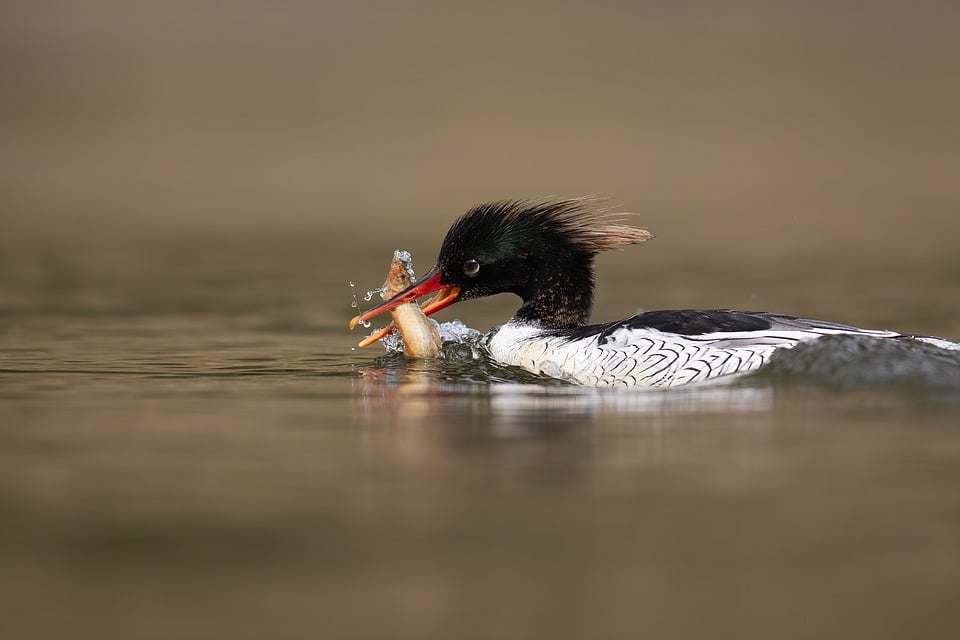











There’s a certain exhilaration that grips the heart of an angler when reeling in a big fish. The adrenaline rush, the fierce tug on the line, and the sight of a large predator breaking the surface of the water create stories that ripple through fishing communities. But what goes into successfully catching these titans of the aquatic world? In this article, we will explore the techniques, equipment, and conservation strategies involved in large predator fishing, rich with stories shared by seasoned anglers.
The Appeal of Large Predator Fishing
Fishing for large predators such as shark, pike, musky, and tuna offers a unique thrill compared to traditional angling. The challenge is amplified by the physical and mental demand of battling a fish that can weigh hundreds of pounds. For many, it’s not just about the catch, but also about the experience—both on the water and in the camaraderie with fellow anglers.
Tactics and Techniques
Choosing the Right Gear
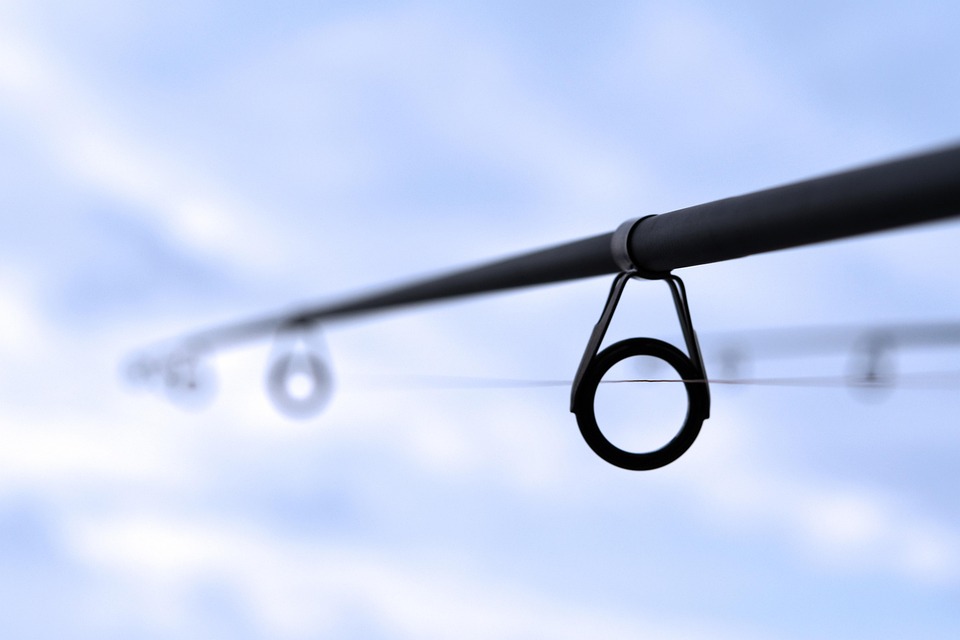
Successful large predator fishing begins with selecting the appropriate gear. Anglers must invest in high-quality rods, reels, and lines capable of withstanding the power of large fish. Here are a few popular options:
- Rods: Heavy-duty rods, often rated for 50 to 80 pounds, ensure the angler can handle high-tension situations.
- Reels: High-speed reels with a strong drag system are crucial for quick retrievals.
- Lines: Braided lines are often favored for their strength and sensitivity, allowing for better detection of bites.
Bait and Lures
Choosing the right bait or lure is crucial in enticing predatory fish. Live bait such as mullet or mackerel can be highly effective. However, many anglers have success with artificial lures that mimic the movement and color of prey. Some popular lure types include:
- Swimbaits: These move like fish, making them ideal for predator species.
- Poppers: Great for surface action and drawing attention from fish, they create a lot of noise and splashes.
- Jigs: Helpful for bottom fishing and can be dressed with soft plastice or live bait.
The Science of Large Predator Fishing
Understanding Fish Behavior
To be successful, fishermen must understand the patterns and behaviors of their target species. Seasonal changes, water temperature, and feeding habits can significantly impact fishing success. For example, many predators are more active during dawn and dusk—times when they hunt more readily. Knowledge of these behavioral patterns is often passed down through generations.
Choosing the Right Location
Location is key in large predator fishing. Factors such as underwater structures, vegetation, and water currents create ideal habitats for these species. Popular spots include:
- Estuaries, where freshwater meets saltwater and nutrients attract prey fish.
- Nearby reefs or wrecks that provide shelter and attract baitfish.
- Coves and deep holes where fish may rest during the day.
Storytelling by the Water
For many anglers, the story of their biggest catch goes beyond the size of the fish. Local lore and shared experiences build camaraderie among those who pursue large predators. Some tales become legendary. Whether it’s a harrowing struggle against a monstrous marlin or a serene moment while waiting for a musky to bite, these stories bond fishermen and create memories that last a lifetime.
The Legendary Adventures
One well-known story is of a Florida fisherman who hooked a 14-foot hammerhead shark. After more than three hours of fighting, he managed to land the colossal creature. What began as a fishing competition with friends turned into a profound respect for the ocean’s might.
Then there is the tale of a group of anglers in Wisconsin who discovered a “musky hotspot.” After months of dedicated research and countless days spent on the water, they finally landed a state-record fish weighing over 60 pounds. The thrill of the chase and the love for fishing brought them closer and ignited a fire in the local fishing community.
Conservation: A Shared Responsibility
As exciting as large predator fishing can be, the practice comes with significant responsibility. Conservation efforts are essential to ensure that future generations can enjoy these monumental fish. Overfishing, habitat loss, and climate change threaten many species. Anglers are often on the forefront of conservation movements, advocating for sustainable practices.
Best Practices for Conservation
Here are a few measures that anglers can embrace to promote conservation:
- Catch and Release: Utilizing proper techniques can minimize mortality rates for fish released back to the water.
- Inventory Awareness: Keeping updated on local regulations and species status can help protect vulnerable populations.
- Community Involvement: Participating in local cleanup efforts or supporting fishery conservation groups can make a significant impact.
Conclusion
Large predator fishing is not just a sport; it is a culture steeped in tradition, excitement, and camaraderie. By combining the right techniques, understanding fish behavior, and embracing our role as stewards of the environment, anglers can ensure that the thrill of the catch continues for generations to come. The waters host countless stories, waiting to be told, each fish a testament to the adventures of those who brave the depths for the ultimate challenge.
FAQs
1. What is the best time of year for large predator fishing?
The best time largely depends on the species you are targeting. Generally, spring and fall are prime seasons for many predators due to increased feeding activity.
2. Do I need a license for large predator fishing?
Yes, most regions require an appropriate fishing license. Always check local regulations regarding species, size limits, and licensing requirements.
3. What are some effective baits for large predator fish?
Live baits like mackerel or mullet are often preferred, but artificial lures like swimbaits and jigs can also be effective.
4. How can I practice responsible fishing?
Utilizing catch-and-release techniques, staying informed about local fish populations, and supporting conservation efforts contribute to responsible fishing practices.
5. What should I do if I catch a large fish?
If you catch a large fish, handle it with care. Use wet hands or gloves to avoid removing its protective slime, and release it quickly to minimize stress and increase its chance of survival.
- advanced predator fishing
- aggressive fish fishing
- barracuda fishing
- barracuda lure fishing
- freshwater predator fishing
- large predator fishing
- muskie fishing
- muskie lure fishing
- pike fishing
- pike lure fishing
- predator angling
- predator fishing
- predator fishing baits
- predator fishing destinations
- predator fishing for beginners
- predator fishing gear
- predator fishing guides
- predator fishing lures
- predator fishing reels
- predator fishing rigs
- predator fishing rods
- predator fishing seasons
- predator fishing spots
- predator fishing tactics
- predator fishing techniques
- predator fishing tips
- predatory fish fishing
- saltwater predator fishing
- zander fishing
- zander jigging











Leave a comment