










Lake fishing offers both a tranquil escape and a challenging adventure for anglers of all skill levels. With the right knowledge and techniques, even novice fishers can reel in impressive catches. This article dives deep into the secrets of successful lake fishing, featuring insights from seasoned professionals who have spent years honing their skills on the water.
Understanding Lake Ecosystems
To become a successful lake angler, it’s crucial to comprehend the lake ecosystem. Lakes can be categorized into three types: natural, artificial, and urban. Each type has its own unique features and fish populaces. Natural lakes typically have abundant vegetation and a diversity of fish species, while artificial lakes may be designed specifically for recreational fishing.
Professional angler Mike Iaconelli emphasizes the importance of understanding the food chain within the lake. “Fish are like us; they want to eat,” he says. “If you know the types of bait that are prevalent in a lake, you can choose your lures effectively.” Familiarizing yourself with the local ecosystem not only improves your chances of catching fish but also enhances your overall fishing experience.
Choosing the Right Gear
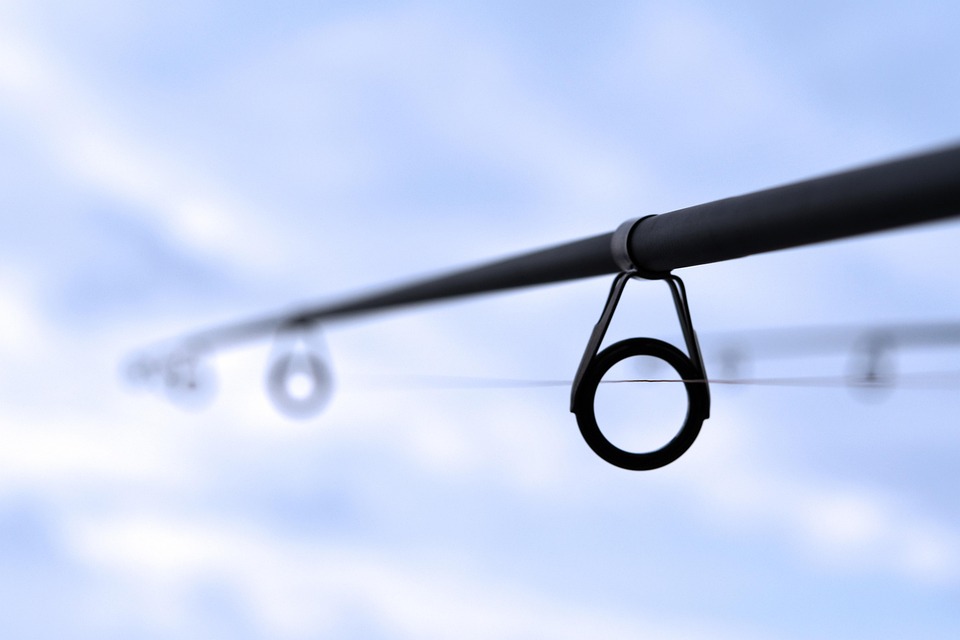
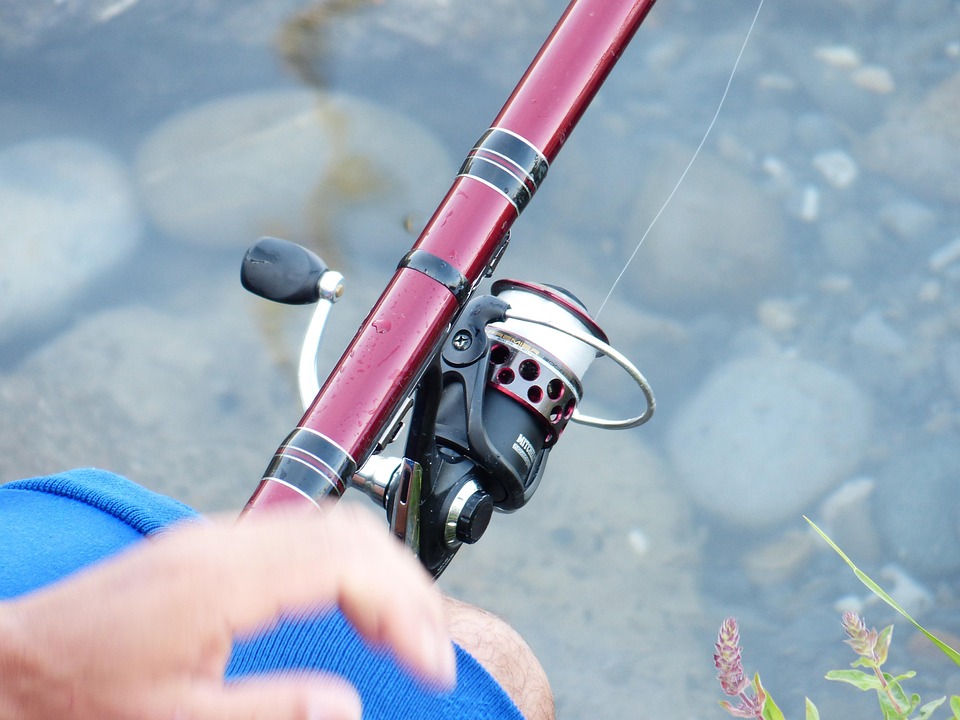
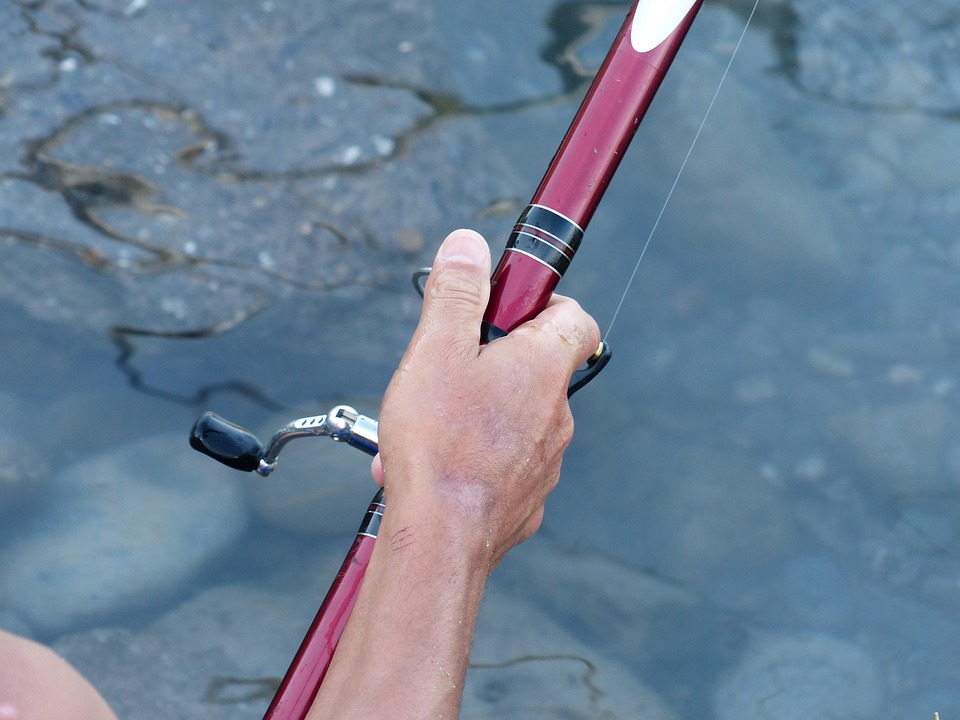
Your gear can significantly impact your fishing success. When selecting fishing poles, reels, and tackle, it’s important to consider the type of fish you’re targeting. For instance, light tackle is ideal for panfish, while heavier gear is better suited for larger species like bass or pike.
Rods and Reels
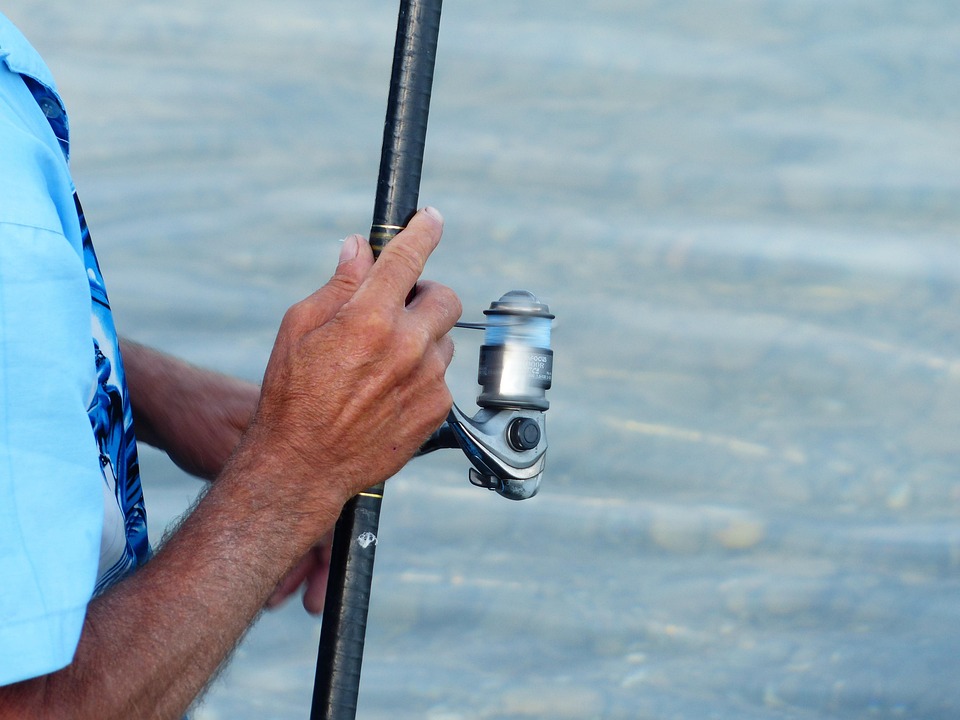
Choosing the right rod and reel combination is crucial. The consensus among professionals is to match the gear to the species:
- Light Tackle: For species like bluegill or crappie, opt for a light spinning rod paired with a reel that can handle lighter line.
- Medium Tackle: Bass fishing often requires medium to medium-heavy gear, which offers versatility for various techniques.
- Heavy Tackle: When targeting larger fish like catfish or trophy pike, heavy rods and high-capacity reels are necessary.
Lines and Lures
Line selection is equally important. Braided lines offer strength and sensitivity, while monofilament lines provide stretch and buoyancy. As for lures, many professionals recommend having a variety in your tackle box. Jerkbaits, crankbaits, and spinners can all be effective, depending on the conditions and fish species.
Timing Your Fishing Trip
Time of day plays a critical role in fishing success. Many anglers agree that early morning and late evening are often the best times to fish. During these periods, fish are most active, seeking food near the surface. Moreover, understanding seasonal patterns can greatly improve your fishing outcomes.
“In the spring, fish are moving from deeper waters to shallower spawning areas,” explains professional fisherman and educator, Emily Miller. “In contrast, during the summer, you may need to fish deeper or look for shaded areas to find them.” Keeping an eye on weather patterns is also essential; overcast days can lead to fantastic fishing while bright sunny days often see fish retreat to deeper waters.
Locating Fish in Lakes
Locating fish can be one of the most challenging aspects of lake fishing. Successful anglers use various techniques to find their quarry:
Understanding Structure
Fish are often found around structures like submerged rocks, fallen trees, and vegetation. These structures provide shelter and hunting grounds for fish. Using sonar technology can help pinpoint these areas, but for those without advanced gear, observing water ripples and bird activity can be beneficial.
Utilizing Depth Finders
Modern depth finders are game-changers for lake fishing. These devices allow you to see the underwater structure and the fish that inhabit it. Having this information can focus your fishing strategy and save time.
Expert Techniques and Strategies
There’s an array of techniques that professional anglers employ to maximize their success. Here are some promising methods:
Live Bait vs. Artificial Lures
While artificial lures offer convenience, many professionals still swear by live bait. Worms, minnows, and leeches can attract fish more effectively since they mimic natural prey. However, knowing when to switch to lures can also enhance your chances of a catch. Experimenting with different options can yield surprising results.
Slow Fishing Techniques
One critical piece of advice from professionals is to slow down. “Many anglers are eager to cast and retrieve quickly, thinking that speed will attract fish,” says pro angler John Cox. “But sometimes, a slow presentation is more effective, allowing fish to realize the lure is food.”
Fishing Etiquette and Conservation
While mastering fishing techniques is essential, respecting the environment and fellow anglers is equally important. Adopting a catch-and-release approach for certain species helps maintain fish populations. Moreover, being mindful of other fishers’ spaces ensures everyone enjoys the experience.
A key tip is to educate yourself on local fishing regulations, which vary greatly from one region to another. Ensure you have the necessary permits and observe size limits during your fishing outings.
Conclusion
Mastering lake fishing requires a blend of knowledge, technique, and respect for the environment. By understanding the lake ecosystem, selecting the right gear, and applying proven strategies from seasoned professionals, anglers can significantly increase their success rates. Whether you are a seasoned fisherman or just starting, these insights will not only improve your skills but also deepen your appreciation for the art of fishing.
FAQs
What is the best time to fish in a lake?
The best times are typically early morning and late evening, especially during warmer months when fish are most active.
What type of bait is most effective for lake fishing?
This can vary by region and target species. Live bait like worms, minnows, and leeches is often quite effective, while colorful artificial lures can also yield great results.
How can I locate fish in a lake?
Fish tend to gather around structures like rocks and vegetation. Using sonar technology can help locate these areas, but outdoor observation can also guide you in identifying potential hotspots.
Why is fishing etiquette important?
Respecting fellow anglers and the environment enhances everyone’s experience and promotes sustainable fishing practices that benefit fish populations.
What gear do I need for different types of lake fishing?
It varies depending on the species you’re targeting. Light gear is suitable for panfish, while heavier gear should be used for larger species like bass or pike.
- bass fishing
- Bluegill Fishing
- carp fishing
- catfish fishing
- Crappie Fishing
- freshwater angling
- freshwater bait fishing
- freshwater fishing
- freshwater fishing gear
- freshwater fishing guides
- freshwater fishing species
- freshwater fishing techniques
- freshwater fishing tips
- freshwater fly fishing
- freshwater spinning fishing
- inland fishing
- lake fishing
- lakes fishing
- largemouth bass fishing
- muskie fishing
- panfish fishing
- Perch Fishing
- pike fishing
- pond fishing
- reservoir fishing
- reservoirs fishing
- river fishing
- rivers fishing
- Salmon Fishing
- smallmouth bass fishing
- stream fishing
- Tilapia Fishing
- Trout Fishing
- Walleye Fishing




Leave a comment