















Fishing is one of the most relaxing and rewarding outdoor activities. However, for beginners, it can be a daunting task filled with unpredictable challenges. While it’s a matter of patience and practice, many newcomers to fishing make fundamental mistakes that can lead to frustration. Understanding these common pitfalls can enhance your fishing experience immensely. This article will delve into the common mistakes novice anglers often make, providing insights to help you avoid the hook—not just of the bait, but of frustration and disappointment.
1. Skipping the Research
Before heading out to fish, it’s vital to understand the local environment and species you’re targeting. Each fishing spot has its unique characteristics—water temperature, depth, and types of fish present. Ignoring research is often one of the first mistakes beginners make.
- Species Knowledge: Learn about the fish you are targeting. Understand their feeding habits, seasonal behavior, and the best time of day to fish for them.
- Location: Familiarize yourself with the fishing location. Is it freshwater or saltwater? Is it a pond, lake, river, or ocean? Each location has specific rules and conditions that affect fishing.
- Regulations: Always abide by local fishing regulations. Know the limits on catch size, species that are protected, and any licensing requirements.
2. Choosing the Wrong Gear
Beginner anglers often underestimate the importance of selecting the right equipment. Using inappropriate gear can impede your success and enjoyment.
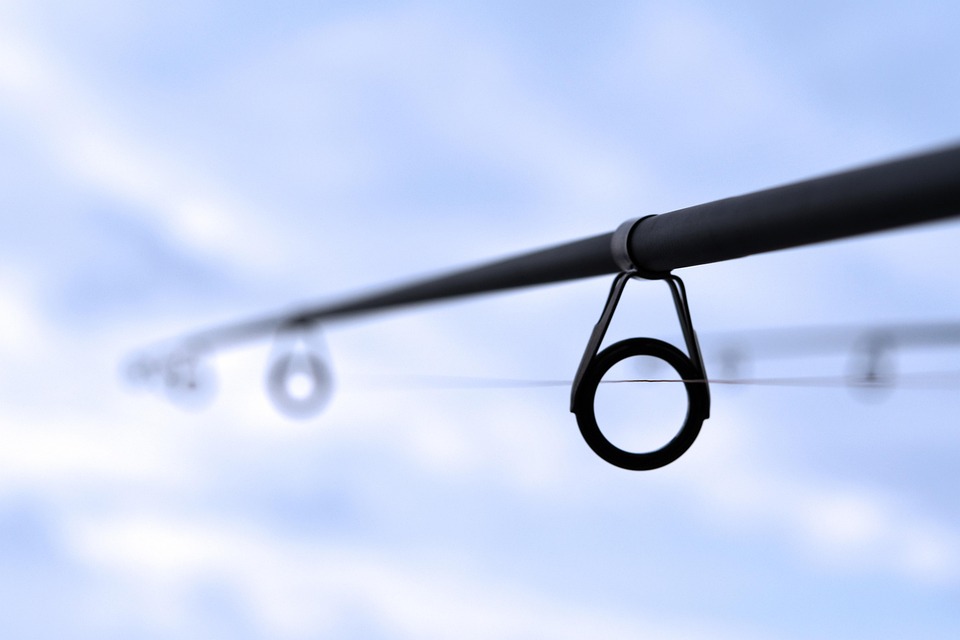
- Rod and Reel: Understand the type of fishing you will be doing to select the appropriate rod and reel combination. A lightweight rod is ideal for smaller fish, while a heavier rod is necessary for larger species.
- Line Selection: Different types of fishing lines (monofilament, braided, or fluorocarbon) serve various purposes and have specific strengths. Match your line to your rod and the type of fish.
- Hooks and Baits: Choose hooks that match the size of the fish you’re targeting. Live bait works effectively for particular species, while artificial baits may attract others.
3. Ignoring Proper Casting Technique
The casting technique is essential for ensuring that you place your bait in the right spot. Many beginners overlook proper casting methods, resulting in poor bait placement and frustration.
- Practice: Take time to practice your casting technique on land. Good form and technique will enhance your precision and distance when casting into the water.
- Aim for Structures: Fish often hide near structures such as logs, rocks, or vegetation. Learn to place your bait near these strategic locations rather than casting aimlessly.
4. Overlooking Weather Conditions
Weather plays a significant role in fishing success. Beginners often overlook how factors such as wind, rain, and barometric pressure can affect fish behavior.
- Sunlight: Fish tend to be more active during specific times of the day—early morning or late afternoon. Bright sunlight can make fish skittish, causing them to retreat to cooler, shaded areas.
- Wind Patterns: Wind can change water temperature and oxygen levels, affecting where fish are located. A light breeze can be beneficial, while strong winds may hinder fishing success.
5. Neglecting Proper Fish Handling
Once you successfully catch a fish, the next sequence of events is crucial. Improper handling can lead to harm, impacting future populations of species.
- Catch and Release: If you plan on releasing the fish, ensure you handle them carefully. Use wet hands to prevent damaging their protective slime layer.
- Use of Tools: Employ tools such as pliers and nets to help with releasing fish without causing injury.
6. Fishing the Same Spot Repeatedly
After some initial success in a particular area, many beginners fall into the trap of overfishing a spot. Fish can become wary and less willing to bite if the same area is over-fished.
- Rotate Locations: Have a few go-to spots and rotate your fishing areas. This gives the fish a break and increases your chances of success elsewhere.
- Pay Attention: Observe the area for signs of feeding activity, such as jumping fish or birds, which may indicate a productive spot.
7. Being Impatient
Fishing is as much about patience as it is about technique. Beginners often get discouraged if they do not catch fish quickly.
- Build Up Tolerance: Accept that catching fish takes time. Embrace the peacefulness of being outdoors, and don’t let the absence of fish ruin your experience.
- Stay in One Spot: Sometimes, patience pays off. Don’t move too often; fish may come to the bait after a while, especially if it’s a popular location.
8. Underestimating Safety Measures
Safety is an often-overlooked aspect of fishing, especially for beginners who may not immediately recognize potential hazards.
- Life Jackets: Wear a life jacket when fishing, especially from a boat or along unstable shorelines. Safety should always be a priority.
- Weather Awareness: Be mindful of changing weather conditions. Thunderstorms can arise quickly, particularly in open waters.
Conclusion
Fishing can be a fulfilling hobby that brings joy, relaxation, and even a bit of adventure. However, beginners often stumble upon common mistakes that can lead to disappointment. By understanding and steering clear of these pitfalls—such as selecting the wrong gear, ignoring research, and being impatient—you can enhance your fishing experience significantly.
With practice and patience, you’ll learn not only how to catch fish but also how to appreciate the tranquility that comes with fishing. As you gain experience, you’ll be better equipped to make informed decisions and ultimately enjoy a successful outing on the water. So next time you hit the lake or river, remember these tips, avoid the hook, and reel in not just fish but a memorable experience.
FAQs
1. What is the best time of day to go fishing?
Early morning and late afternoon, around dawn and dusk, tend to be the most productive times to fish as many species are actively feeding.
2. Do I need a fishing license?
Yes, most places require a fishing license. Check your local regulations for specifics regarding licensing and restrictions.
3. How do I know what bait to use?
Research the species you are targeting and what their preferred food sources are. Live bait often yields better results, but artificial lures can also be effective.
4. Can I fish from shore?
Yes, many species can be caught from the shore. Look for areas with structures, like rocks or fallen trees, that attract fish.
5. What should I do if I catch a fish?
Handle it carefully to prevent injury. If you plan to release it, wet your hands and use proper techniques to minimize harm. If you catch it for food, follow local guidelines for keeping and cleaning the fish.
- beginner bass fishing
- beginner carp fishing
- beginner catfish fishing
- beginner fishing advice
- beginner fishing baits
- beginner fishing gear
- beginner fishing guides
- beginner fishing guides online
- beginner fishing knots
- beginner fishing lures
- beginner fishing mistakes
- beginner fishing reels
- beginner fishing rods
- beginner fishing strategies
- beginner fishing techniques
- beginner fishing tips
- beginner fishing trips
- beginner fishing tutorials
- beginner fishing videos
- beginner fly fishing
- beginner freshwater fishing
- beginner muskie fishing
- beginner panfish fishing
- beginner pike fishing
- beginner saltwater fishing
- beginner trout fishing
- fishing basics
- fishing for beginners
- how to fish
- new anglers tips









Leave a comment