





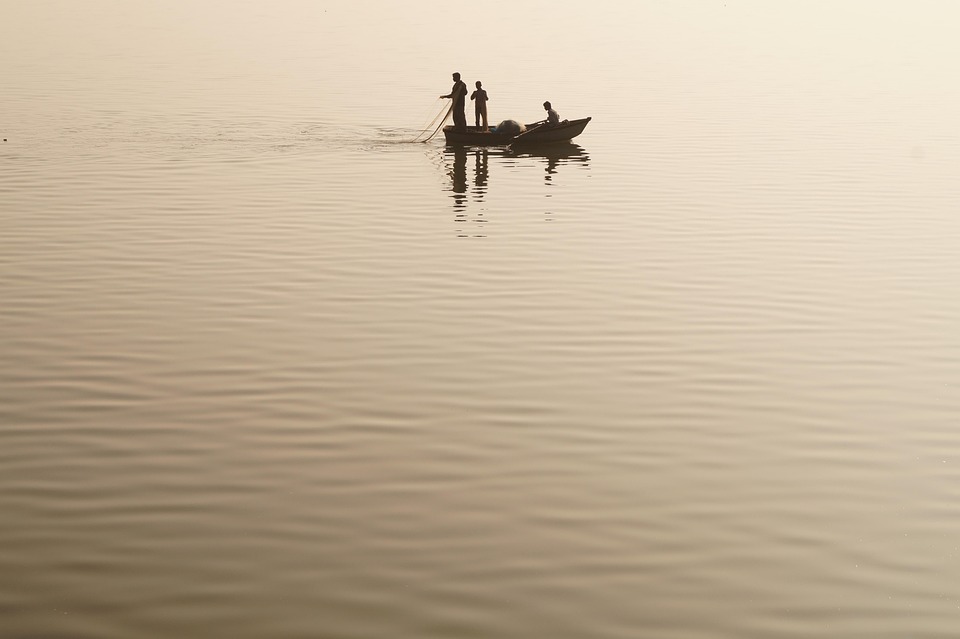



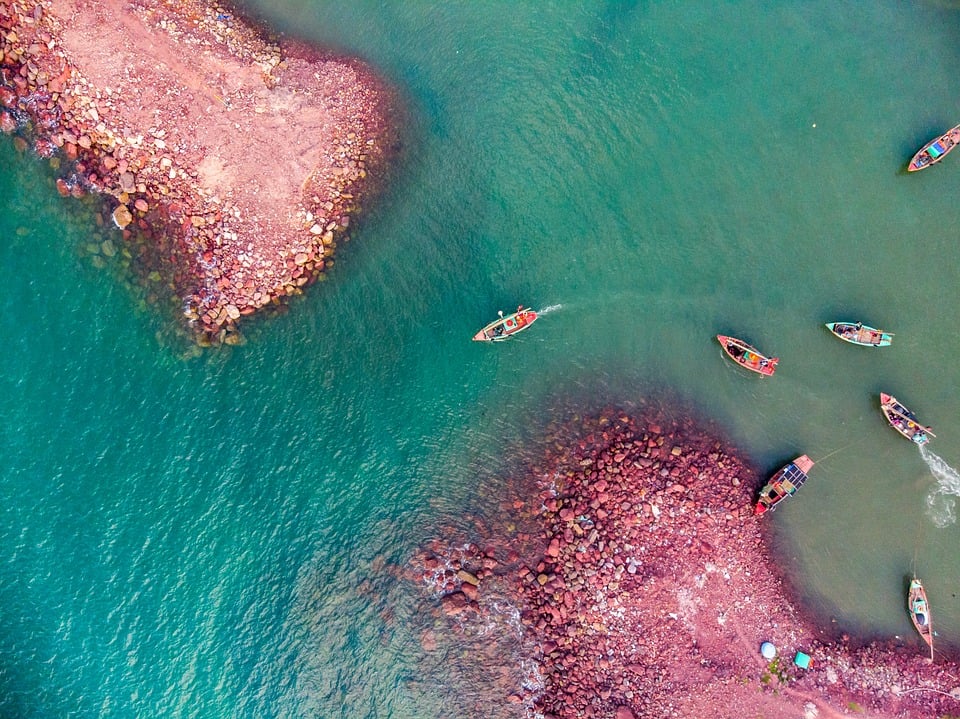
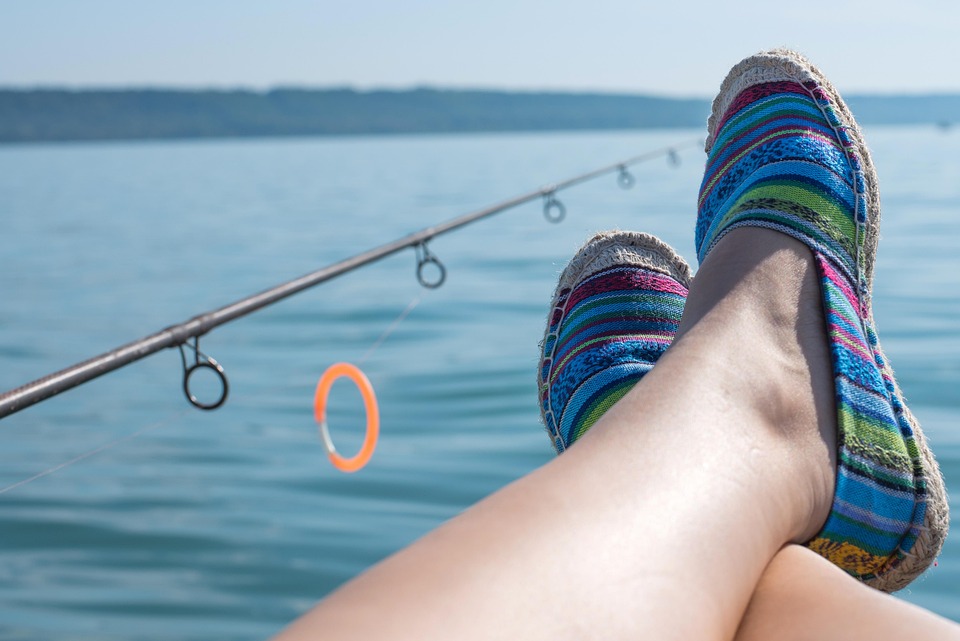


The serene yet thrilling pursuit of saltwater predator fishing has captured the hearts of anglers worldwide. From the expansive ocean waters to the thrilling battle between man and beast, this sport embodies the essence of adventure and skill. Saltwater fishing isn’t just about the catch; it’s about chasing giants, embracing nature, and finding one’s depth in the vast waters.
The Allure of the Ocean
The ocean has always held a unique charm, drawing adventurers and explorers alike to its unpredictable depths. For anglers, the thrill of casting a line into the open sea represents more than a mere escape; it signifies a quest for both sustenance and connection with nature. Saltwater fishing specifically targets a range of powerful, elusive predators, adding excitement and unpredictability to the experience.
Understanding Saltwater Predators
When we speak of saltwater predator fishing, we often refer to species like:
- Tuna: Known for their speed and strength, species like Bluefin and Yellowfin are among the most sought-after catches.
- Sharks: From the ferocious Great White to the sleek Mako, sharks present both a challenge and a thrill.
- Marlin: Renowned for their acrobatic jumps and speed, Marlins are the holy grail for many sport fishermen.
- Tarpon: These ‘Silver Kings’ are famous for their size and spectacular leaps out of the water.
Understanding the behavior of these predators is crucial for successful fishing. Their feeding patterns, habitat preferences, and migratory routes can significantly influence the success of a fishing trip.
The Techniques of the Trade
Mastering saltwater predator fishing involves a blend of art and science. Anglers employ various techniques based on the species they target, environmental conditions, and personal preferences.
1. Trolling
Trolling is a popular technique for targeting fast-moving pelagics like tuna and marlin. Anglers drag lures or bait behind a moving boat while adjusting the speed to entice the fish. This technique allows for covering large areas of water, increasing the chances of a successful catch.
2. Casting
For species like tarpon and snook, casting is often the preferred method. Anglers cast lures or baited hooks ahead of the fish, allowing them to develop a natural presentation. This technique requires precision and patience, particularly in heavily fished areas.
3. Jigging
This vertical method involves dropping a weighted jig to desired depths and then retrieving it with quick, erratic movements. It’s effective for bottom-dwelling species like grouper and snapper.
4. Fly Fishing
Saltwater fly fishing is an art form in itself, targeting species like bonefish and tarpon with specialized lightweight lures. This method demands exceptional skill and is often practiced in shallow, clear waters.
The Gear that Makes It Happen
Equipping oneself for saltwater predator fishing requires thoughtful consideration. Not only does the gear impact the experience, but it can also be the difference between a successful catch and a frustrating day on the water.
Rods and Reels
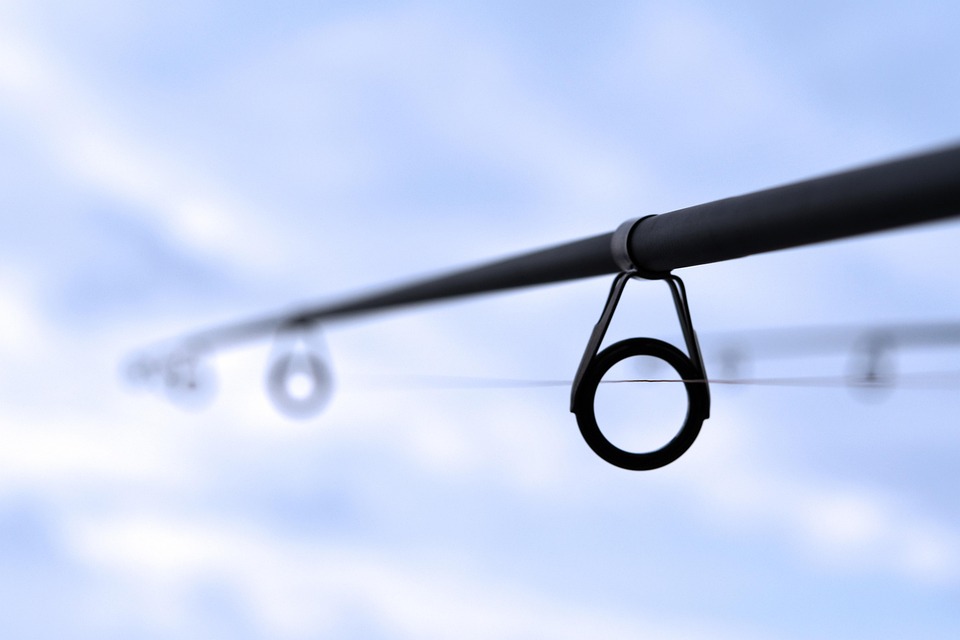
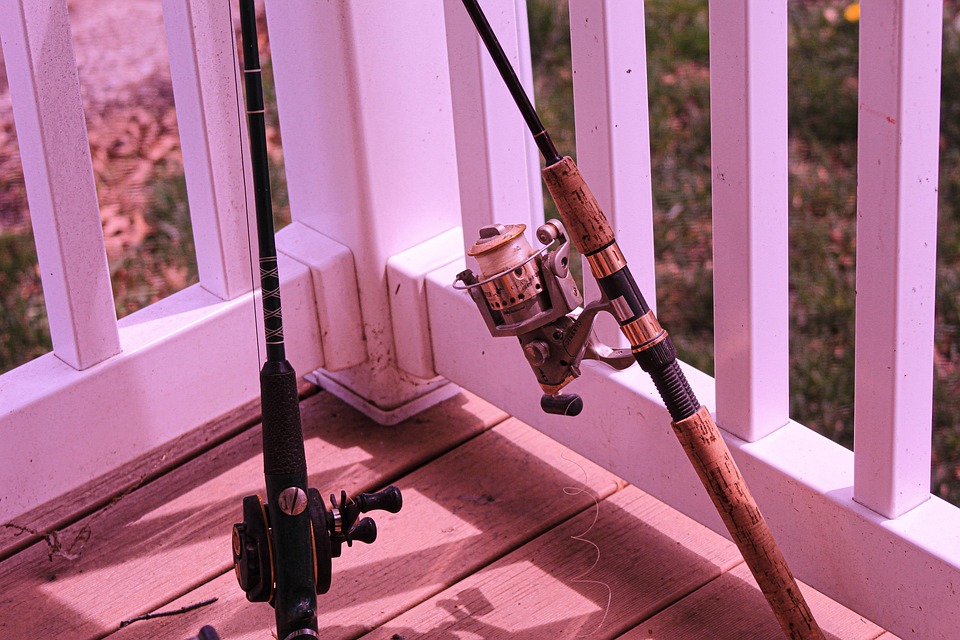
Choosing the right rod and reel is essential. Saltwater rods are typically made of materials that can withstand corrosion and the force of powerful fish. High-quality spinning reels with powerful drag systems can help ensure a successful fight against predators.
Terminal Tackle
From hooks and swivels to leaders and weights, terminal tackle varies based on targeted species. Specialty hooks for specific species can improve the chances of hooking a fish, while fluorocarbon leaders often help reduce visibility in the water.
Baits and Lures
The choice between live bait and artificial lures often depends on the species targeted. While some anglers swear by the effectiveness of live bait, others find success with realistic lures that mimic the movements of prey.
Conservation and Ethics in Fishing
With the increasing popularity of saltwater predator fishing comes a responsibility to protect marine ecosystems. Overfishing can have devastating impacts on fish populations and the environment as a whole. To mitigate these effects, many fisheries promote sustainable fishing practices.
Catch and Release
Many experienced anglers advocate for catch-and-release practices, especially for species that are threatened or subject to strict management regulations. This approach ensures the fish can continue to thrive and provide future generations with the same thrill.
Being an Informed Angler
Staying informed about local regulations and the health of fish populations is essential. Many states have implemented conservation measures, including size limits, seasonal closures, and bag limits to promote healthy ecosystems.
Finding the Right Adventure
Choosing a destination for saltwater predator fishing can be exhilarating in itself. From tropical paradises to rugged coastlines, the world is filled with prime fishing hotspots.
Popular Destinations
Some of the most renowned destinations for saltwater fishing include:
- Florida Keys: Famous for tarpon, snapper, and billfish, the Keys are a mecca for anglers.
- Bahamas: This idyllic locale offers crystal-clear waters and abundant bonefish.
- Alaska: For those seeking salmon and halibut, Alaska’s pristine waters are hard to top.
- Costa Rica: Known for its rich biodiversity, Costa Rica boasts opportunities for marlin, sailfish, and more.
The Experience Beyond Fishing
While catching a giant is thrilling, saltwater predator fishing offers more than just the act itself. The experience encompasses camaraderie, the beauty of nature, and moments of introspection. Sharing tales with fellow anglers while recounting the day’s battles creates bonds that last a lifetime.
Connecting with Nature
Many anglers find solace at sea, away from the hustle and bustle of daily life. The vastness of the ocean, the sounds of waves, and the sight of sea creatures in their natural environments bring a sense of tranquility that’s hard to replicate elsewhere.
Conclusion
The pursuit of saltwater predators is a unique blend of excitement, skill, and respect for nature. From understanding the nuances of fishing techniques to selecting the right gear, each aspect is an essential part of the journey. However, the essence of chasing giants goes beyond the thrill of catching; it embodies connection—one with the ocean, our fellow anglers, and the immense power of nature itself. As we cast our lines into the deep blue, we embrace not only the challenge of the catch but also commit ourselves to its preservation, ensuring the thrill transcends generations.
FAQs
What is the best time of year to go saltwater predator fishing?
The best time varies based on location and species. Generally, spring and fall are peak seasons in many areas, but it’s essential to research specific locations and species to maximize your chances.
Do I need a fishing license for saltwater fishing?
Yes, most states require a fishing license for saltwater fishing. Regulations vary, so it’s crucial to check local laws before heading out.
What species are considered the hardest to catch?
Species like tarpon, marlin, and certain types of sharks are considered challenging due to their size, strength, and acrobatic tendencies during the fight.
How can I ensure a sustainable fishing experience?
Follow all local regulations, practice catch and release where applicable, and stay informed about the health of fish populations to promote responsible fishing practices.
- advanced predator fishing
- aggressive fish fishing
- barracuda fishing
- barracuda lure fishing
- freshwater predator fishing
- large predator fishing
- muskie fishing
- muskie lure fishing
- pike fishing
- pike lure fishing
- predator angling
- predator fishing
- predator fishing baits
- predator fishing destinations
- predator fishing for beginners
- predator fishing gear
- predator fishing guides
- predator fishing lures
- predator fishing reels
- predator fishing rigs
- predator fishing rods
- predator fishing seasons
- predator fishing spots
- predator fishing tactics
- predator fishing techniques
- predator fishing tips
- predatory fish fishing
- saltwater predator fishing
- zander fishing
- zander jigging









Leave a comment