
















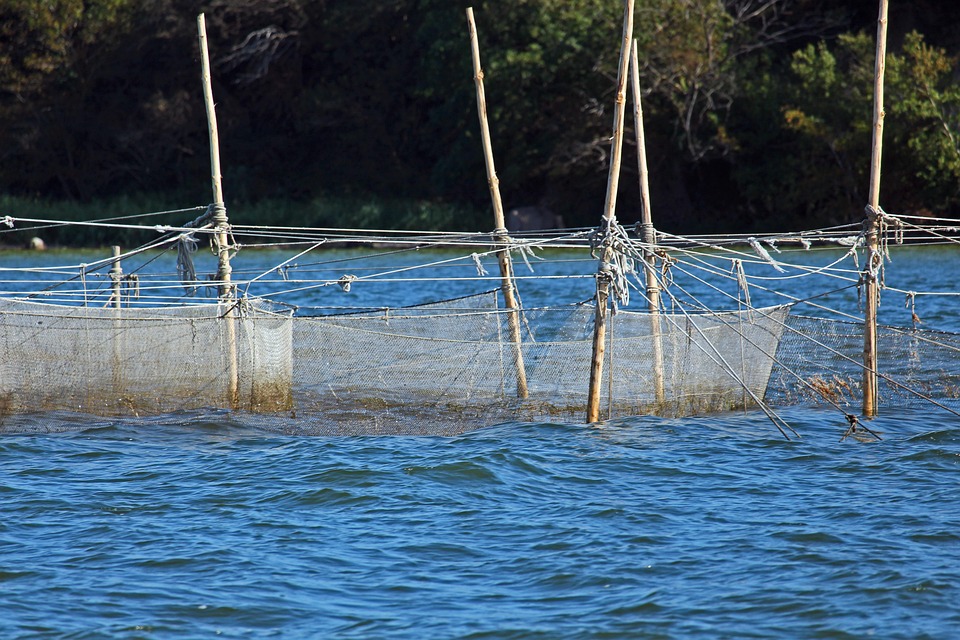
Offshore trolling has grown in popularity as both a recreational pursuit and a professional fishing method. Fishermen are drawn to the thrill and challenge of chasing large fish species that roam the open seas. The essence of offshore trolling lies not just in reaching these captivating waters but in mastering the technique involved in enticing fish to bite. This guide will delve into the various aspects of successful offshore trolling, empowering anglers with essential knowledge and strategies to enhance their chances of landing “the big one.”
Understanding the Basics of Offshore Trolling
At its core, offshore trolling is a fishing technique that involves pulling lures or baited hooks behind a moving boat. This method allows anglers to cover large areas of water in search of predatory fish like tuna, marlin, and mahi-mahi. Key components of successful trolling include:
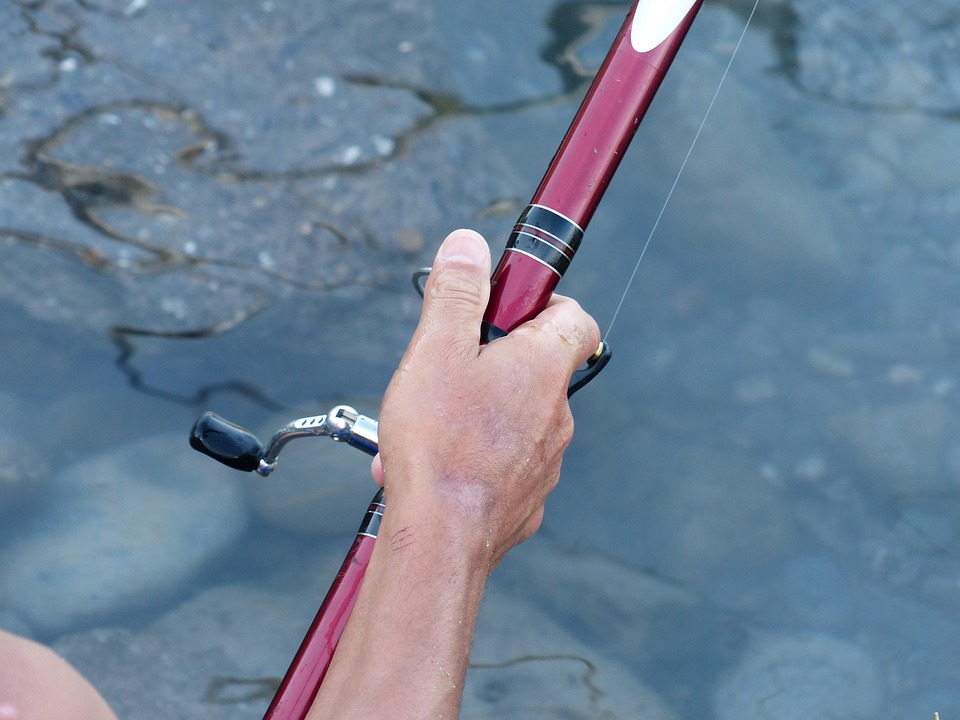
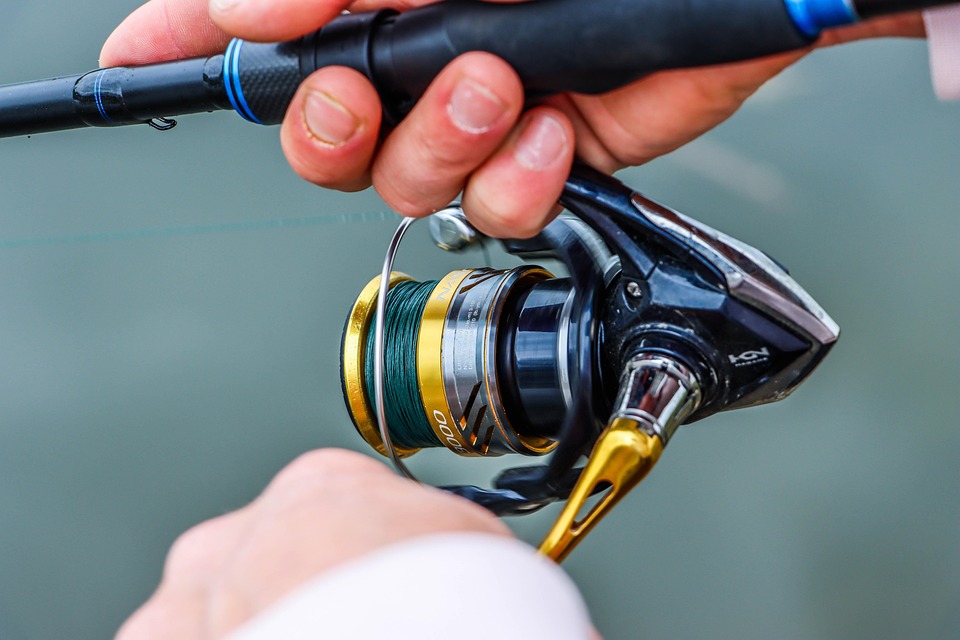
- Gear Selection: Choosing the right rods, reels, and lines is crucial. Heavy-duty gear is typically preferred because it can withstand the tremendous force of big fish.
- Bait and Lures: Depending on the target species, certain bait types, whether live or artificial, will work more effectively. Color, size, and shape all play a role in attracting fish.
- Boat Speed: Different species prefer different speeds. Most pelagic fish respond well to speeds around 4 to 9 knots.
- Location: Fish migrate seasonally, creating hotspots that knowledgeable anglers should target. Knowledge of ocean currents, water temperature, and underwater structures can significantly improve your chances.
Preparation is Key
The success of any offshore fishing trip is often determined during the planning phase. A well-prepared angler will have tools and knowledge that can make all the difference:
1. Research and Planning
Understanding the migratory patterns of your desired catch is paramount. Resources like local fishing reports, forums, and expert blogs provide insights on what species are biting, where to find them, and the best times to fish.
2. Equipment Check
Make sure your gear is up to the challenge. Inspect rods for cracks, ensure reels are functioning properly, and check line for wear. Also, ensure you have adequate supplies of tackle, leaders, and any additional items, such as pliers and hook removers.
3. Safety First
Offshore fishing often takes you far from land, making safety a critical priority. Ensure your boat is equipped with necessary safety equipment, including life vests, flares, a first aid kit, and a communication device. Consider taking a boating safety course if you are new to offshore waters.
Techniques for Successful Trolling
With preparation in place, it’s time to explore the various techniques that can boost your trolling success:
1. Choosing the Right Lures
Different species of fish react differently to various lures. For example, tuna may be drawn to feather lures, while marlin may prefer bigger baits. Consider using a combination of lures to entice a variety of fish. Bright colors like pink, blue, and purple can be particularly effective in deep waters.
2. Setting Up Your Spread
The spread refers to the arrangement of lines and lures deployed from your boat. A typical spread might consist of:
- Long lines placed further back.
- Shorter lines closer to the boat.
- Flatlines, downriggers, and outriggers used to diversify the spread.
While trolling, keep an eye on your lines to ensure proper positioning. Adjust your spread based on water conditions and feedback from the fish.
3. Pay Attention to Water Temperature
Water temperature can significantly impact fish behavior. Many offshore species prefer temperature ranges between 70°F and 80°F (21°C to 27°C). Use a temperature gauge to locate ideal fishing zones, and always troll alongside temperature breaks where warm and cold waters meet.
4. Utilize Technology
Modern-day fishermen have a suite of technological tools at their disposal. Fish finders and GPS devices allow anglers to identify bait schools and track their location. Additionally, sonar systems can provide insights into underwater structures that might harbor fish.
The Art of Hooking and Landing Fish
Once you have a bite, the real fun begins. Here’s how to maximize your chances of successfully landing your catch:
1. Detecting a Bite
Vigilance is essential. Watch your lines closely for any signs of a bite, which may include a sudden pull or erratic movement in the rod tip. Once detected, quickly determine whether to reel in or let the fish take the bait for a moment.
2. Setting the Hook
After a fish takes the bait, it is crucial to set the hook. This can be done by quickly raising the rod tip while simultaneously reeling in slack line. Timing is everything; too early or too late can cause the fish to escape.
3. Fighting the Fish
Once hooked, the fight begins. Using your body weight to help reel in large fish can save energy. It is essential to maintain steady pressure and allow the fish to tire out without breaking the line. Alternate between reeling and allowing the fish to run, adjusting your strategy based on the size and behavior of the catch.
Understanding Fish Behavior
Knowledge of fish behavior can enhance your overall offshore experience. Suspended fish will act differently than those closer to the bottom.
High-activity periods often coincide with feeding times, usually early morning or late afternoon. Weather changes, moon phases, and barometric pressure can also influence fish behavior. Knowing these patterns can make a substantial difference in your catch rate.
Conservation and Responsible Fishing
As you embark on your offshore trolling adventures, remember the importance of conservation. Wild fish populations must be sustained for future generations to enjoy the thrill of fishing:
- Catch and Release: If you catch species that are not in season or are smaller than the regulated size, consider releasing them safely back into the water.
- Follow Regulations: Familiarize yourself with local fishing regulations, including catch limits and licensing requirements.
- Practice Sustainable Techniques: Aim to use non-lead sinkers and biodegradable lures where possible to reduce environmental impact.
Conclusion
Offshore trolling is more than just a fishing technique; it’s a blend of art, science, and passion. By preparing adequately, mastering fishing techniques, and respecting marine ecosystems, anglers can improve their success rates while enjoying the unparalleled thrill of chasing big fish. With knowledge and persistence, each trip into the deep blue can turn into a memorable experience, perhaps culminating in the thrill of reeling in “the big one.” Happy fishing!
FAQs
1. What is the best time of year for offshore trolling?
The best time varies by region and species. Generally, spring and summer months are prime, but local fishing reports can provide more specific guidance.
2. What is the ideal boat size for offshore trolling?
A boat of at least 20 feet is recommended for offshore trolling due to stability in waves and the ability to reach further fishing grounds safely.
3. How can I find the best fishing spots?
Utilize fishing charts, local reports, and online forums where experienced anglers share insights. GPS and fish-finding technology also help in navigating to hot spots.
4. What safety gear must I have on my boat?
Essential safety gear includes life jackets, flares, a first aid kit, fire extinguisher, and a reliable communication device (like a VHF radio).
5. How can I improve my chances of catching bigger fish?
Focus on using larger lures, targeting known hotspots, and paying attention to water temperature and currents. Patience and practice in handling the equipment also play a role!
- advanced fishing techniques
- artificial bait fishing
- bait fishing
- boat fishing methods
- casting fishing
- deep sea fishing techniques
- drift fishing
- fishing knots techniques
- fishing methods
- fishing methods for beginners
- fishing rigs methods
- fishing strategy tips
- fishing techniques
- fly fishing techniques
- freshwater fishing techniques
- inshore trolling
- jigging fishing
- live bait fishing
- lure fishing methods
- modern fishing techniques
- offshore trolling
- popping fishing
- professional fishing methods
- saltwater fishing techniques
- shore fishing methods
- slow jigging
- spinning fishing
- topwater popping
- trolling fishing
- vertical jigging













Leave a comment