



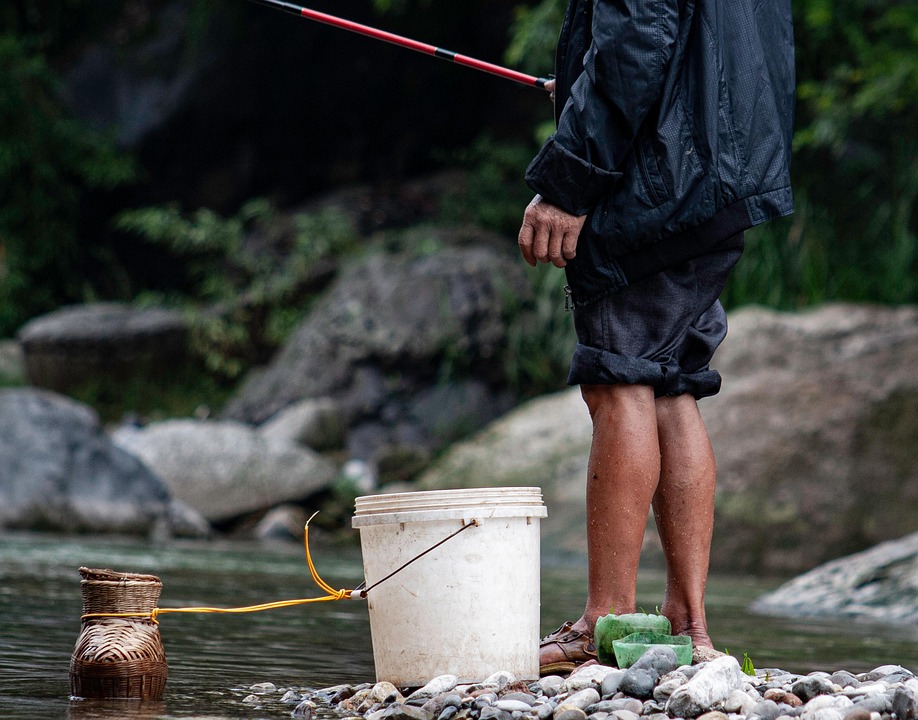





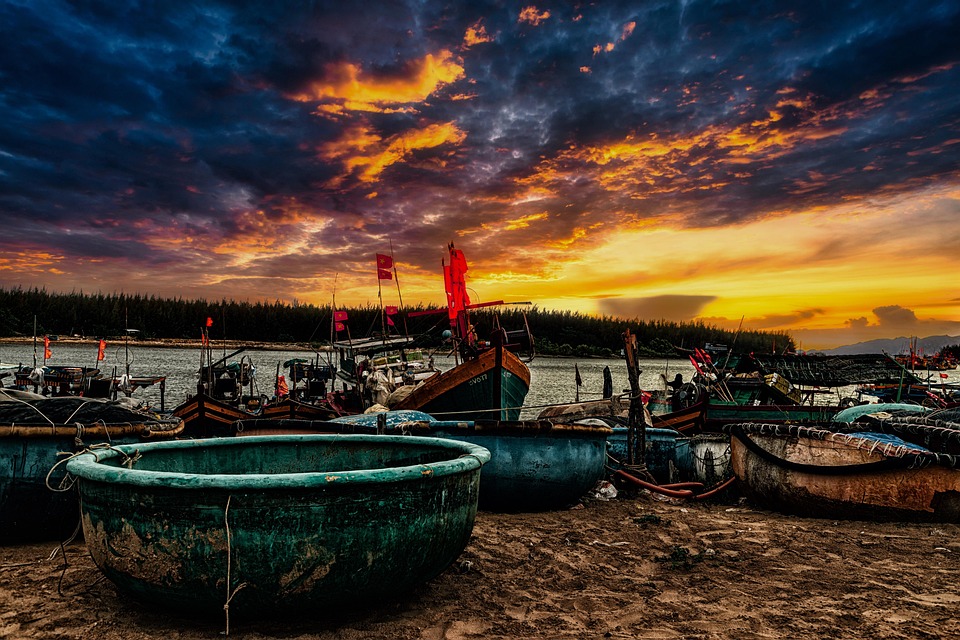
Fishing is much more than just a pastime; it’s a doorway into nature, a stress-relieving hobby, and even a rite of passage for some families. For newcomers, however, understanding the intricacies of fishing can seem daunting. Learning how to cast properly not only improves your chances of catching fish but also enhances your overall fishing experience.
This guide aims to demystify the casting process and provide essential tips that will make your fishing endeavor enjoyable and successful. Let’s dive into the basics!
The Basics of Fishing Gear
Before we introduce casting techniques, it’s crucial to understand your fishing gear. Here are some essential components:
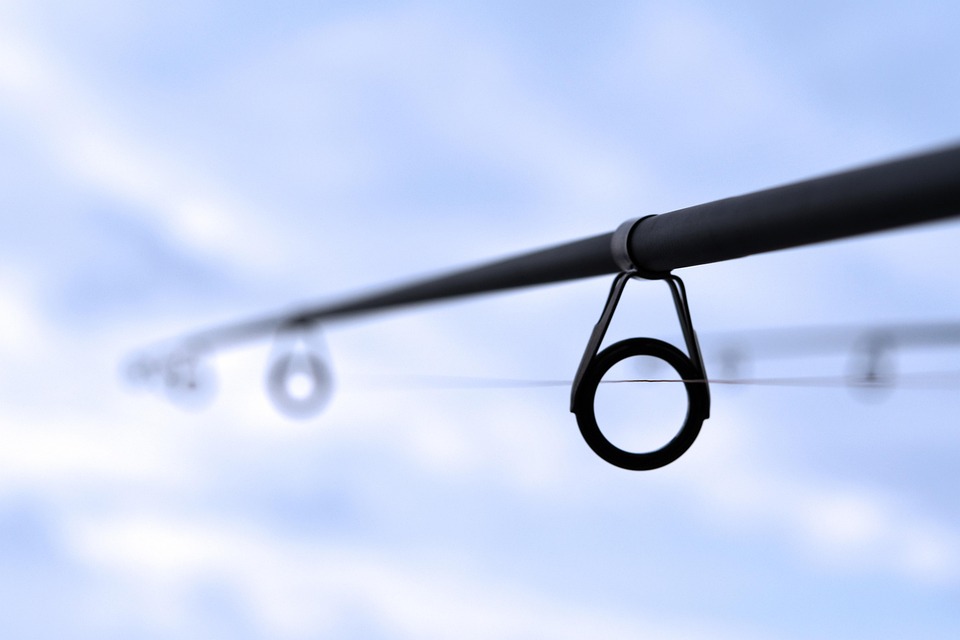
- Fishing Rod: The fishing rod comes in various lengths and flexibility. Longer rods cast further, while shorter rods provide more control.
- Fishing Reel: This is where your fishing line is stored. Spinning reels are user-friendly for beginners.
- Line: Fishing lines come in monofilament, fluorocarbon, or braided. Each has its pros and cons regarding visibility and strength.
- Bait and Lures: Live bait, artificial lures, and flies come in various types. Choosing the right bait can depend on the fish species you’re targeting.
Understanding Your Environment
Before casting your line, familiarize yourself with the water body where you’ll be fishing. Certain conditions can dramatically affect fish behavior. Here’s what to consider:
- Water Temperature: Fish are cold-blooded and their activity level corresponds to the water temperature. Warmer water may hold more active species.
- Time of Day: Early morning or dusk are optimal feeding times for many fish species.
- Weather Conditions: Overcast days can be great for fishing as fish tend to feed more actively.
- Structure and Cover: Look for areas with rocks, fallen trees, or lily pads. These structures provide shelter for fish.
Casting Techniques for Beginners
Now that you’ve got your gear and have studied your environment, let’s get down to the nuts and bolts of casting. Here are some essential techniques every beginner should master:
The Overhead Cast
This is the most common type of cast and suitable for various situations.
- Hold the Rod: Stand with your feet shoulder-width apart. Hold the rod with your dominant hand near the grip and your other hand supporting the rod further up.
- Position the Rod: Raise the rod above your head, angling it slightly away from your body.
- The Back Cast: Swiftly pull the rod back, allowing the line to extend behind you. Pause briefly to let the lure drop behind.
- Forward Cast: Move the rod forward fluidly, flicking your wrist to release the line at a 45-degree angle towards your target.
- Follow Through: Allow the rod to continue moving forward, stopping when it’s directed at the water’s surface.
The Sidearm Cast
This technique is advantageous in areas with low hanging branches or limited space.
- Hold the Rod: Similar to the overhead cast, but position the rod horizontally to your side.
- Back Cast: Swing the rod towards your hip before flicking it forward.
- Forward Cast: Propel the rod forward, releasing the line at the same angle as the shoulder.
The Roll Cast
The roll cast is great for short distances and when a back cast might be obstructed.
- Position the Rod: Hold the rod nearly parallel to the water’s surface.
- Draw Back: Pull the rod slightly back to create a loop with the line.
- Forward Motion: Roll your wrist while moving the rod forward, allowing the line to unfurl towards the target.
Practicing Your Cast
Like any skill, casting improves with practice. Try the following methods:
- Practice on Land: Set up in an open area and practice your casting technique without actually fishing.
- Use Targets: Set targets like hula hoops or buckets to improve accuracy.
- Fish with Friends: Going out with more experienced anglers can provide on-the-spot tips and guidance.
Safety First: Essential Precautions
While fishing can be a fun and relaxing experience, it is crucial to keep safety in mind:
- Wear a Life Jacket: If you’re fishing from a boat, always wear a life jacket.
- Protect Against Sun Exposure: Apply sunscreen and wear UV-protective clothing, especially during peak sunlight hours.
- Stay Hydrated: Bring plenty of water to avoid dehydration.
- Follow Local Regulations: Familiarize yourself with local fishing rules regarding techniques, catch limits, and seasons.
Etiquette on the Water
Every angler should practice good fishing etiquette. Here are some tips:
- Respect Other Anglers: Give others space and avoid casting over their lines.
- Clean Up: Always pick up your trash, including fishing line and bait containers.
- Handle Fish Carefully: If practicing catch and release, handle fish gently and minimize their time out of water.
Conclusion
Fishing is a fulfilling activity that combines skill, patience, and a connection to nature. By mastering the basics of casting and understanding your environment, you position yourself for success, whether you are angling for fun or for a fresh catch. With practice, safety, and etiquette, you will not only improve your casting skills but also enjoy all that fishing has to offer.
Embark on this journey with an open mind, and remember: every cast is a new opportunity. Happy fishing!
Frequently Asked Questions (FAQs)
1. How do I choose the right fishing rod for me?
Consider your target fish species and the fishing environment. A medium-action rod is typically versatile for beginners.
2. What’s the best time of day to go fishing?
Early mornings and late afternoons are often the best times, as fish are more active during these times.
3. How do I know what bait to use?
Research the local fish species and their feeding habits. Local tackle shops can provide valuable insights as well.
4. Is it necessary to have a fishing license?
Yes, obtaining a fishing license is often required for legal fishing. Check local regulations for requirements and fees.
5. What should I do if I catch a fish?
If you plan to keep the fish, ensure you follow local guidelines for size and species limits. If releasing, handle the fish gently and try to minimize stress.
- fishing bait tips
- fishing gear hacks
- fishing hacks
- fishing knot guides
- fishing knot techniques
- fishing knot tying
- fishing knots
- fishing knots for advanced
- fishing knots for beginners
- fishing leader knots
- fishing line knots
- fishing loop knots
- fishing lure tips
- fishing rig guides
- fishing rig hacks
- fishing rig setups
- fishing rig tips
- fishing rig tricks
- fishing rigs
- fishing strategies
- fishing techniques
- fishing tips
- fishing tips and tricks
- fishing tips for beginners
- fishing tips for experts
- fishing tips for freshwater
- fishing tips for saltwater
- fishing tips online
- fishing tricks
- fishing tricks for better catch












Leave a comment