











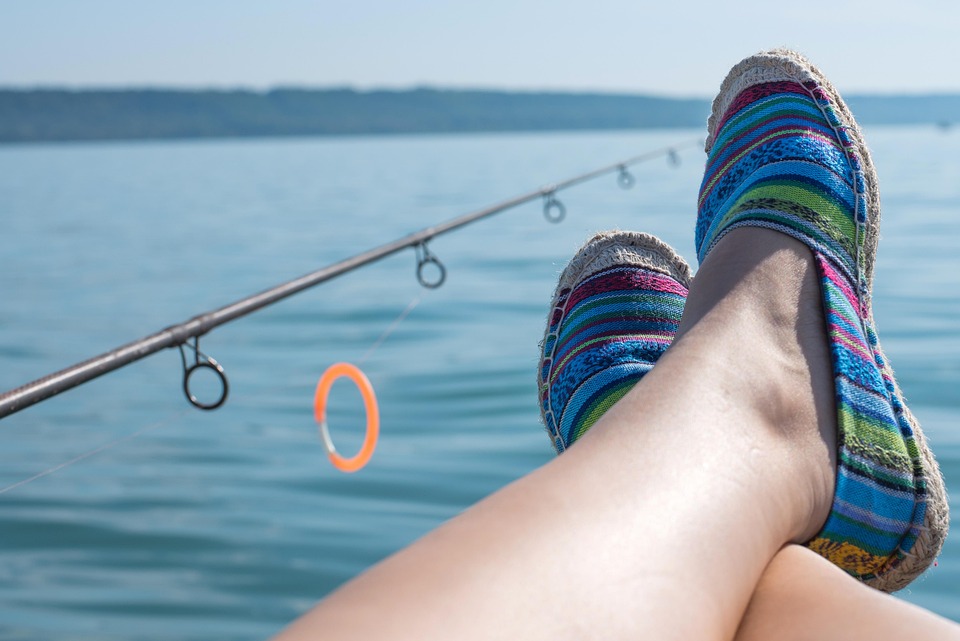


Fishing enthusiasts often talk about the thrill of the catch, but there’s something particularly exhilarating about pursuing predator fish. Whether you’re targeting bass, pike, or trout, the techniques you choose can dramatically influence your success. This guide aims to equip beginners with knowledge about predator fishing, focusing on specific techniques, bait selection, and preparation strategies.
Understanding Predator Fish
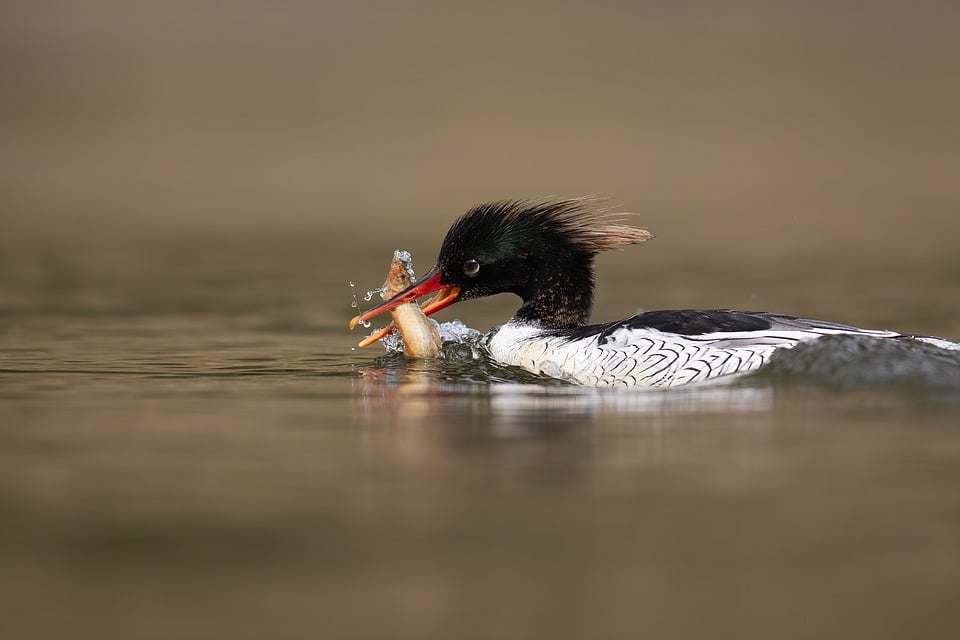
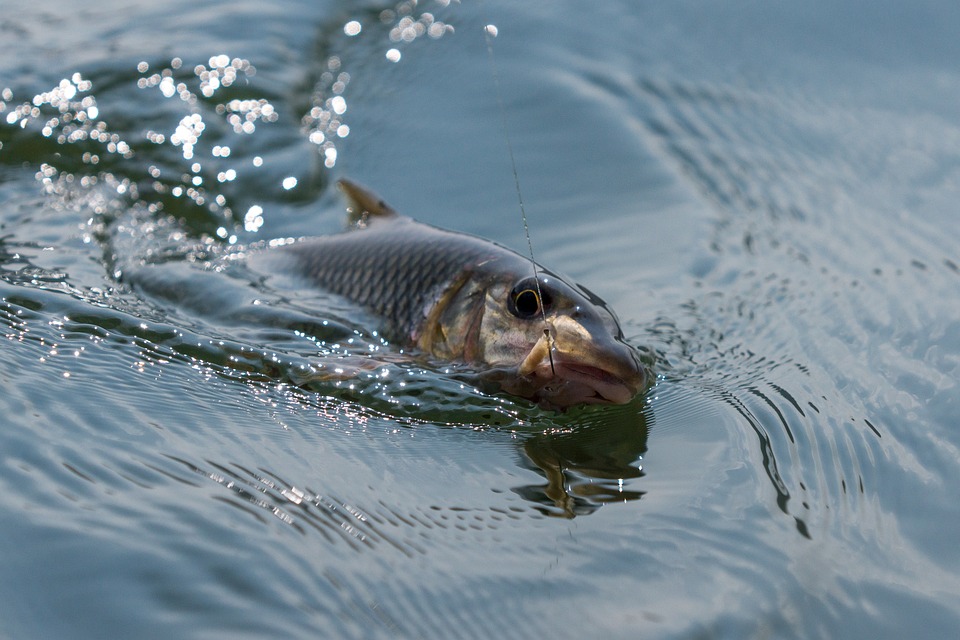
Predator fish are carnivorous species that actively hunt other fish or aquatic animals. These species, including largemouth bass, northern pike, and walleye, are often found in lakes, rivers, and coastal waters. Understanding their behaviors, habitats, and feeding patterns is crucial for successful fishing.
Behavior and Feeding Patterns
Most predator fish are opportunistic eaters, meaning they will take any bait that appears vulnerable. They are typically most active during dawn and dusk, known as the “golden hours.” During the day, these fish often seek cooler, deeper waters, while at night, they may roam the shallows.
Essential Gear for Predator Fishing
Your fishing success largely depends on the gear you use. For beginners, the right equipment will improve your experience and increase your catch rate.
Rods and Reels
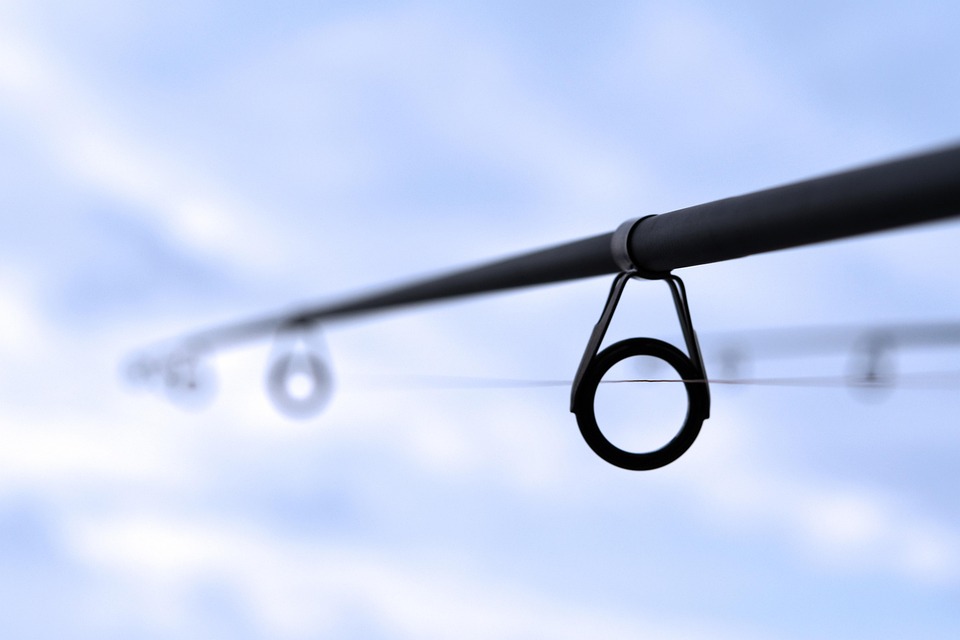
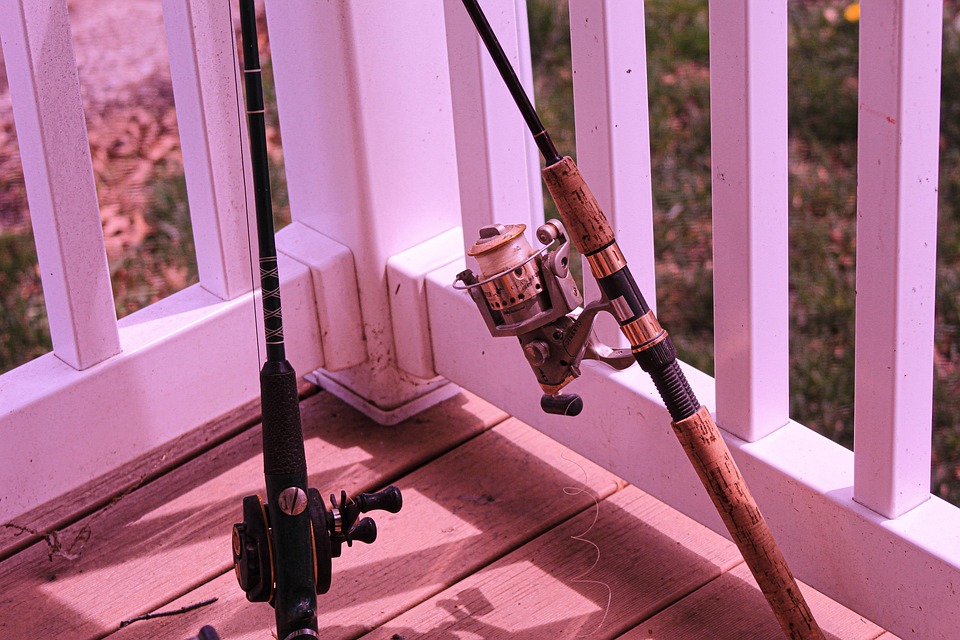
A medium to medium-heavy spinning rod, around 6 to 7 feet in length, offers the versatility needed for various fishing techniques. Pair this with a spinning reel that can hold 150-200 yards of 10-15 lb test line. This combination allows you to cast with precision while providing the strength to reel in larger fish.
Lures and Baits
Choosing the right lure is crucial in predator fishing. Common options include:
- Jigging Spoons: Great for vertically presenting bait in deeper waters.
- Crankbaits: Mimic a distressed fish and are effective in various environments.
- Topwater Lures: Ideal for catching fish during feeding times close to the surface.
- Soft Plastics: Versatile and can be rigged in multiple ways to imitate prey.
- Live Bait: Such as minnows or worms, are often irresistible to predators.
Terminal Tackle
Don’t forget about terminal tackle! Hooks, weights, and swivels play crucial roles in your setup. Choose hooks that match the size of your bait, and consider using a leader line if you’re fishing in areas with strong cover or sharp-toothed fish like pike.
Top Fishing Techniques for Beginners
Now, let’s dive into some effective fishing techniques that work for predator fish.
1. Casting and Retrieving
This fundamental technique involves casting your lure into the water and retrieving it at various speeds. Experiment with your retrieve speed and technique to see what works best. Try a steady, smooth retrieve for crankbaits, or a jerky motion for topwater lures. Pay attention to water temperature and time of day as they can impact fish activity.
2. Jigging
This technique is particularly effective for targeting fish in deeper waters. Jigging involves dropping your lure vertically and quickly jerking it upward, mimicking an injured baitfish. Use a high-contrast lure to make it stand out against the water. This method can be particularly effective when fish are suspended at specific depths.
3. Trolling
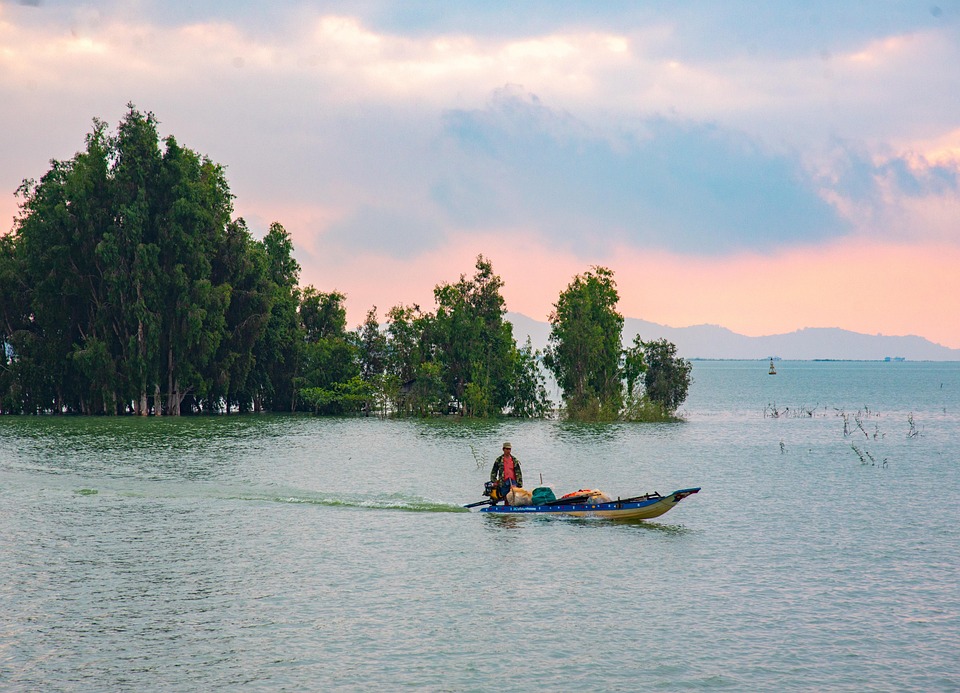
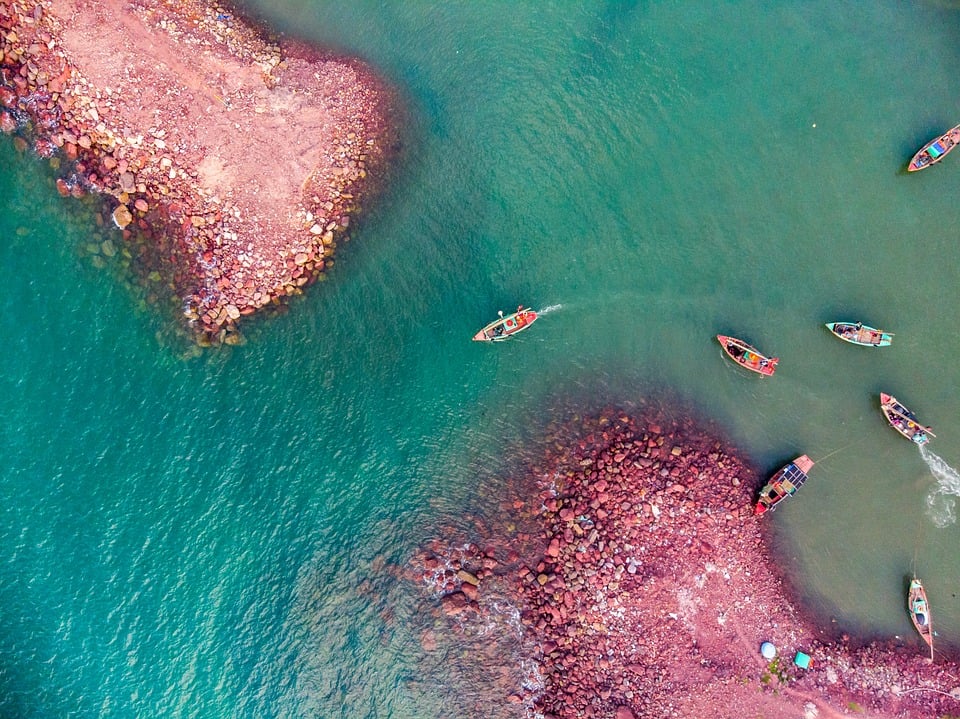
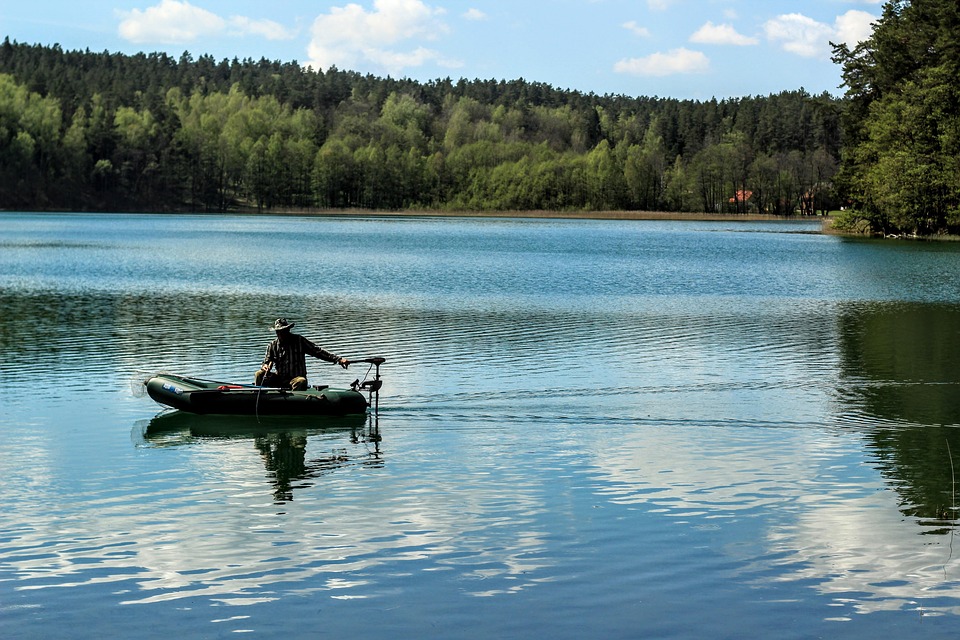
Trolling allows you to cover more water while also targeting predator fish. By moving your boat at a slow speed (1-3 mph) and dragging lures behind, you can present your bait over larger areas. This technique works well for species like walleye and northern pike and allows you to experiment with different lure depths and types.
4. Drift Fishing
This method involves letting your boat drift with the current while having your line in the water. This is particularly effective in rivers or areas with a current. You can use live bait or lures, allowing them to move naturally with the flow.
5. Live Bait Fishing
Using live bait increases your chances of attracting predator fish. Choose a bait fish that naturally inhabits the water you’re fishing. Rig the bait correctly to ensure it moves naturally through the water, enticing hungry predators.
Preparation and Safety Tips
Proper preparation is essential for a successful fishing trip. Here are some tips to keep in mind:
1. Research Local Waters
Before heading out, research the local waters you’ll be fishing. Each body of water has its unique characteristics, including fish populations and local regulations regarding fishing seasons and limits.
2. Check Weather Conditions
Weather plays a significant role in fishing success. Cloudy days can be ideal, as predators are likely to roam more freely. Wind can also create waves, helping to conceal your presence from fish.
3. Pack Essential Gear
Ensure you have the essential items, including:
- First Aid Kit: Always be prepared for minor injuries.
- Extra Line: Bring a spool of line suitable for your rod.
- Snacks and Water: Staying hydrated and energized is critical during long fishing trips.
- Proper Clothing: Dress according to the weather and consider wearing a life jacket.
Conclusion
Mastering predator fishing as a beginner is all about understanding your target species, selecting the right gear and techniques, and being prepared for your fishing experiences. By learning different methods like casting, jigging, and trolling, you’ll increase your chances of landing trophy fish. Remember, practice makes perfect, and don’t hesitate to seek advice from experienced anglers.
- advanced predator fishing
- aggressive fish fishing
- barracuda fishing
- barracuda lure fishing
- freshwater predator fishing
- large predator fishing
- muskie fishing
- muskie lure fishing
- pike fishing
- pike lure fishing
- predator angling
- predator fishing
- predator fishing baits
- predator fishing destinations
- predator fishing for beginners
- predator fishing gear
- predator fishing guides
- predator fishing lures
- predator fishing reels
- predator fishing rigs
- predator fishing rods
- predator fishing seasons
- predator fishing spots
- predator fishing tactics
- predator fishing techniques
- predator fishing tips
- predatory fish fishing
- saltwater predator fishing
- zander fishing
- zander jigging










Leave a comment