









Whether you’re a novice angler or a seasoned pro, choosing the right gear can make or break your fishing experience. With various types of fishing techniques, water bodies, and fish species, it’s crucial to select the right equipment to enhance your success and enjoyment. In this comprehensive guide, we will delve into the essential elements of fishing gear, offering you insights to maximize your next fishing trip.
Understanding Different Fishing Techniques
Before you dive into the gear selection process, it’s essential to grasp the different fishing techniques and how they dictate your gear requirements. Here are some popular fishing methods:
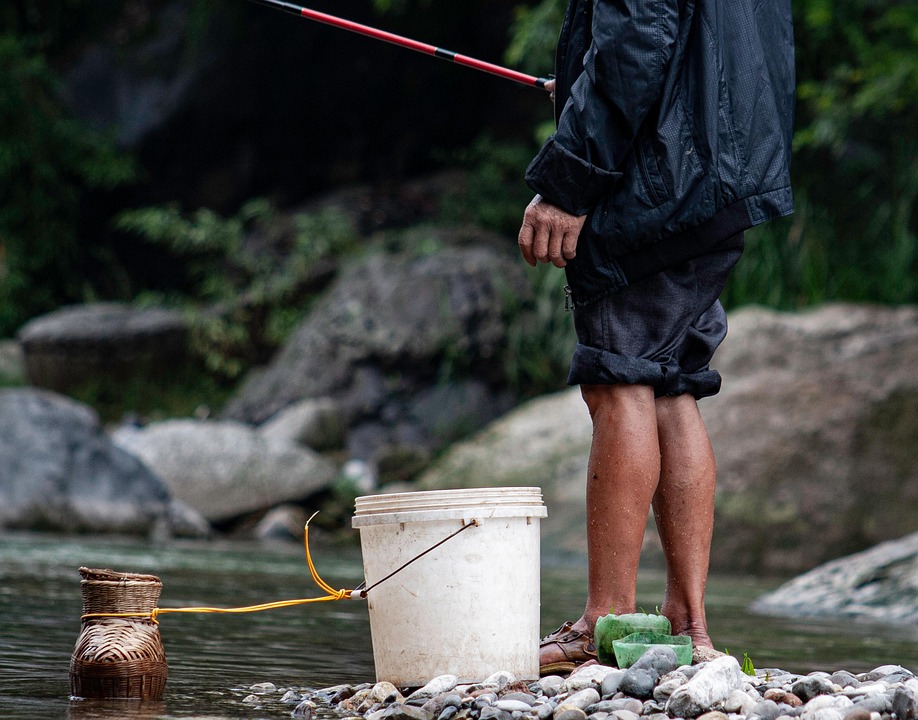
- Freshwater Fishing: Typically conducted in lakes, rivers, and ponds, this method includes various styles like fly fishing and spinning.
- Saltwater Fishing: This includes fishing in oceans and seas, targeting species like tuna and marlin, which often require heavier gear.
- Fly Fishing: A popular technique using artificial flies, which requires specialized rods, reels, and lines to cast effectively.
- Ice Fishing: This technique involves fishing through holes in frozen water and requires specific gear such as ice augers and shelters.
The Core Equipment
Now that we’ve established the types of fishing techniques, let’s review the core equipment every angler should consider:
1. Fishing Rod
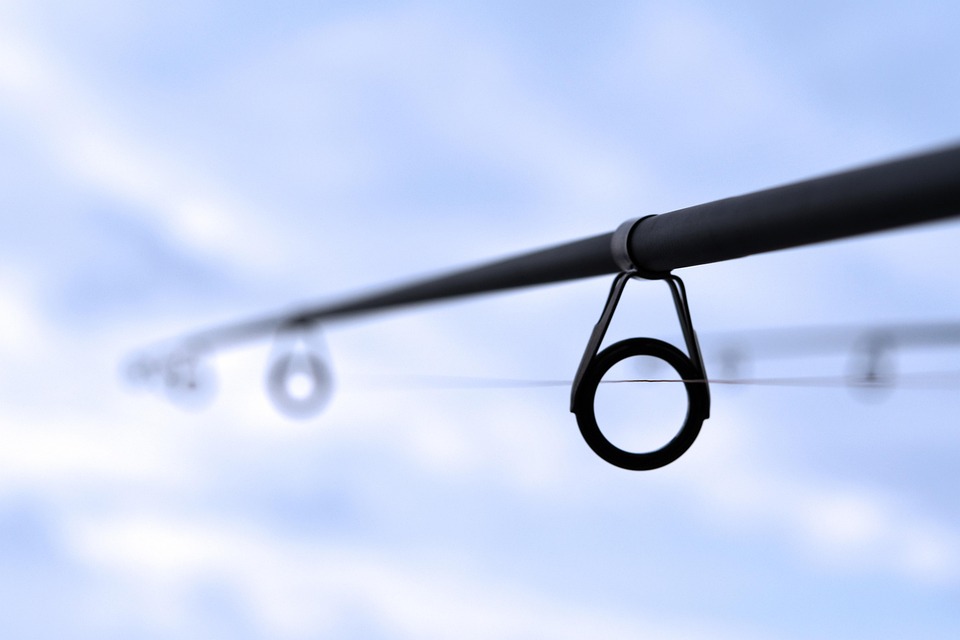
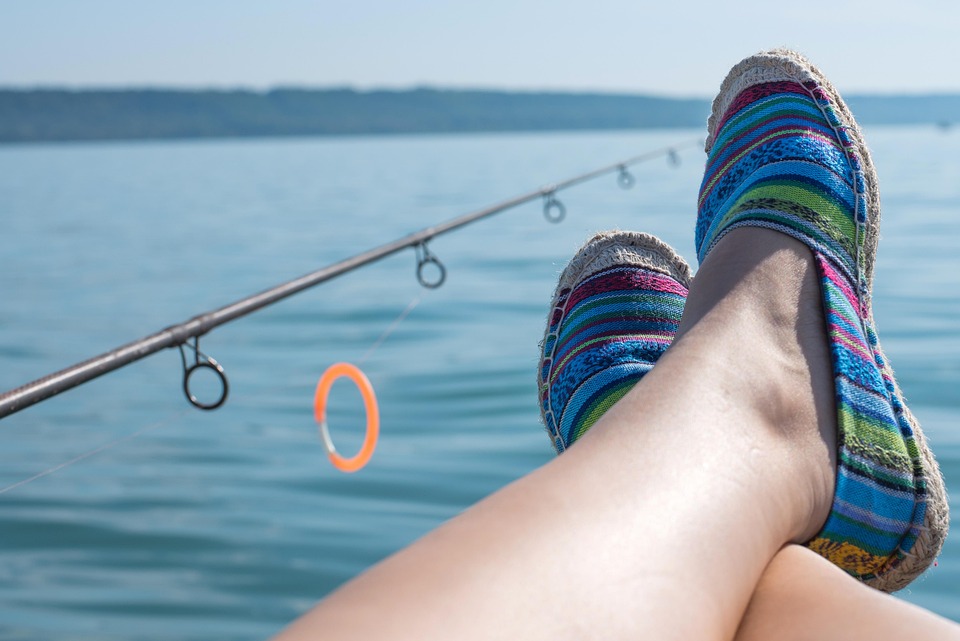
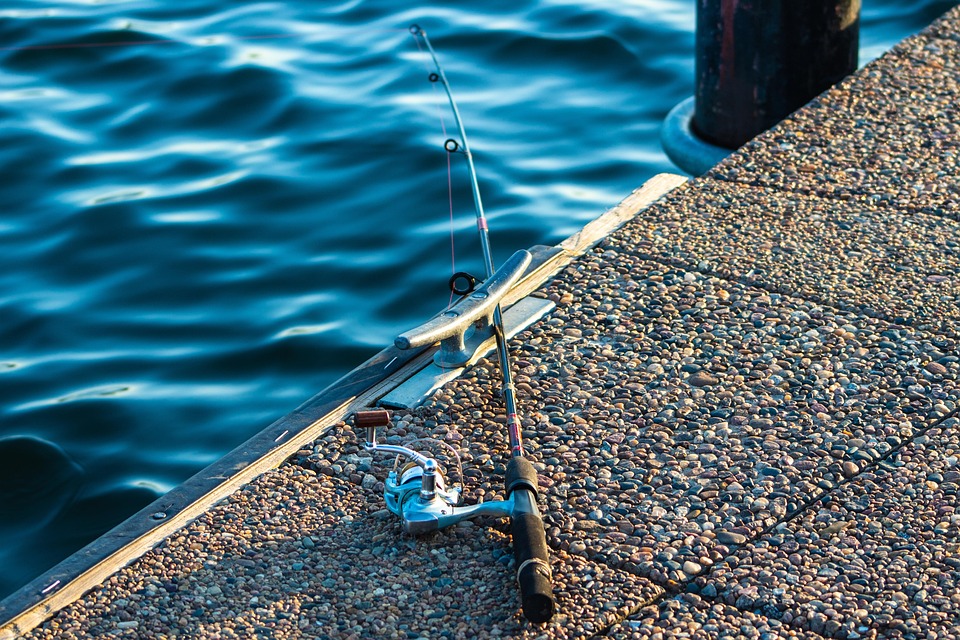
The fishing rod is your primary tool. It’s essential to choose a rod that matches your fishing style. Rods vary significantly in length, power, and action:
- Length: Ranging from 5 to 12 feet, longer rods cast further but may require more skill.
- Power: Refers to the rod’s heaviness (light, medium, heavy) and should correspond to the species you’re targeting.
- Action: Describes how much the rod bends. Fast action rods bend at the tip, while slow action rods bend along the length.
2. Fishing Reel
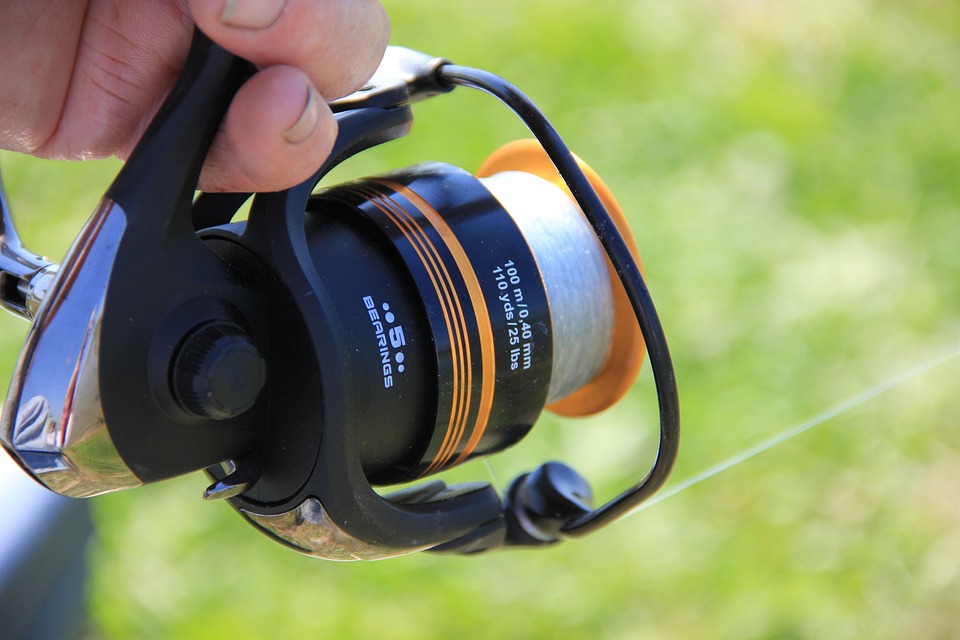
The fishing reel is responsible for retrieving and managing your line. Understanding the types of reels can help you make an informed choice:
- Spinning Reels: Easy to use with a simple design, ideal for beginners and versatile for various types of fishing.
- Baitcasting Reels: Perfect for experienced anglers, offering more control and accuracy but requiring more skill to use.
- Fly Reels: Specialized reels designed for fly fishing, aimed at holding the fly line effectively.
3. Fishing Line
Your fishing line connects you to the fish and must be chosen carefully based on various factors:
- Types of Line: Monofilament, fluorocarbon, and braid each have their pros and cons. Monofilament is stretchy and easy to handle, fluorocarbon is nearly invisible underwater, and braid offers high strength.
- Line Strength: Measure the strength in pounds; select a line that can withstand the weight of the fish you’re targeting.
4. Hooks
Hooks come in various sizes, shapes, and materials, each designed for specific fishing techniques and target fish:
- Circle Hooks: Excellent for catch-and-release, reducing deep hooking.
- J Hooks: Commonly used for various baits, great for most fishing techniques.
- Treble Hooks: Often used for lures, increasing the chances of a catch due to multiple points.
Optional Equipment for Enhanced Experience
In addition to core gear, several optional items can enhance your fishing experience:
1. Tackle Box
A tackle box is essential for organizing your fishing gear, including lures, bait, hooks, and tools. Look for boxes with adjustable compartments to keep everything organized.
2. Fishing Lures
Different lures attract different fish, making it crucial to have a variety of options. Some popular types include:
- Soft Plastics: Versatile and effective for bass and other freshwater species.
- Spinnerbaits: Great for targeting bass in murky waters.
- Crankbaits: Effective for mimicking distressed fish, often used for bass and pike.
3. Waders
Waders are particularly useful for anglers who want to venture into deeper waters. They keep you dry while allowing greater access to prime fishing zones.
4. Fishing Apparel
Protective and functional clothing enhances your comfort and safety. Invest in gear such as moisture-wicking shirts, fishing hats, and polarized sunglasses to shield against sun damage and enhance vision underwater.
Choosing the Right Gear Based on Species
Your target species significantly influences your gear choice. Here’s a quick guide for popular fish:
1. Bass
For bass fishing, a medium-action rod paired with a baitcasting reel is typically effective. Monofilament or braided lines work well, complemented by soft plastics or crankbaits.
2. Trout
Trout fishing often targets finesse with light spinning rods and reels. Fluorocarbon lines provide stealth, while small spinners or flies are great choices for bait.
3. Saltwater Species
For saltwater species like snapper or tarpon, a heavy-action rod and a corrosion-resistant reel are essential. Braid or fluorocarbon lines should be strong enough to handle the larger catch.
Conclusion
Choosing the right gear for your fishing trip requires a thorough understanding of your fishing technique, target species, and personal preferences. While it might seem overwhelming at first, familiarizing yourself with the various types of rods, reels, lines, and accessories available can significantly enhance your experience. Invest time in researching and selecting your tackle box, and set yourself up for a successful day on the water. Happy fishing!
Frequently Asked Questions (FAQs)
1. How do I know which fishing rod to choose?
Consider the type of fish you target, the fishing method you prefer, and your skill level. A medium-action rod is a versatile choice for a variety of freshwater species.
2. What is the best fishing line for beginners?
Monofilament line is often recommended for beginners due to its ease of use, affordability, and forgiving characteristics.
3. How do I choose the right fishing lure?
Research the species you are targeting, as different fish respond better to different lures. It’s always good to have a variety of lures to experiment with.
4. Do I really need a tackle box?
While it’s not mandatory, a well-organized tackle box saves time and frustration, allowing you to focus on fishing rather than searching for gear.
5. What should I wear on a fishing trip?
Wear moisture-wicking clothing, appropriate footwear, and a hat for sun protection. Consider polarized sunglasses to reduce glare on the water.
- fishing accessories
- fishing baits
- fishing crankbaits
- fishing electronics
- fishing fish finders
- fishing gear
- fishing gear guides
- fishing gear maintenance
- fishing gear reviews
- fishing GPS
- fishing hooks
- fishing jigs
- fishing knots
- fishing line types
- fishing lines
- fishing lures
- fishing reel types
- fishing reels
- fishing reels for beginners
- fishing rigs
- fishing rod guides
- fishing rods
- fishing rods for beginners
- fishing soft plastics
- fishing sonar
- fishing spinners
- fishing tackle
- fishing tackle boxes
- fishing tackle setup
- fishing tackle tips










Leave a comment