





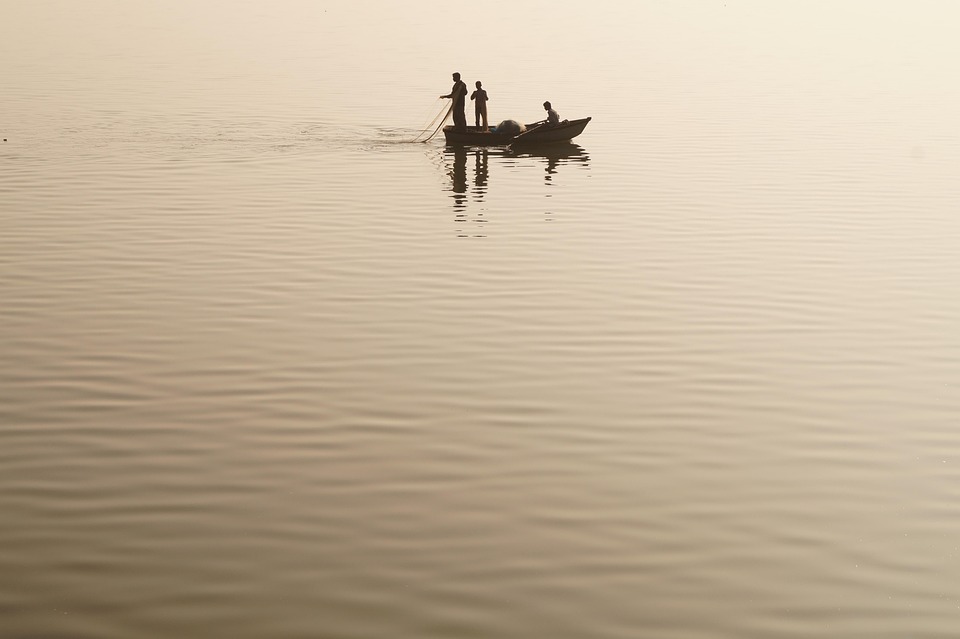


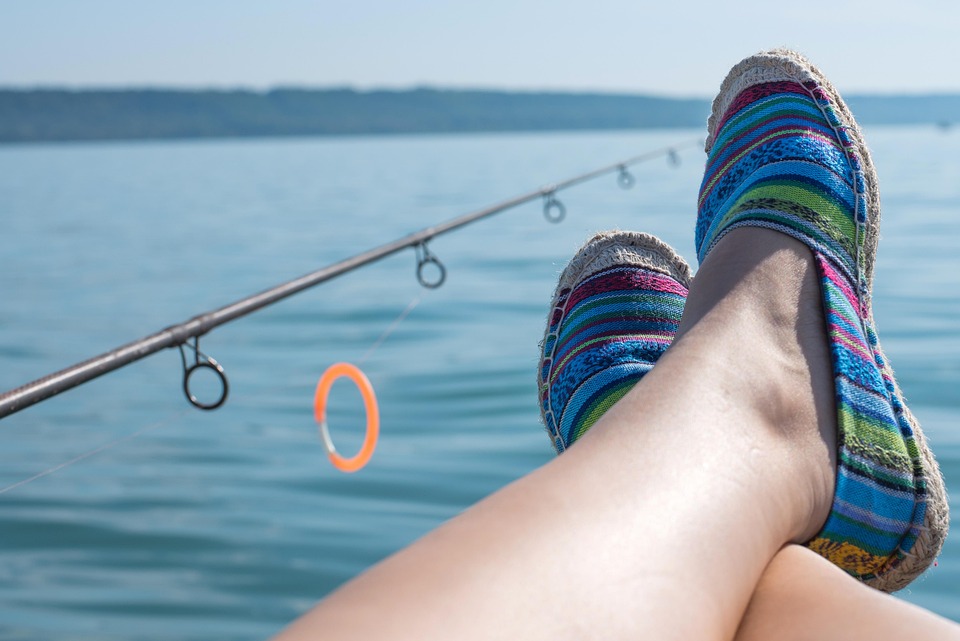


Inshore fishing is a delightful way to connect with nature while reeling in some fantastic catches. Whether you’re a seasoned angler or a beginner, understanding the inshore fishing seasons is critical for maximizing your experience on the water. This guide covers everything you need to know about inshore fishing, including seasonal trends, best practices, and species to target.
Understanding Inshore Fishing
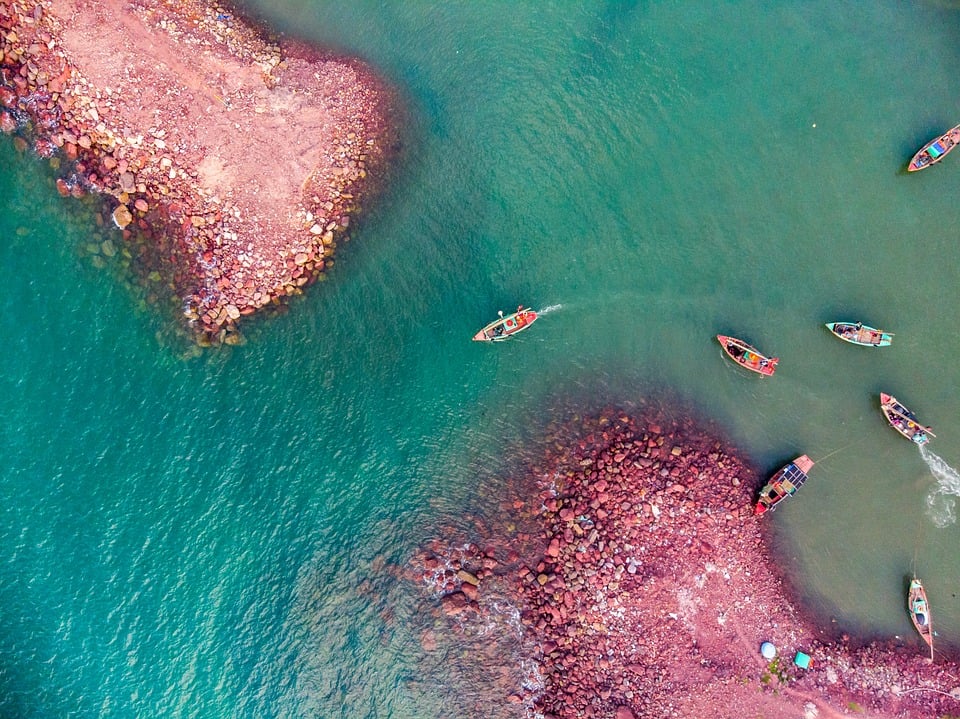
Inshore fishing typically refers to angling in waters that are relatively shallow, generally within a few miles of the coast. This encompasses estuaries, bays, and nearshore waters. The diverse habitats found in these regions support a variety of fish species, making inshore fishing a versatile and enjoyable pursuit.
Common inshore species include:
- Striped Bass
- Flounder
- Redfish (Red Drum)
- Snook
- Speckled Trout
The Importance of Seasons
Fishing is not just about throwing a line in the water; it’s a science. Each fish species has specific preferences and behaviors that change with the seasons. Understanding these seasonal patterns can greatly increase your chances of landing a prized catch.
Spring: Awakening Life
Spring is a dynamic time for inshore fishing, as fish emerge from their winter dormancy and become increasingly active. Warmer temperatures prompt many species to begin their spawning cycles.
Species and Techniques
As temperatures rise, species such as striped bass, redfish, and speckled trout become more active. Techniques like live bait fishing and using lures that mimic natural prey work effectively in this season.
Weather Considerations
Spring weather can be unpredictable, so pay attention to forecasts. Overcast days may be more productive, as fish prefer to move about under less sunlight.
Summer: Peak Season
Summer marks the peak fishing season for many anglers. With warm water temperatures, fish are plentiful and increasingly easy to catch.
Species and Techniques
Summer is ideal for targeting species like snook and tarpon. Trolling, drifting, and using popping corks can yield great results. Night fishing also becomes popular, especially for species that are more active after sunset.
Heat Management
Fish can become lethargic during extremely hot days, making early mornings and late evenings the best times to fish. Always consider water temperatures to determine the best fishing times.
Fall: Transition Season
As temperatures drop, fish begin to prepare for winter. Fall is a transitional season characterized by fish feeding heavily to prepare for the colder months.
Species and Techniques
Species such as flounder and redfish are particularly abundant. Anglers often use jigs and soft plastics. Look for fish around structures, as they gather in schools.
Environmental Factors
Pay attention to water temperatures and tides, as these factors can significantly impact fish behavior and feeding patterns in the fall.
Winter: The Quiet Time
Winter presents unique challenges for inshore fishing. Cold temperatures lead many fish to go deep or become less active. However, for the dedicated angler, winter can also provide its fair share of rewards.
Species and Techniques
Species like sheepshead and black drum can still be targeted during winter months. Using subtle presentations, including live bait and slow-moving lures, can entice bites. Fish tend to gather around structures like jetties and bridges.
Gear and Equipment
Selecting the right gear is essential for any fishing adventure. For inshore fishing, consider the following:
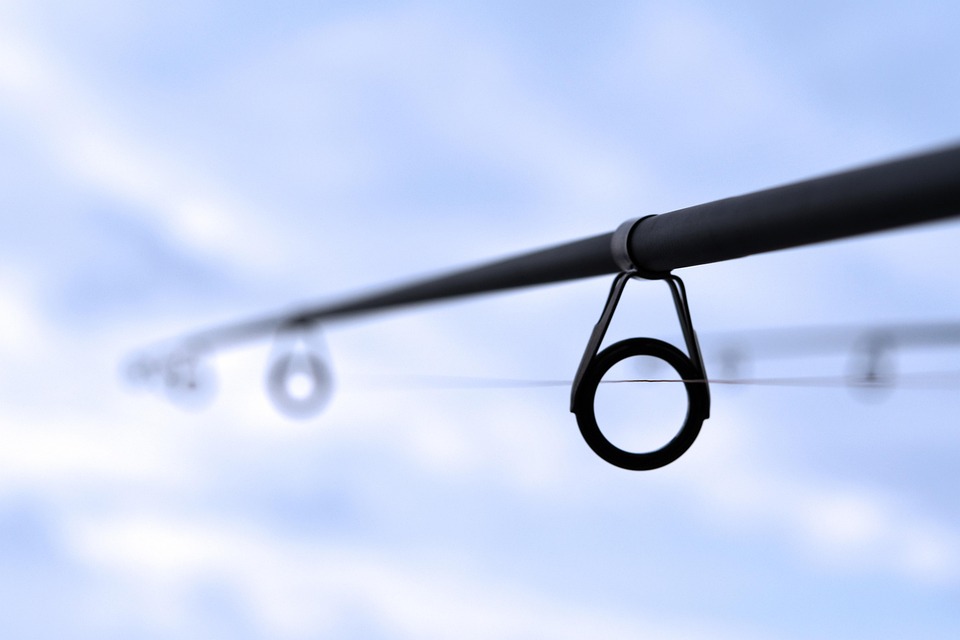
- Rod and Reel: A medium to medium-heavy spinning rod paired with a reel that has a good line capacity.
- Line: Braided line is preferred for its strength and sensitivity. A fluorocarbon leader can help with visibility.
- Baits and Lures: Live bait such as shrimp and mullet are effective. For lures, consider soft plastics, jigs, and topwater plugs.
Conservation and Regulations
Responsible anglers play a crucial role in the conservation of fish populations. Always check local regulations regarding size and bag limits for the species you plan to target. Practice catch-and-release when possible, and ensure that you’re using environmentally friendly practices.
Conclusion
Inshore fishing offers a rewarding experience that connects you to nature while providing the thrill of the hunt. By understanding the seasonal patterns and employing the right strategies, you can increase your chances of success on the water. Remember to respect the environment and practice conservation, ensuring that the beauty and abundance of our waters are preserved for future generations.
FAQs
What is the best time to fish inshore?
The best time to fish inshore varies by season, but generally, early mornings and late evenings during spring and summer are optimal. In cooler months, fish can be active mid-day when water temperatures are slightly warmer.
Do I need a fishing license for inshore fishing?
Yes, a fishing license is typically required for inshore fishing. Regulations vary by region, so check with local authorities for specific requirements.
What gear do I need for inshore fishing?
A medium to medium-heavy rod and spinning reel, along with braided line and a selection of baits and lures, are generally sufficient for inshore fishing. Don’t forget essential accessories like a tackle box, pliers, and a net.
Which fish species are most commonly caught inshore?
Common inshore species include striped bass, redfish, speckled trout, flounder, and snook, depending on the region and season.
How can I find the best inshore fishing spots?
Research local fishing guides and forums, consult GPS mapping services, and explore natural features such as estuaries, grass flats, and jetties where fish tend to congregate.
- bait fishing seasons
- bass fishing seasons
- best fishing times
- bluegill fishing seasons
- carp fishing seasons
- catfish fishing seasons
- crappie fishing seasons
- fishing seasons
- fly fishing seasons
- inshore fishing seasons
- jigging seasons
- marlin fishing seasons
- muskie fishing seasons
- offshore fishing seasons
- panfish fishing seasons
- pike fishing seasons
- popping seasons
- sailfish fishing seasons
- salmon fishing seasons
- seasonal fishing for beginners
- seasonal fishing guides
- seasonal fishing guides worldwide
- seasonal fishing strategies
- seasonal fishing tips
- shark fishing seasons
- spinning fishing seasons
- trolling seasons
- trout fishing seasons
- tuna fishing seasons
- walleye fishing seasons
- zander fishing seasons









Leave a comment