











Fishing is not just a sport; it’s an art, a skill that combines patience, strategy, and knowledge of the environment. At the core of this art lies a brilliant array of techniques, equipment, and experience, which enable anglers to catch their desired fish. One of the essential elements of fishing is the rig used, which comprises the hook, line, and sinker. This comprehensive guide explores the nuances of fishing rigs, helping you to master the art effectively.
Understanding Fishing Rigs
A fishing rig is essentially the setup of your fishing line, attaching the hooks, weights, and bobbers, depending on the type of fishing you’re doing. A well-constructed rig is crucial for enhancing your success in catching fish. There are various types of fishing rigs available, each tailored for specific fish species and environments.
The Anatomy of a Fishing Rig
To master fishing rigs, it’s vital to understand their basic components:
- Hook: The hook is your primary tool for catching fish, available in numerous sizes and styles. Choose the hook size based on the species you’re targeting.
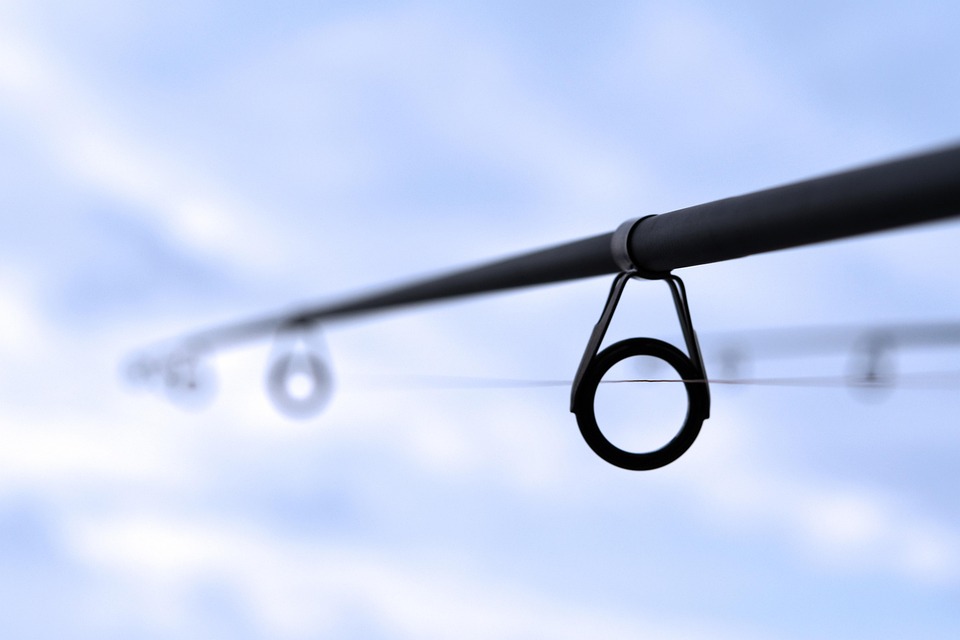
- Line: The fishing line’s strength and type (monofilament, fluorocarbon, or braided) can affect the rig’s performance.
- Sinker: Sinkers are weights that help your bait reach the desired depth in the water. The choice and placement of sinkers influence how the bait moves in the water.
- Leader: A leader line may be used to connect the hook to the mainline, offering extra strength and stealth in clearer waters.
Types of Fishing Rigs
Fishing rigs can be categorized based on their purpose, the fishing style, and the species targeted. Below are some widely used rigs:
1. The Carolina Rig
The Carolina Rig is a versatile bottom-fishing method primarily used in freshwater fishing for species like bass. Its simplicity and effectiveness make it popular among anglers.
- Setup: Attach a sinker above a swivel, then add a leader line with a hook at the end. The bait is placed on the hook, which moves freely along the line.
- Why it Works: The sinker keeps the bait on the bottom while allowing for a natural presentation, enticing fish to bite.
2. The Texas Rig
Another favorite among bass anglers, the Texas Rig is designed for weedless fishing.
- Setup: The hook is threaded through the bait and buried back into the body to minimize snagging while still being effective.
- Why it Works: It allows anglers to fish in heavy cover without getting snagged, maximizing their chances of a catch.
3. The Slip Bobber Rig
This rig is ideal for targeting fish at different depths, especially in lakes and rivers.
- Setup: A bobber is slid onto the line, followed by a weight and then a hook with bait.
- Why it Works: The slip bobber allows for adjustable depth, providing flexibility to anglers when fishing in varying water columns.
4. The Drop Shot Rig
A popular choice for finesse fishing, notably in deeper waters.
- Setup: A hook is tied several feet above a weight on the main line, keeping the bait suspended above the bottom.
- Why it Works: This rig presents a subtle movement that is often irresistible to fish, especially in colder months.
5. The Fly Fishing Rig
Fly fishing involves using artificial flies as bait and requires a specialized setup.
- Setup: A leader line is attached to the fly line, ending with a fly hook. The weightless fly is cast onto the water surface.
- Why it Works: It mimics the natural behavior of insects and baitfish, attracting predatory species effectively.
Selecting the Right Rig for Your Adventure
Choosing the right fishing rig can significantly influence the outcome of your fishing expedition. Consider the following factors:
- Target Species: Research the behaviors and habitats of the fish you aim to catch.
- Environment: Consider the water conditions—shallow or deep, fresh or salt, and whether there is cover like weeds or structures.
- Weather Conditions: Fish behavior can change with weather; adjust your rig accordingly.
Tips for Rigging Success
Mastering the art of rigs goes beyond simply knowing their types. Here are some tips to enhance your rigging skills:
- Practice Knots: Strong and reliable knots are crucial. Practice well-known knots like the Palomar and Improved Clinch until you’re confident.
- Experiment with Bait: Different species are attracted to different baits. Experiment to see what works best.
- Check Your Equipment: Regularly inspect your lines and hooks for wear and tear.
- Stay Informed: Regularly update your knowledge on fishing techniques, rigs, and bait to stay ahead in the game.
Conclusion
The world of fishing rigs is vast, challenging, yet deeply rewarding. By mastering different types of rigs, understanding their setups, and knowing how to adapt to varying conditions, you can elevate your fishing game to new heights. It’s not just about catching fish; it’s about embracing the experience, learning continuously, and connecting with nature in a unique way. Whether you’re a novice angler or a seasoned pro, the right rig can redefine your fishing adventure and deepen your appreciation for this timeless pursuit.
FAQs
1. What is the best rig for beginners?
The Texas Rig is often recommended for beginners because of its simplicity and effectiveness in various fishing scenarios.
2. How do I know what size hook to use?
Hook sizes vary based on the target fish species. Generally, larger fish require larger hooks. Research your target species for the best hook size.
3. Can I use the same rig for saltwater and freshwater fishing?
While some rigs can be adapted for both environments, it’s usually best to use rigs and materials specifically designed for either saltwater or freshwater to avoid corrosion and maximize effectiveness.
4. How often should I change my rig?
Regularly inspect your rig. Change it whenever you experience tangles, wear, or a lack of bites after extended periods of fishing.
5. What is the advantage of using a leader line?
A leader line provides extra strength, visibility control, and protection against abrasions that can occur in rocky or snag-prone areas.
- advanced fishing techniques
- artificial bait fishing
- bait fishing
- boat fishing methods
- casting fishing
- deep sea fishing techniques
- drift fishing
- fishing knots techniques
- fishing methods
- fishing methods for beginners
- fishing rigs methods
- fishing strategy tips
- fishing techniques
- fly fishing techniques
- freshwater fishing techniques
- inshore trolling
- jigging fishing
- live bait fishing
- lure fishing methods
- modern fishing techniques
- offshore trolling
- popping fishing
- professional fishing methods
- saltwater fishing techniques
- shore fishing methods
- slow jigging
- spinning fishing
- topwater popping
- trolling fishing
- vertical jigging














Leave a comment