















Catfish fishing is a beloved pastime for many anglers, celebrated for both its challenge and the sheer thrill of the catch. Known for their distinctive whiskers and formidable size, catfish have captured the hearts and lines of fishermen across the globe. This article delves deep into the art and techniques of catfish fishing, exploring the history, the methods, and the best practices for anyone from beginners to seasoned anglers.
A Brief History of Catfish Fishing
The allure of catfishing dates back centuries. Various cultures have relied on catfish as a food source, from ancient Egyptians to indigenous tribes in North America. The first documented accounts of catfish fishing appear in the U.S. in the early 1900s, where local communities often congregated along rivers to catch these bottom-dwellers.
As fishing technology evolved, so did the techniques used by anglers. Initially, catfishing was done with simple handlines and nets. Today, specialized rods, reels, and bait have transformed the sport, enhancing the experience and sustainability of fishing practices. Notably, the rise of catch-and-release initiatives has given catfish populations a chance to thrive.
Understanding Catfish Species
Catfish are a diverse family known scientifically as Ictaluridae, with numerous species residing in waters worldwide. Some popular species among anglers include:
- Channel Catfish (Ictalurus punctatus): These are the most commonly targeted catfish, known for their adaptability and willingness to bite. Typically found in lakes and rivers, they can grow to impressive sizes.
- Flathead Catfish (Pylodictis olivaris): Renowned for their unique shape, flatheads are fierce predators and can weigh over 100 pounds. They thrive in deeper waters and often hide under sunken structures.
- Blue Catfish (Ictalurus furcatus): Gaining popularity in recent years, blue catfish can grow larger than flatheads and are often found in large rivers. They are known for their powerful fights.
- Opelousas Catfish (Ictalurus melas): Less prominent but equally fascinating, they inhabit brackish waters and can be found in salt marshes along the Gulf Coast.
Best Fishing Gear for Catfish
Choosing the right gear is crucial for successful catfishing. The gear needed can sometimes vary depending on the species targeted and the environment. Below are essential items every catfish angler should consider:
Rods and Reels
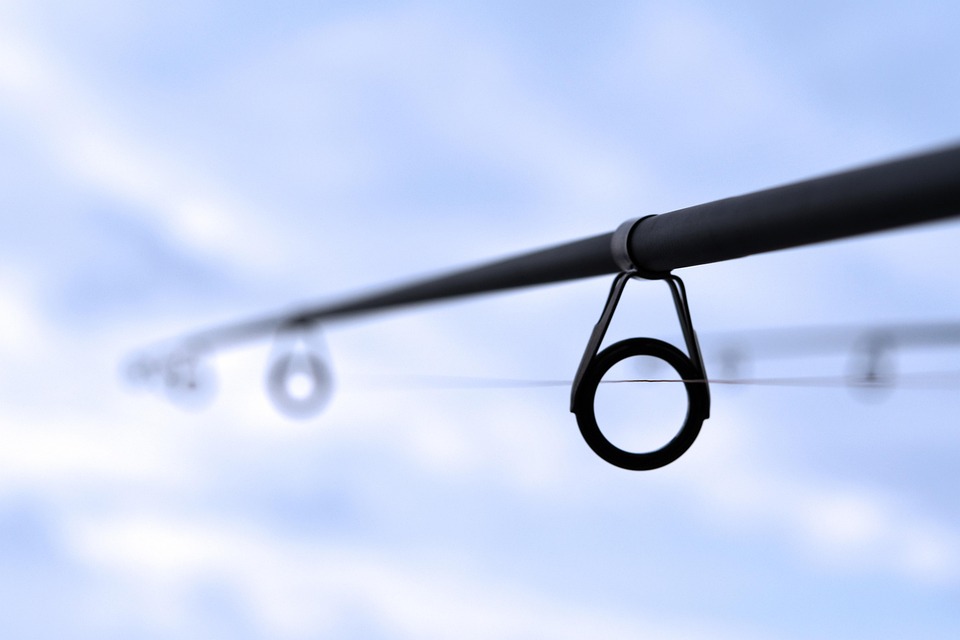
A medium to heavy-action rod is ideal for catfish fishing. This will provide the flexibility needed for different types of fishing environments. Pair it with a reel that has a strong drag system, capable of handling heavy lines and big fish.
Line
For catfish, monofilament or braided line between 15 to 30 pounds is recommended. Braided lines come with the advantage of increased sensitivity, while monofilament offers greater stretch for hook-setting.
Bait
Understanding what bait will attract catfish is often the key to success. Popular types of bait include:
- Live bait: Shad, minnows, and worms are highly effective. Fresh and live options tend to attract more bites.
- Cut bait: Pieces of fish (especially smaller catfish) are often irresistible for larger catfish.
- Prepared bait: Commercially produced catfish attractants are available, appealing to a wide range of tastes.
The Best Times and Locations for Catfish Fishing
Timing and location can elevate your fishing experience. Catfish are generally more active at night and during overcast days, making these the ideal times to fish. They prefer structure in their habitats, often hiding near:
- Sunken trees and debris
- Rock piles and ledges
- Weed beds
- River channels and eddies
Techniques for Success
Mastering catfishing requires practice. Here are some effective techniques to improve your chances:
Stalking Techniques
In popular fishing spots, try to scout areas where catfish are known to congregate. Look for signs such as jumping fish and boiling water. Cast where you observe such activities.
Drift Fishing
This technique involves letting your bait drift in moving water. Use a heavy enough weight to ensure that your bait stays on the bottom where catfish are feeding. This is particularly effective during the daytime.
Anchor Fishing
If you’re fishing from a boat, consider anchoring above a known catfishing spot. This allows you to maintain your location while fishing multiple baits effectively.
Handling Catfish Responsibly
Catch-and-release is an important practice that ensures future generations can enjoy catfishing. Here are some tips:
- Use wet hands or gloves to handle catfish, reducing stress on the fish.
- Remove hooks carefully using pliers, and if necessary, cut the line if the hook is deeply embedded.
- Minimize the time the fish is out of water, as exposure can be harmful.
Conclusion
Catfish fishing is an enriching experience, combining the thrill of the catch with leisure in nature. By understanding the species, employing the right techniques, and using suitable gear, anglers can elevate their skills and enjoyment of this beloved pastime. From tranquil evenings alongside rivers to spirited battles with powerful fish, catfishing offers a little bit of everything for everyone. As you take your next trip into the waters, remember to respect the fish and the environment, ensuring that the joy of catfishing continues for generations to come.
FAQs
What is the best bait for catfishing?
The best bait varies depending on the type of catfish you’re targeting. Live bait, such as shad or minnows, is often very effective, along with cut bait and commercially produced attractants.
When is the best time to catch catfish?
Catfish are generally more active during the night and on overcast days. Fishing during these times can yield better results.
Can catfish be caught during the day?
Yes, catfish can be caught during the day, especially if you focus on shaded areas and deeper waters. Techniques like drift fishing can be very effective.
What size fishing rod is best for catfishing?
A medium to heavy-action rod is generally recommended for catfishing, as it provides the strength needed for larger fish.
How can I practice catch-and-release effectively?
To practice catch-and-release effectively: use wet hands or gloves when handling fish, minimize air exposure time, and carefully remove hooks.
- advanced catfish fishing
- blue catfish fishing
- catfish angling
- catfish bait
- catfish fishing
- catfish fishing for beginners
- catfish fishing gear
- catfish fishing guides
- catfish fishing reels
- catfish fishing rods
- catfish fishing seasons
- catfish fishing spots
- catfish fishing tactics
- catfish fishing techniques
- catfish fishing tips
- catfish hooks
- catfish rigs
- catfish species
- channel catfish fishing
- cut bait catfish fishing
- deep water catfish fishing
- flathead catfish fishing
- lake catfish fishing
- live bait catfish fishing
- monster catfish fishing
- night catfish fishing
- river catfish fishing
- shallow water catfish fishing
- stink bait catfish fishing
- trophy catfish fishing





















Leave a comment