






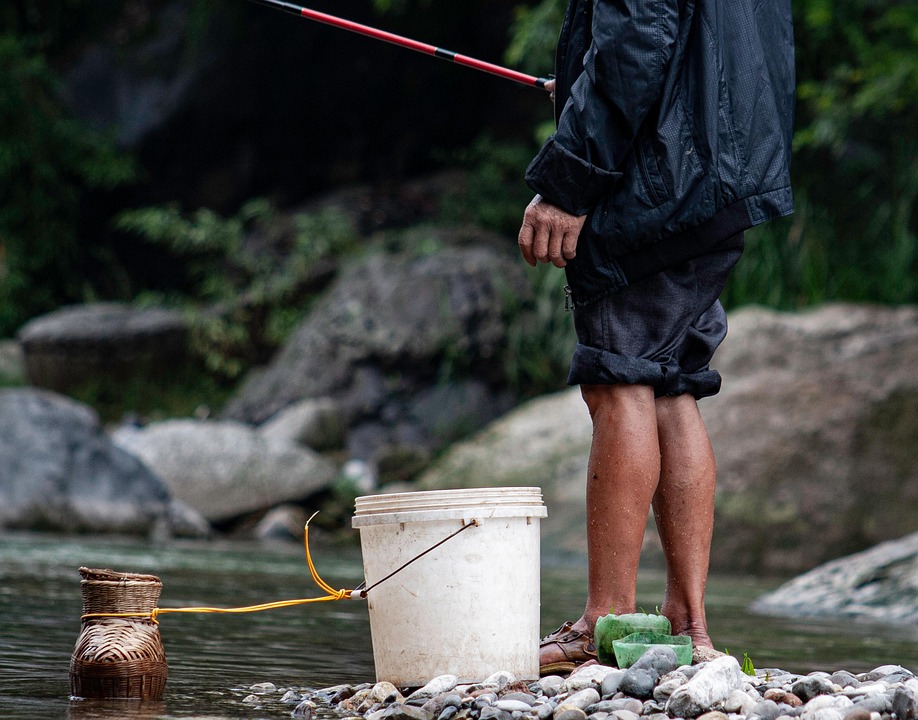






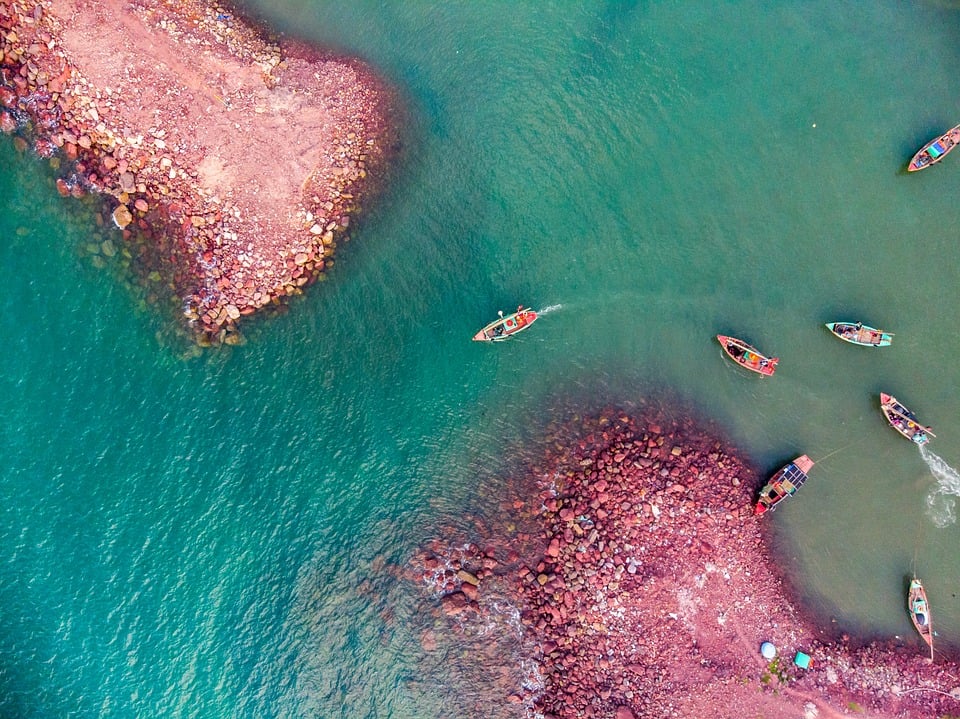
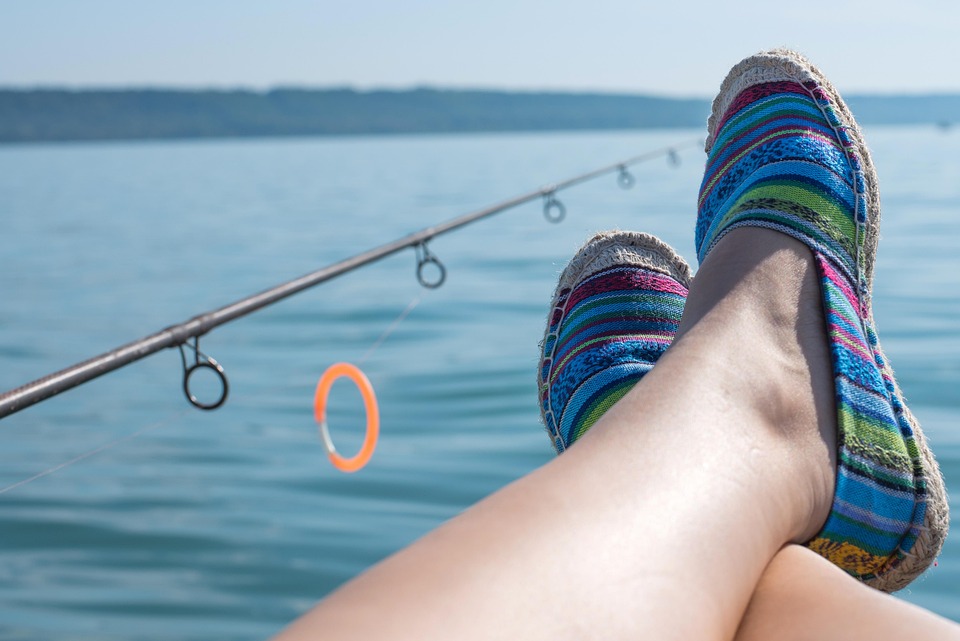


Drift fishing is an exhilarating method of catching fish that involves allowing your bait to move with the current, making it a perfect fit for both seasoned anglers and beginners. The complexity of the ocean or river currents and the variability of weather and conditions can create a unique challenge, but with proper knowledge and preparation, anyone can succeed. This guide aims to provide a comprehensive overview of drift fishing, covering everything from essential gear to techniques and tips for success.
Understanding Drift Fishing
Drift fishing is primarily used in saltwater and freshwater environments, where currents are prevalent. The idea is simple: you present your bait in a natural, drifting manner to entice fish. This technique can be particularly effective for species such as trout, salmon, and various saltwater game fish.
Essential Gear for Drift Fishing
Having the right gear is crucial for a successful drift fishing outing. Here’s a breakdown of the essentials:
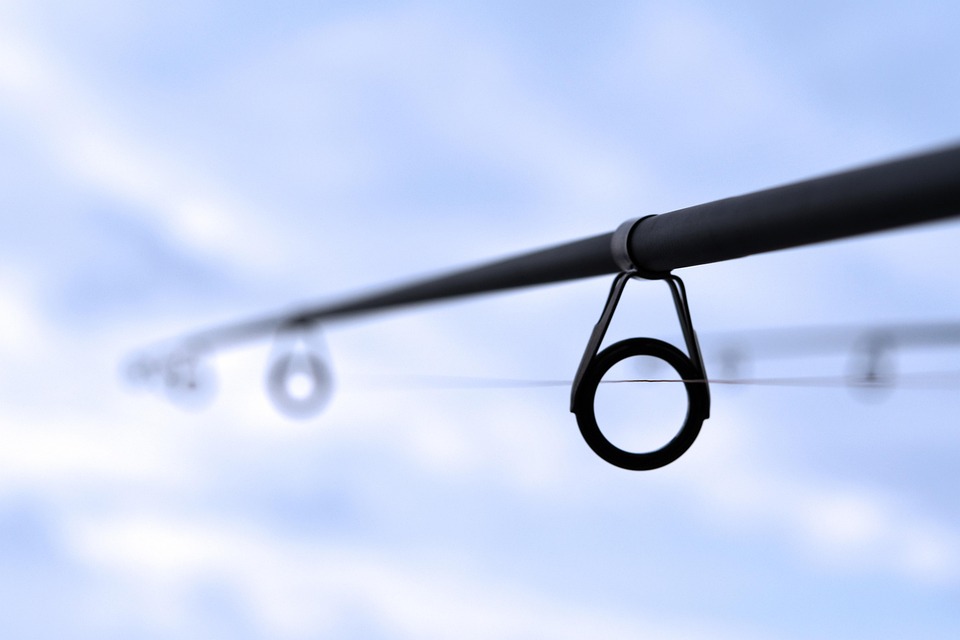
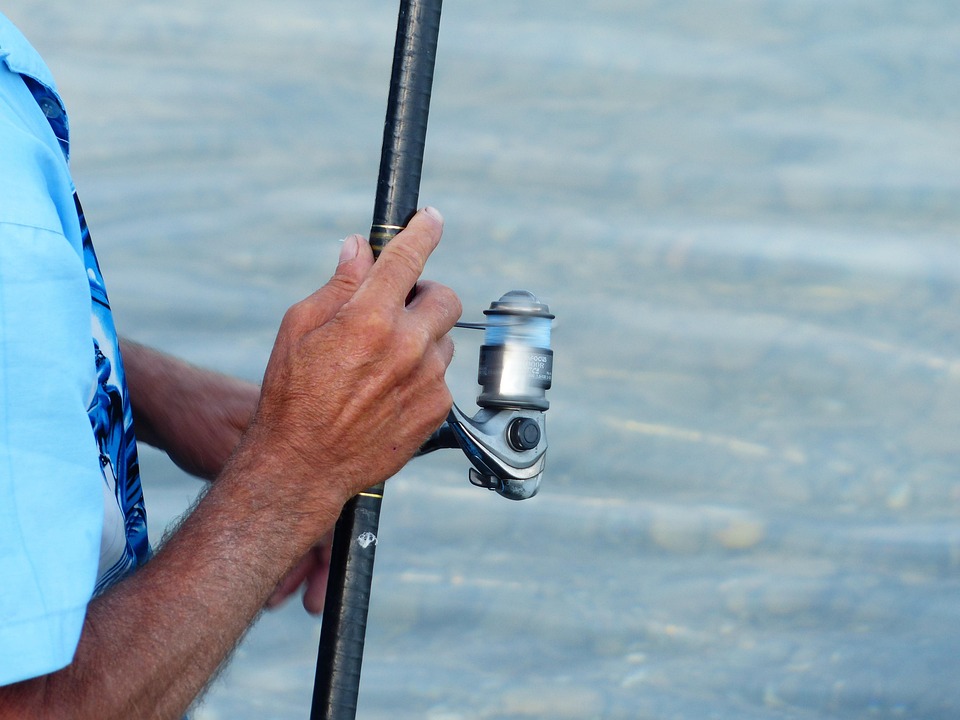
- Rod and Reel: A medium to medium-light spinning rod paired with a spinning reel is most effective. Opt for a rod that is about 7-8 feet long for optimal casting and sensitivity.
- Line: Braided fishing line offers greater sensitivity and strength. A 10-20 lb test line should suffice for most species.
- Bait: Natural baits like worms, minnows, and shrimp can be effective. Artificial lures, like jigs or soft plastics, also work well.
- Weights/Sinkers: Depending on the current and depth, use weights to keep your bait at the desired depth.
- Terminal Tackle: Swivels, snaps, and hooks are necessary. Ensure you have the right hook sizes based on your targeted species.
Selecting the Right Location
Your location can make or break your drift fishing experience. Research local waters to identify key areas where fish are known to congregate. Look for:
- Structure: Structures like rocks, fallen trees, or reefs create natural habitats for fish.
- Current Breaks: Fish are more likely to gather where currents slow down.
- Shallow Areas: Shallow waters can be great spots for targeting species like trout and bass.
- Temperature Changes: Fish are sensitive to water temperature, so areas where cooler and warmer waters meet can be fruitful.
Understanding Tides and Currents
For those engaged in saltwater drift fishing, understanding tides and currents is essential. The movement of water can affect fish behavior significantly.
During tidal changes, fish tend to feed more actively. Typically, the best fishing occurs during the last hour of an incoming tide and the first hour of an outgoing tide. Pay attention to local tide charts to maximize your chances of success.
Techniques for Drift Fishing
Successful drift fishing relies heavily on technique. Here are some fundamental tips:
- Maintain the Right Speed: The speed at which you drift is crucial. Ideally, you want to keep your bait moving naturally with the current.
- Positioning Your Boat: If you’re using a boat, try to position it at an angle to the current. This allows your drift to cover more water.
- Make Use of the Wind: If you’re fishing from a kayak or small boat, the wind can help carry your bait. Adjust your drift accordingly.
- Watch Your Line: Keep an eye on your line for any signs of bites — subtle twitches or jerks can indicate interest from fish.
Safety First: Precautions for Drift Fishing
Before setting out, safety should always be your top priority. Here are a few essential precautions:
- Wear a Life Jacket: This is essential for any water-bound activity, particularly if you’re on moving water.
- Know Local Rules: Familiarize yourself with any regulations regarding fishing in your area.
- Check the Weather: Always check weather forecasts and be prepared for sudden changes.
- Go with a Buddy: It’s always safer to go fishing with a friend. In case of an emergency, you’ll have help close by.
Conclusion
Drift fishing is an exciting and rewarding technique that can yield impressive results with the right knowledge and preparation. From understanding equipment to mastering techniques, beginners can quickly adapt and find success on the water. As with any fishing method, practice is vital, and every outing will provide an opportunity to learn and improve. By keeping safety in mind, selecting the right location, and using the correct tactics, you’ll be well on your way to a fruitful drift fishing adventure.
FAQs
1. What is the best time of year for drift fishing?
The best time varies based on location and targeted species, but spring and fall are typically optimal due to increased fish activity.
2. Can I drift fish from the shore?
Yes, drift fishing can be done from the shore, especially in rivers and lakes where currents enable effective bait presentation.
3. What types of fish can I catch using this method?
Common species include trout, salmon, bass, and various saltwater game fish, depending on your location and conditions.
4. How do I know what weight to use for my setup?
The weight will depend on water depth and current strength. A lighter weight is ideal for slow currents, while a heavier weight is suitable for faster currents.
5. Are there specific lures recommended for drift fishing?
Yes, jigs and soft plastics are commonly used, as they mimic the natural prey fish are targeting. Additionally, live bait like worms or minnows can be extremely effective.
- advanced fishing techniques
- artificial bait fishing
- bait fishing
- boat fishing methods
- casting fishing
- deep sea fishing techniques
- drift fishing
- fishing knots techniques
- fishing methods
- fishing methods for beginners
- fishing rigs methods
- fishing strategy tips
- fishing techniques
- fly fishing techniques
- freshwater fishing techniques
- inshore trolling
- jigging fishing
- live bait fishing
- lure fishing methods
- modern fishing techniques
- offshore trolling
- popping fishing
- professional fishing methods
- saltwater fishing techniques
- shore fishing methods
- slow jigging
- spinning fishing
- topwater popping
- trolling fishing
- vertical jigging














Leave a comment